
Plants
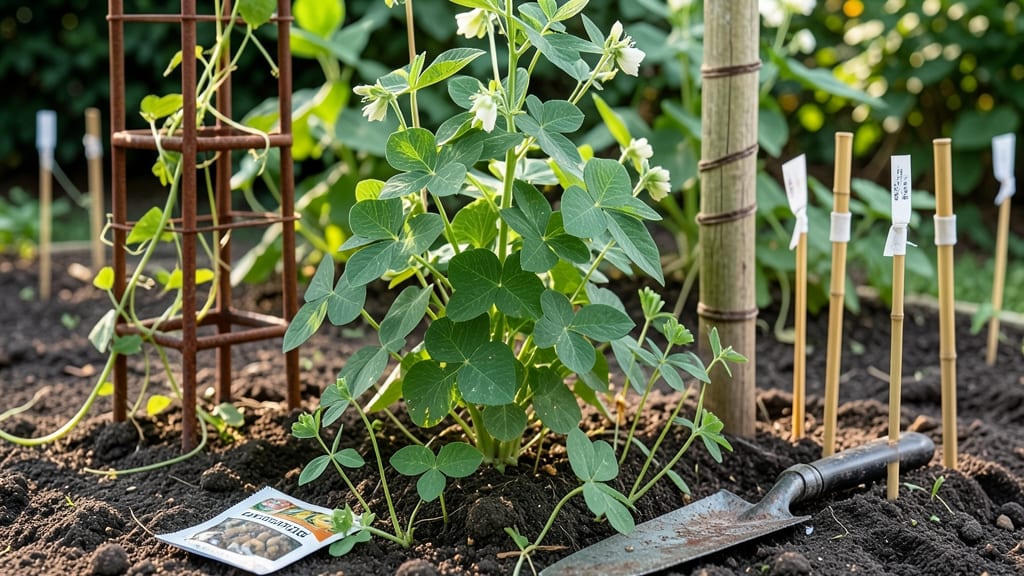
Planting peas in Mississippi at the wrong time can mean the difference between a sweet, crisp harvest and a bitter, stunted failure—especially when balancing the state’s mild winters and sudden heat spikes. These cold-hardy legumes thrive in 8a-9a zones, but their delicate balance makes timing everything.
Most gardeners in Mississippi know peas love cool weather, but did you know the best windows are actually early fall (September) and late winter (February)? That’s when temperatures align perfectly for germination and growth before summer’s relentless heat sets in.
Miss this window, and you risk tough, stringy pods or no harvest at all.
What if you want to push your harvest later into spring? The key is choosing the right varieties—cold-hardy types like Sugar Snap for early planting, or heat-tolerant Masai for a longer season.
I’ll break down exactly which varieties work best for Mississippi’s climate and how to stretch your harvest through April without sacrificing quality.
Whether you’re a first-time gardener or a seasoned pro, getting peas right in Mississippi’s unpredictable weather is all about strategy. Let’s dive into the exact planting schedule, soil prep, and companion plants that’ll give you a garden full of sweet, snappy peas—no guesswork required.
Optimal planting windows for peas in Mississippi’s climate zones
Mississippi’s USDA zones 7b-8a offer unique opportunities for growing peas year-round, but timing is critical. Unlike northern states, we can plant peas in two primary windows: early fall and late winter. The key is avoiding extreme heat (above 85°F) and late frosts, which can devastate tender seedlings.
For North Mississippi (Tupelo, zone 7b), where winters are cooler, you’ll have a slightly longer growing season. In Central Mississippi (Jackson, zone 8a), heat arrives earlier, narrowing your window.
Meanwhile, South Mississippi (Biloxi, zone 8a) gardeners must act fast to beat the spring heat. Let’s break down the best planting times for each region.
🌱 Pro Tip: Always check your local average last frost date (typically mid-November for fall and mid-January for spring). Use these as your guideposts, but be ready to adjust based on weather patterns.
| Planting Window | Best Months | USDA Zone 7b (North MS) | USDA Zone 8a (Central/South MS) |
|---|---|---|---|
| Early Fall | September - Early October | Sept 15 - Oct 5 | Sept 1 - Oct 1 |
| Late Winter | February - Early March | Feb 15 - March 10 | Feb 1 - March 5 |
| Spring (Heat-Tolerant Varieties) | Late January - Early February | Jan 20 - Feb 10 | Jan 15 - Feb 5 |
📅 Planting Deadlines: Avoid planting after March 15 in most of Mississippi—heat stress will stunt growth.
For fall planting, aim to have peas established 6-8 weeks before the first frost (typically November 15). This gives them time to mature before winter sets in.
In North Mississippi, you can push it slightly later due to cooler temperatures, but Central and South Mississippi gardeners should plant earlier to avoid heat.
If you’re growing sugar snap or snow peas, prioritize the late winter window (February). These varieties thrive in cool temperatures (50-70°F) and bolt quickly when exposed to consistent heat above 80°F.
For heat-tolerant varieties like Masai or Oregon Sugar Pod, you can experiment with early spring plantings (late January), but monitor soil temperatures closely.
⚠️ Warning: Never plant peas when soil temperatures exceed 80°F. Use a soil thermometer to check—ideal planting temps are 40-70°F. If your soil is too warm, wait until evening to plant and provide shade cloth for the first week.
Mississippi’s humidity and unpredictable weather can also affect planting success. Always choose a well-draining location and amend your soil with compost or aged manure before planting. Peas prefer slightly acidic to neutral soil (pH 6.0-7.0), so test your soil in advance to avoid nutrient deficiencies.
For North Mississippi gardeners, consider a second planting in early December for a winter harvest. The cooler temperatures will slow growth, but you’ll avoid the heat stress that plagues spring plantings. Just be prepared to mulch heavily to protect tender seedlings from freezing nights.
In South Mississippi, where heat arrives earlier, focus on fall plantings and heat-tolerant varieties. If you attempt a spring crop, use shade cloth (30-50%) to protect seedlings until they establish. Remember, peas are short-lived annuals, so timing is everything—don’t miss your window!
Finally, keep an eye on local weather forecasts and adjust your planting dates accordingly. A late frost in March or an early heatwave in February can derail your best-laid plans. When in doubt, plant early—peas are resilient and can handle light frosts once established.
How to choose between cold-hardy and heat-tolerant pea varieties
Mississippi’s unpredictable spring weather can turn your pea dreams into a bitter disappointment if you pick the wrong variety. Traditional cold-hardy peas like Sugar Snap and Wando thrive in winter but bolt quickly when temperatures rise above 75°F.
Meanwhile, heat-tolerant varieties such as Masai and Oregon Sugar Pod can handle warmer spells but may struggle with late frosts. Your choice depends on your planting window and regional microclimate.
For North Mississippi (Zone 7b), where winters are cooler, cold-hardy varieties like Sugar Ann or Lincoln are your best bet. These varieties can handle 20°F temperatures and produce sweet pods even in January or February.
In South Mississippi (Zone 8a-9a), where winters are milder, you’ll want to focus on heat-tolerant types like Masai or Tom Thumb for late winter or early spring plantings.
Here’s the key difference: Cold-hardy peas prioritize early-season sweetness and frost tolerance, while heat-tolerant peas focus on extended harvest windows and resistance to humidity stress. For example, Sugar Snap peas (cold-hardy) will give you tender pods in 60 days but may stop producing by April.
Meanwhile, Oregon Sugar Pods (heat-tolerant) can keep yielding until May or June if planted in late winter.
| Variety Type | Ideal Temp Range | Mississippi Growing Window | Flavor Profile | Key Challenge |
|---|---|---|---|---|
| Cold-Hardy (Sugar Snap, Wando) | 40°F–70°F | September–February | Sweet, crisp pods | Bolt in heat >75°F |
| Heat-Tolerant (Masai, Oregon Sugar Pod) | 50°F–85°F | February–April | Milder, fibrous pods | Struggle with frost |
| Dwarf (Tom Thumb, Little Marvel) | 45°F–75°F | September–March | Compact, early harvest | Shorter vines need support |
If you’re planting in Central Mississippi (Jackson area), consider a mixed strategy: sow cold-hardy varieties in September for a fall harvest, then switch to heat-tolerant types in February. This double-crop approach maximizes your yield and ensures fresh peas from November through May.
Just remember—soil temperature matters too. Peas won’t germinate well in cold, wet soil, so wait until the ground reaches 45°F before planting.
For container gardening in Mississippi’s heat, dwarf varieties like Tom Thumb are ideal—they mature faster and handle limited root space better. Place containers near afternoon shade to protect them from midday sun, which can scorch pods.
And if you’re in South Mississippi (Biloxi)**, where winters are mild, you can even experiment with year-round succession planting, staggering seeds every 2–3 weeks for a continuous harvest.
Pro tip: Test your soil pH before planting—peas thrive in 6.0–7.0 range. If your soil is too acidic, add lime in the fall to create the perfect environment for these nitrogen-fixing legumes.
With the right variety and timing, you’ll enjoy sweet, homegrown peas straight from your Mississippi garden! 🌱