
Size
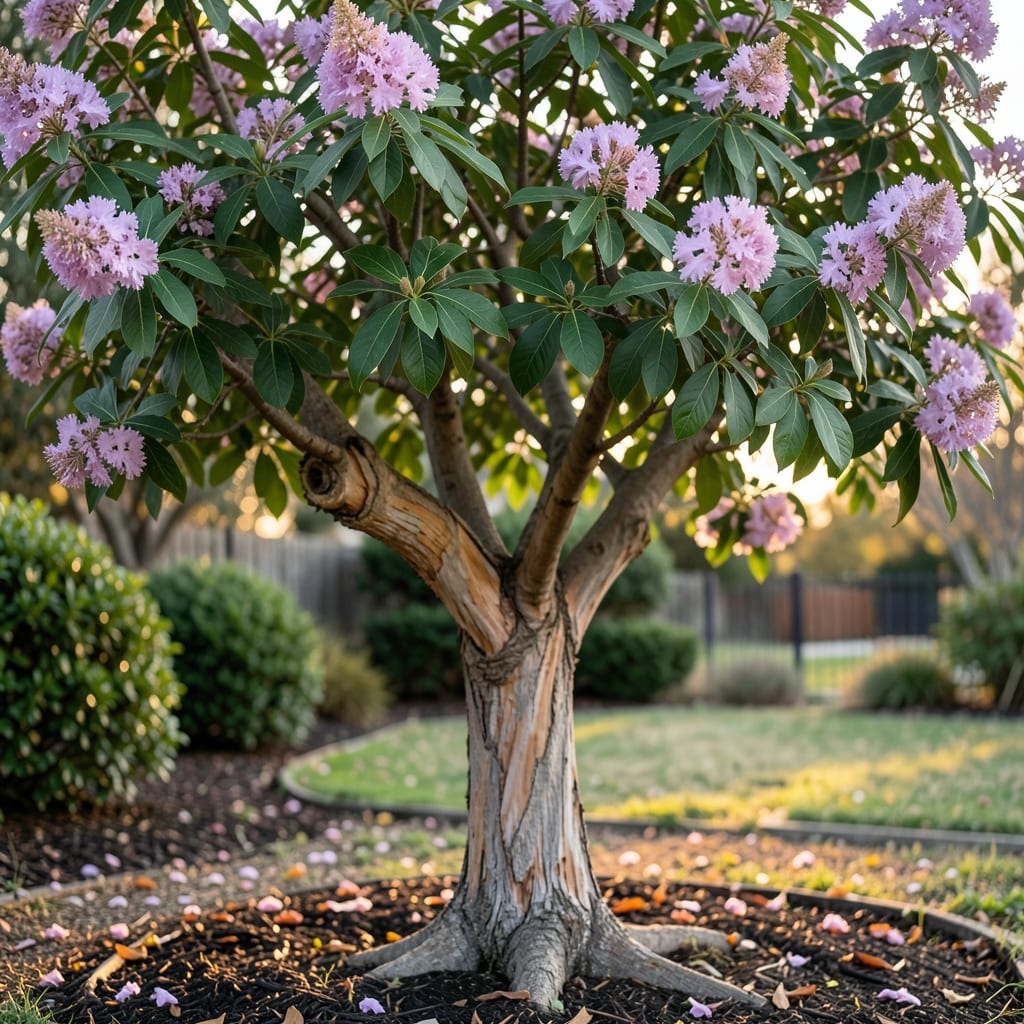
If you're wondering "crepe myrtle how tall do they grow", the answer might surprise you—these stunning 🌸 trees can range from compact shrubs to towering giants, depending entirely on the variety you choose. Whether you're planning a small backyard retreat or a grand landscape statement, knowing the mature height of your crepe myrtle is the key to avoiding future headaches (or pruning nightmares).
The smallest varieties, like 'Dwarf Natchez,' stay a manageable 6 to 12 feet, perfect for tight spaces or container gardening, while standard types like 'Arapaho' can soar to 20 to 30 feet, rivaling the height of a two-story house. But here's the catch: their growth rate accelerates after the first few years, so planting the wrong size could mean years of regret—or even legal issues if branches encroach on your neighbor's property.
What you'll discover in this guide is how to match the perfect crepe myrtle to your space, plus expert tips for controlling their height through pruning and care. We'll break down the fastest-growing varieties, the slowest, and how climate and soil play a role in their ultimate size. Ready to make an informed choice that keeps your garden looking intentional (and your lawnmower happy)?
Let's dive into the exact mature heights by variety, so you can pick a crepe myrtle that grows with your vision—not against it.

Crepe myrtle height by variety: exact mature sizes for small to large gardens
Choosing the right crepe myrtle variety starts with understanding their mature height ranges. These trees can grow anywhere from 6 feet to towering 30 feet, so picking the wrong size could mean a tree that either dwarfs your landscape or fails to make a statement. The key is matching your yard's space with the variety's growth potential.
For small gardens or container planting, dwarf varieties like 'Centennial' or 'Tonto' stay between 6-12 feet, perfect for patios or foundation plantings. Meanwhile, standard varieties such as 'Natchez' or 'Arapaho' reach 20-30 feet, making them ideal for large yards or as shade trees. Let's break down the exact sizes you can expect from popular cultivars.
🌳
| Variety | Mature Height | Growth Rate | Ideal Spacing | Best For |
|---|---|---|---|---|
| 'Centennial' (Dwarf) | 6-8 ft | Slow to moderate | 4-6 ft from structures | Containers, small gardens |
| 'Tonto' (Dwarf) | 8-12 ft | Moderate | 6-8 ft from structures | Foundation plantings |
| 'Natchez' (Standard) | 20-25 ft | Fast | 15-20 ft from structures | Large yards, shade trees |
| 'Arapaho' (Standard) | 20-30 ft | Fast | 20-25 ft from structures | Specimen trees, privacy screens |
| 'Muskogee' (Semi-Dwarf) | 12-18 ft | Moderate | 8-12 ft from structures | Medium-sized gardens |
When planning your landscape, consider not just the mature height but also the spread of each variety. For example, 'Natchez' can reach 15 feet wide, while 'Centennial' stays compact at 6 feet wide. Always check the spacing recommendations to avoid overcrowding, which can lead to poor airflow and increased disease risk.
For urban gardens where space is limited, container-growing is an option for dwarf varieties. Use large pots (at least 18 inches in diameter) with well-draining soil and ensure the container gets full sun exposure. Just remember, even dwarf varieties may outgrow their containers over time, so plan for repotting every 2-3 years.
If you're aiming for a privacy screen, consider planting multiple semi-dwarf varieties like 'Muskogee' in a row. Their 12-18 foot height and multi-trunk growth habit create a natural, dense barrier that still allows for airflow. Space them 8-10 feet apart to encourage fuller growth and reduce gaps between trunks.
For those with large properties, standard varieties like 'Arapaho' make a bold statement. Their 30-foot height provides ample shade and dramatic seasonal color changes. When planting near structures, maintain at least 20 feet of clearance to avoid future issues with roots or branches. Always check local utility guidelines if planting near power lines.
One common mistake is assuming all crepe myrtles grow at the same rate. While dwarf varieties may take 3-5 years to reach maturity, standard varieties can grow 3-5 feet per year under ideal conditions. This rapid growth means you'll see significant height increases in just a few seasons, so monitor your tree's progress and prune as needed to maintain your desired shape.
🌿
Crepe myrtle height by variety: exact mature sizes for small to large gardens
Crepe myrtles are famous for their vibrant blooms and adaptability, but their mature height can vary dramatically—from 6 feet to a towering 30 feet. Choosing the right variety ensures your tree fits your landscape without becoming a space invader. Let’s break down the most popular cultivars and their exact height ranges to help you plan.
The dwarf varieties are perfect for small yards or container gardening, while standard varieties dominate large landscapes. For example, the 'Tonto' cultivar stays compact at 6-12 feet, while the 'Natchez' variety can reach 20-30 feet. Understanding these differences saves you from planting a giant where a small tree would thrive.
| Variety | Mature Height | Growth Rate | Ideal Spacing |
|---|---|---|---|
| 'Tonto' | 6-12 ft | Slow | 6-8 ft from structures |
| 'Arapaho' | 12-18 ft | Moderate | 10-12 ft from structures |
| 'Natchez' | 20-30 ft | Fast | 15-20 ft from structures |
| 'Catawba' | 15-25 ft | Moderate | 12-15 ft from structures |
When selecting a crepe myrtle, consider not just height but also spread and growth rate. For instance, the 'Arapaho' grows at a moderate pace, making it ideal for medium-sized yards, while 'Natchez' shoots up quickly—perfect for large properties or as a focal point in open spaces.
Proper spacing is critical to avoid overcrowding. Plant dwarf varieties like 'Tonto' at least 6 feet from sidewalks or fences, while standard varieties need 15-20 feet of clearance. This ensures airflow, reduces disease risk, and allows your tree to thrive without competing for resources.
If you’re unsure which variety to choose, start with 'Tonto' for small spaces or 'Arapaho' for balanced growth. For dramatic impact, 'Natchez' delivers stunning blooms and height—but only if you have the space! Always check your local USDA hardiness zone (crepe myrtles thrive in zones 7-9) to ensure your chosen variety will flourish.
Remember, crepe myrtles are low-maintenance once established, but their height is set by genetics. Pruning can shape them, but it won’t drastically alter their mature size. Plan ahead, and your tree will reward you with years of vibrant blooms and minimal fuss! 🌸