
How To
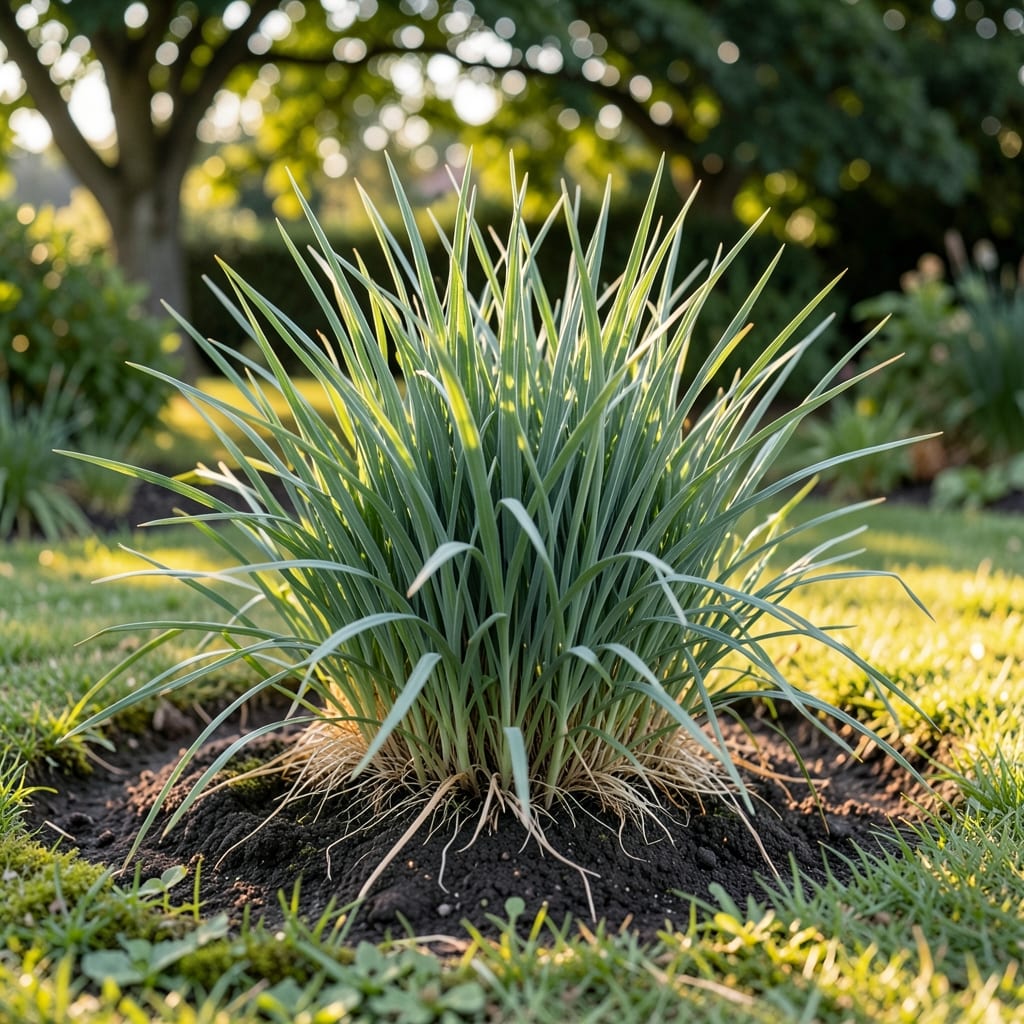
If you're planting tall fescue and wondering how fast this tall fescue grows, the answer depends on more than just time—it’s about the season, your soil, and a little patience. This cool-season grass doesn’t rush, but with the right conditions, you’ll see noticeable progress in just a few weeks.
Most homeowners notice the first signs of growth—tiny sprouts peeking through the soil—within 7 to 14 days after planting. By 30 to 45 days, you can expect blades to reach 3 inches, which is your cue to start monitoring coverage. The key is consistency: keep the soil moist and avoid heavy foot traffic during those early weeks.
While tall fescue grows at a steady pace, its speed varies by season. In spring and fall—its prime growing windows—you might see ½ to 1 inch of growth per week. Summer slows things down, but don’t worry; this grass is built to handle heat and drought better than many other types. With the right care, full coverage typically takes 3 to 4 months.
Ready to turn your lawn into a vibrant green space? I’ll walk you through the exact steps to track progress, adjust your watering schedule, and troubleshoot slow spots. Let’s get that 🌱 tall fescue thriving faster than you think!

Tall fescue growth rates by season: weekly progress explained
If you're planting tall fescue this season, knowing its growth timeline helps you set realistic expectations. Unlike fast-growing annuals, tall fescue takes patience—typically 30–45 days to establish a visible lawn. But how fast does it grow each week? The answer depends on the season, with spring and fall offering the fastest progress.
In ideal conditions, tall fescue grows about 0.5–1 inch per week once established. However, germination (the first 7–14 days) is the slowest phase, where seeds may only sprout ¼–½ inch tall before accelerating. Understanding these stages helps you adjust watering, mowing, and fertilization schedules for the best results.
🌱 Tall Fescue Growth Timeline by Season
| Stage | Spring (April–May) | Summer (June–July) | Fall (August–September) |
|---|---|---|---|
| Germination | 7–14 days (¼–½" tall) | 10–14 days (slower in heat) | 5–10 days (fastest in cool temps) |
| Establishment | 3–4 weeks (3" blades) | 4–6 weeks (slower growth) | 2–3 weeks (rapid root spread) |
| Full Coverage | 8–12 weeks (100% density) | 10–14 weeks (thinner in heat) | 6–8 weeks (best season) |
| Weekly Growth Rate | 0.75–1.25" | 0.25–0.75" (heat stress) | 1–1.5" (optimal) |
🌡️ Pro Tip: Fall planting often yields 50% faster coverage than spring due to cooler temps and less competition.
Spring is the second-best season for tall fescue growth after fall, with seedlings reaching 3-inch blades in 30–45 days under ideal conditions. The key is consistent moisture—1 inch of water per week—to prevent dormancy. In USDA Zone 6a (like much of the Midwest), expect full coverage in 8–12 weeks if planted in early spring.
Summer growth slows dramatically due to heat stress, with weekly gains dropping to 0.25–0.5 inches. If you plant in late summer, focus on shade protection and deep watering to maintain germination rates. Even in summer, tall fescue can recover if given 1–2 weeks of cooler weather.
Fall is the golden window for tall fescue, where seeds germinate in 5–10 days and grow 1–1.5 inches per week. The cooler temps reduce weed competition, and the grass establishes stronger roots before winter. Aim to plant by mid-September in most regions to maximize growth before frost.
Monitor your lawn’s progress by checking for 3-inch blades—this signals it’s ready for its first mow. Use a sharp lawnmower blade set to 3–4 inches to avoid scalping young grass. Avoid mowing until the grass reaches this height, even if it looks uneven.
Soil temperature plays a huge role in growth speed. Tall fescue germinates best when soil temps are 50–70°F. Use a soil thermometer to time planting—wait until spring soil warms to 60°F or fall soil cools to 70°F for fastest results.
For accelerated growth, overseed in late summer when existing grass is thin. This leverages the fall growth window while filling gaps. Pair overseeding with a starter fertilizer (high in phosphorus) to boost root development in the critical first 30 days.
Remember: Patience is key with tall fescue. While it grows slower than Bermuda grass, its drought tolerance and shade adaptability make it worth the wait. With the right season and care, you’ll see lush, dense coverage in just a few months.
5 Factors that speed up or slow down tall fescue growth
If you’ve planted tall fescue and noticed uneven growth, don’t worry—it’s usually one (or more) of these 5 key factors slowing things down. From sunlight exposure to soil nutrients, each plays a critical role in how fast your lawn fills in. Let’s break down what accelerates or stalls growth, so you can tweak your approach for faster, healthier results.
First, sunlight exposure is non-negotiable. Tall fescue thrives in full sun (6+ hours daily), but even partial shade (3–6 hours) can cut growth rates by 30–50%. If your lawn is in deep shade (under trees or buildings), expect slower germination and thinner blades. Test your yard’s sunlight with a sunlight tracker app—if areas get less than 3 hours of sun, consider overseeding with shade-tolerant varieties like ‘Shadow’ tall fescue.
🌿 Top 5 Growth Accelerators
- 💧 Consistent watering: 1 inch per week keeps roots deep and active.
- ☀️ Full sun exposure: 6+ hours daily maximizes photosynthesis.
- 🌡️ Optimal soil temps: 50–70°F speeds germination and root growth.
- 🌱 High-quality seeds: Certified tall fescue sprouts faster than bargain brands.
- 🌿 Proper soil pH (6.0–7.5): Acidic or alkaline soil stunts nutrient uptake.
⚠️ Warning: Overwatering or compacted soil can kill seedlings in 48 hours.
Next, soil pH and nutrients directly impact growth speed. Tall fescue prefers a pH of 6.0–7.5—test your soil with a home test kit or send a sample to your local extension office. If your soil is too acidic (below 6.0), add lime; if it’s too alkaline (above 7.5), mix in sulfur or peat moss. Nutrient deficiencies (like low phosphorus) can delay germination by up to 2 weeks, so apply a starter fertilizer (high in P) at planting.
Watering frequency is another common mistake. Tall fescue needs 1 inch of water per week, but daily light watering encourages shallow roots. Instead, water deeply 2–3 times per week—early morning is best to reduce evaporation and fungal risks. During heatwaves (above 90°F), increase to 1.5 inches weekly to prevent dormancy. A simple trick: place a tuna can in your lawn—when the water level drops to 1 inch, it’s time to water again.
Temperature ranges also dictate growth speed. Tall fescue grows best in 50–75°F soil temps, which aligns with spring and fall. If you plant in summer (above 80°F), germination slows to a crawl—seeds may take 2–3 weeks just to sprout. Use shade cloth or mulch to keep soil cooler. Conversely, fall planting (after Labor Day) often yields 50% faster coverage because cooler temps reduce weed competition and stress.
Finally, seed quality makes a surprising difference. Cheap, old, or low-germination seeds can take 30–50% longer to establish. Always buy certified tall fescue seed with a 90%+ germination rate—brands like Pennington or Scotts are reliable choices. Store seeds in a cool, dry place (like your fridge) to maintain viability. If your seeds are older than 1 year, soak them in lukewarm water for 24 hours before planting to boost germination.
Pro tip: Combine these factors for maximum growth. For example, plant in late summer, use high-quality seed, water deeply 3x weekly, and apply a starter fertilizer. With this approach, you’ll see 3-inch blades in 30 days—not the 45+ days typical of neglected lawns. Keep an eye on your progress, and adjust as needed!