
Light Requirements
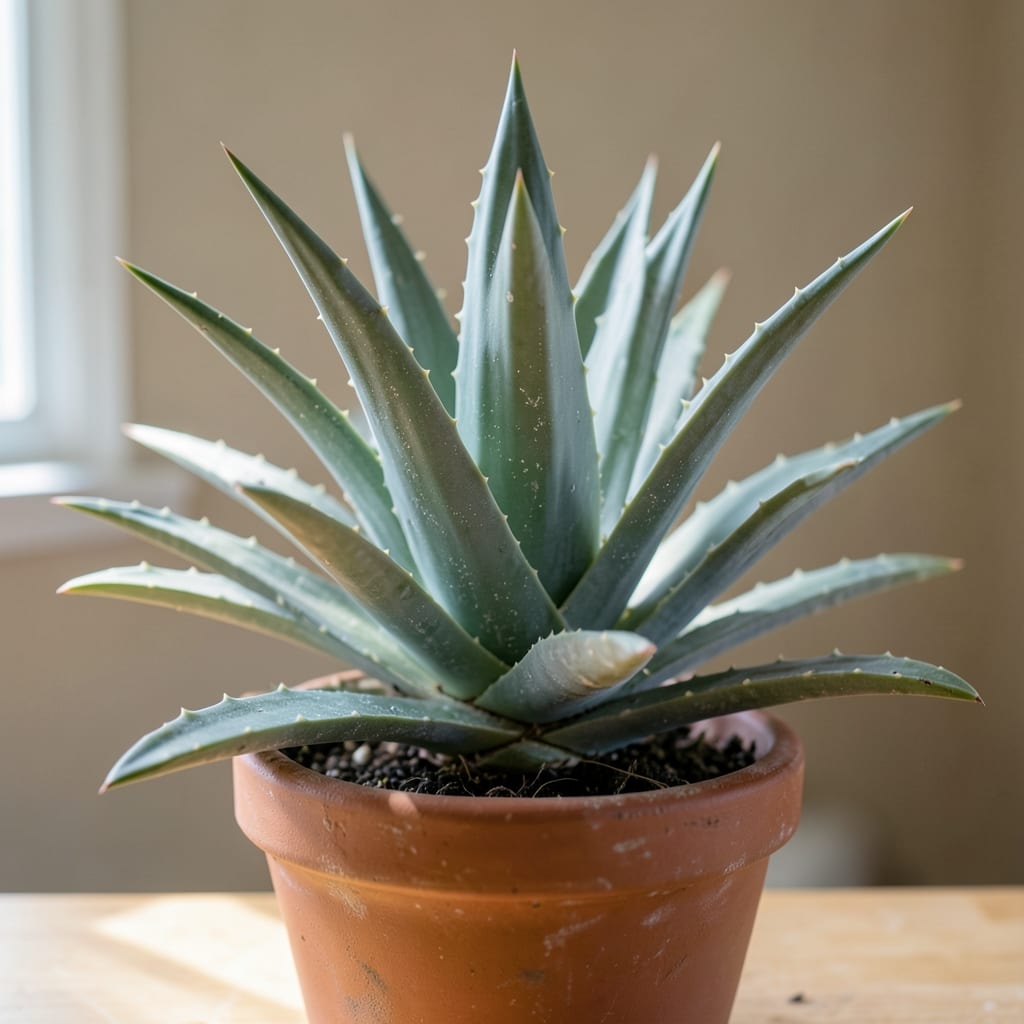
Ideal light requirements for aloe vera growth and health
Aloe vera thrives under bright indirect sunlight, but it can also handle some direct sun exposure. The key is finding that sweet spot where your plant gets enough light to stay vibrant without getting sunburned. As a succulent, aloe plants are adapted to arid conditions, so they prefer 6 to 8 hours of sunlight daily. This makes them perfect for sunny windowsills or outdoor garden spots.
Indoors, place your aloe near a south-facing window where it can bask in natural light. If you notice the leaves stretching toward the light, it’s a sign your plant needs more illumination. Outdoors, aloe plants love full sun exposure, especially in warmer climates where they can handle the intensity without issues. However, in areas with harsh afternoon sun, some afternoon shade can prevent leaf scorch.
Understanding the light spectrum is crucial. Aloe vera needs a balance of direct and indirect light. Too little light leads to weak, leggy growth, while too much direct sun can cause brown patches or crispy edges. The goal is to mimic their natural habitat in semi-arid regions, where they receive plenty of sunlight but with some protection from the harshest rays.
| Light Condition | Daily Sunlight Needs | Ideal Location | Signs of Correct Light |
|---|---|---|---|
| Bright Indirect Sunlight | 4-6 hours | East or West Window | Thick, green leaves |
| Direct Sunlight | 6-8 hours | South Window or Outdoor | Uniform color, no burns |
| Low Light | Less than 4 hours | North Window or Shady Room | Leggy growth, pale leaves |
Seasonal adjustments are key, especially if you’re growing aloe indoors. During summer months, when sunlight is intense, you might need to move your plant slightly away from the window to avoid leaf burn. In contrast, during winter, when natural light is scarce, supplement with a grow light to maintain the plant’s health. A simple LED grow light placed 6-12 inches above the plant can work wonders for keeping your aloe thriving year-round.
If you’re growing aloe outdoors, consider its hardiness zone. In warmer climates like zones 8-11, aloe can thrive in full sun all year. However, in cooler zones like 6-7, it’s best to bring potted aloe indoors during winter or provide a protective covering to shield it from frost. Even a thin layer of frost can damage the leaves, so always monitor the weather.
Another critical factor is the angle of the light. Aloe plants benefit from light that hits them from multiple angles. If your plant is only getting light from one direction, it may start leaning or growing unevenly. To prevent this, rotate your aloe plant every few weeks. This simple step ensures that all sides of the plant receive equal exposure, promoting balanced growth and a fuller appearance.
For those living in apartments or homes with limited natural light, grow lights are a game-changer. Look for full-spectrum LED grow lights that mimic natural sunlight. Position the light about 6-12 inches above the plant and keep it on for 12-14 hours per day to simulate a full day of sunlight. This setup is especially useful during the shorter days of winter when natural light is insufficient.
Finally, pay attention to the quality of the light, not just the quantity. Artificial lights should provide a spectrum that includes both blue and red wavelengths, which are essential for photosynthesis and growth. If you notice your aloe plant looking weak or stretched, even with adequate light hours, it might be missing the right spectrum. Upgrading to a high-quality grow light can make a significant difference in your plant’s overall health.
By tailoring the light exposure to your aloe’s needs, you’ll set it up for success. Whether indoors or outdoors, the right balance of light ensures your aloe stays vibrant, healthy, and ready to thrive for years to come. 🌵
Ideal light requirements for aloe vera growth and health
Aloe vera thrives under bright indirect sunlight to direct sun exposure, making it one of the most adaptable succulents for indoor and outdoor spaces. Unlike many houseplants, aloe actually craves light—too little causes stretched, weak growth, while too much can scorch its leaves. The key is finding that sweet spot where your plant gets plenty of light without burning.
Outdoors, aloe plants love 6+ hours of sunlight daily, especially in USDA zones 8-11 where they can bask in full sun. If you're growing aloe in cooler climates (zones 6-7), opt for morning sun and afternoon shade to prevent leaf damage. Indoors, a south-facing window is ideal, but east or west-facing spots work too—just avoid dim, north-facing corners.
| Light Condition | Daily Sunlight Needs | Best For |
|---|---|---|
| Bright Indirect Sun | 4-6 hours | Indoor aloe near windows |
| Direct Sun | 6+ hours | Outdoor aloe in warm climates |
| Partial Shade | 2-4 hours | Indoor aloe in low-light areas |
Seasonal adjustments are crucial. In summer months, aloe can handle full sun outdoors, but if you notice brown patches, move it to partial shade for a few hours. During winter, when sunlight is weaker, supplement with a grow light (12-14 hours/day) to maintain its health. Even indoors, aloe will stretch toward light sources, so rotate your pot weekly to ensure even growth.
One common misconception is that aloe needs direct sun all day. While it tolerates full sun, intense afternoon rays (especially in hot climates) can cause leaf burn. Instead, aim for gentle morning sun paired with filtered afternoon light. If your aloe starts looking pale or translucent, it’s begging for more light—try moving it closer to a window or adding a reflective surface (like a white wall) to bounce extra light its way.
For container growers, terracotta pots help regulate soil temperature, while clear glass containers allow light to penetrate deeper. If your aloe is in a north-facing window and struggling, consider upgrading to a full-spectrum LED grow light (10,000-20,000 Kelvin) for 8-10 hours dailyconsistency is key—aloe plants adapt slowly to light changes, so make adjustments gradually over 1-2 weeks.
Pro tip: Observe your aloe’s leaf color. Healthy leaves are vibrant green and thick, while yellow or red hues signal stress. If your plant’s leaves start curling or developing crispy edges, it’s either overheating or dehydrating from too much direct sun. A simple fix is to move it to a shadier spot and water deeply once to rehydrate the roots.