
Companion Plants
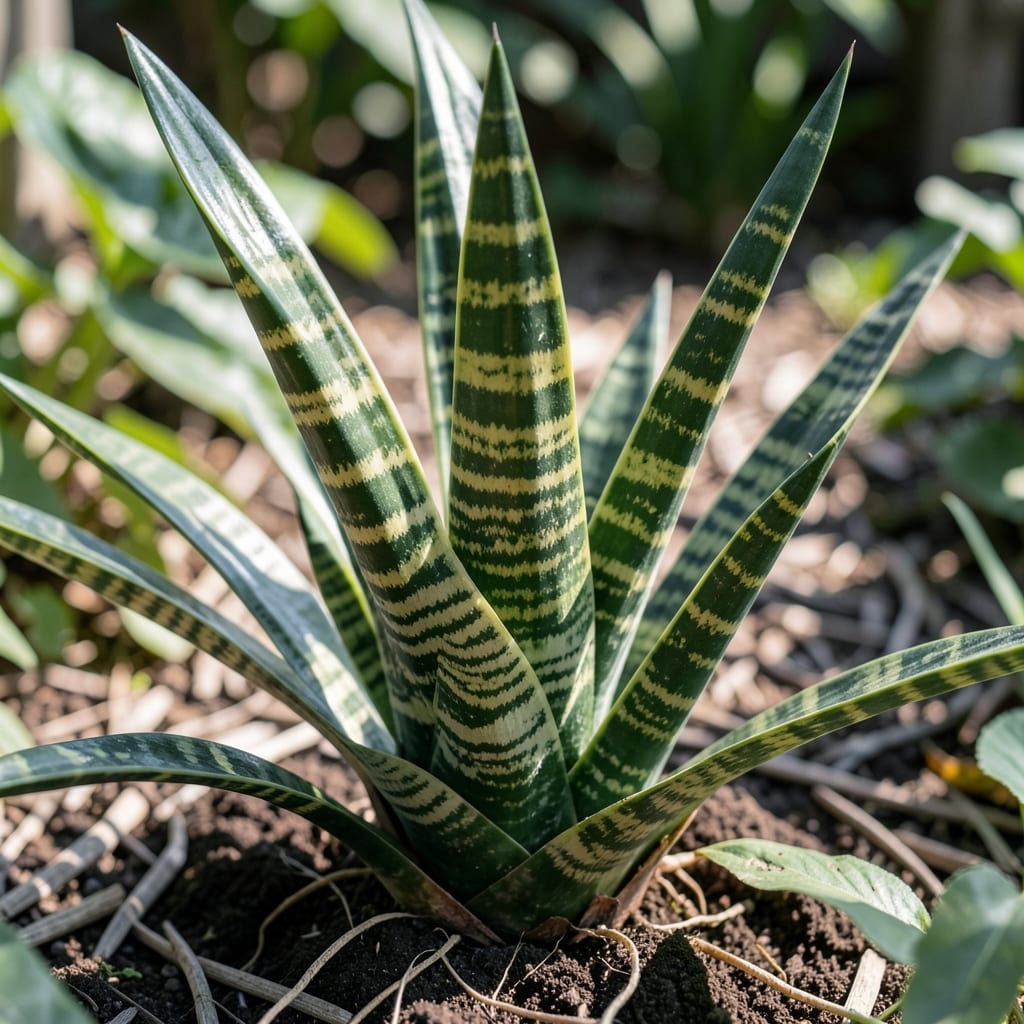
If you're wondering how much light does a snake plant require, the answer might surprise you—this resilient 🌱 thrives in conditions where other plants would struggle. Unlike fussy houseplants, snake plants are masters of adaptability, making them perfect for busy homes or offices with less-than-ideal lighting.
Most people assume snake plants need bright, direct sunlight, but the truth is they prefer low to bright indirect light. This means they can happily live in a dim corner or near a north-facing window, where harsh afternoon rays won’t scorch their leaves. The key is finding that sweet spot where they get just enough light to grow without stress.
In this guide, I’ll break down exactly how much light your snake plant needs to stay healthy—whether you’re dealing with a dark apartment, a sunlit living room, or even artificial lighting. You’ll learn how to spot signs of too much or too little light and how to adjust your plant’s placement for the best results.
Ready to give your snake plant the perfect lighting conditions? Let’s dive in and turn your plant care worries into a thriving, low-maintenance green success story.

Ideal light requirements for snake plants: low to bright indirect sunlight explained
If you’ve ever wondered why your snake plant (Sansevieria) seems to thrive in dim corners while other plants wilt, the answer lies in its light adaptability. Unlike sun-loving plants, snake plants are low-light champions, making them perfect for offices, bathrooms, or rooms with minimal natural light. But how much light does a snake plant really need? The answer isn’t one-size-fits-all—it depends on the light intensity and window exposure in your home.
The key to happy snake plants is bright indirect light, which mimics their natural understory habitat in African savannas. While they can survive in low-light conditions, their growth slows dramatically, and their leaves may stretch unnaturally—a condition called etiolation. On the flip side, direct sunlight can scorch their leaves, turning them brown or crispy. Balancing these extremes is the secret to keeping your snake plant lush and healthy.
Here’s the breakdown: snake plants thrive in 2-6 hours of indirect light daily. This could mean placing them 2-3 feet from a north-facing window (the gentlest light) or under artificial grow lights if natural light is scarce. South-facing windows can work too, but only if the plant is filtered through a sheer curtain to diffuse harsh rays. East or west-facing windows are ideal for moderate indirect light, especially during morning or late afternoon hours.
| Light Condition | Description | Best Placement | Growth Impact |
|---|---|---|---|
| Low Light | Fewer than 2 hours of indirect light daily (e.g., dim corners, north-facing windows with obstructions). | 2-4 feet from a north window or in a room with no direct sunlight. | Slow growth, elongated leaves, pale color. |
| Medium Light | 2-4 hours of bright indirect light (e.g., east or west windows, filtered south light). | 1-3 feet from an east/west window or 4 feet from a north window. | Healthy growth, upright leaves, vibrant green. |
| Bright Indirect Light | 4-6 hours of indirect light (e.g., south-facing window with sheer curtain). | 2 feet from a south window with diffusion or under a grow light. | Fastest growth, thick leaves, deep green color. |
| Direct Sunlight | More than 6 hours of direct sun or harsh afternoon rays. | Avoid south-facing windows without curtains or outdoor exposure. | Brown tips, crispy edges, sunburn. |
Pro tip: If your home has limited natural light, rotate your snake plant quarter-turns every 2-3 weeks to ensure even growth. This prevents lopsided development and helps the plant reach its full potential. For example, a snake plant near a west-facing window might lean toward the light—rotating it keeps it upright and balanced.
Seasonal changes also affect light exposure. During winter months, shorter daylight hours mean your snake plant may need supplemental grow lights to maintain its health. Conversely, in summer, even indirect light can become more intense, so monitor your plant for signs of light stress like yellowing or brown patches. Adjusting the distance from the window or adding a sheer curtain can help.
Another common misconception is that snake plants can thrive in complete darkness. While they’re more resilient than most plants, total darkness (like a closet) will eventually weaken them. Aim for at least a few hours of indirect light daily—even artificial light from a lamp or LED bulb can make a difference. For instance, placing your snake plant 6 inches from a 60-watt bulb for 12 hours a day mimics natural light and supports growth.
For those with south-facing windows, the challenge is avoiding overlighting. If your snake plant develops brown tips or white spots, it’s a sign of too much direct sun. Move it further back from the window or add a light-colored curtain to scatter the rays. Remember, snake plants are succulent-like and store water in their leaves, so they’re more forgiving than most—but even they can’t handle harsh conditions indefinitely.
Snake plants are famously resilient, but even they show clear signs when their light needs aren’t met. If your plant’s leaves are stretching upward or turning pale, it’s craving more bright indirect light. This "etiolation" happens when the plant reaches for light sources, often near windows or grow lights. On the flip side, brown tips or crispy edges on leaves signal too much direct sunlight. Unlike sun-loving plants, snake plants can scorch easily when exposed to harsh afternoon rays. Look for white or yellow patches on leaves—these are classic sunburn signs.Signs your snake plant isn’t getting the right light (and how to fix it)
For underlit plants, move them closer to a window (but not in direct sun). A north-facing window is ideal—it provides gentle, consistent light without the risk of scorching. If all your windows face south or west, consider a sheer curtain to diffuse harsh rays.
If your snake plant is in a low-light room (like a bathroom or basement), rotate its pot quarter-turns every few weeks. This ensures all sides get equal exposure and prevents lopsided growth. Even artificial grow lights can help—just keep them 12-18 inches away.
Seasonal changes also affect light needs. In winter months, when daylight is shorter, supplement with a 12-hour grow light cycle to mimic natural light. Conversely, in summer heat, move your plant further from windows to avoid heat stress.
Pro tip: Check leaf color regularly. Healthy snake plant leaves are deep green with slight variegation. If they turn yellow or brown, adjust light immediately. With the right balance, your snake plant will thrive—even in less-than-perfect lighting.