
Light Requirements
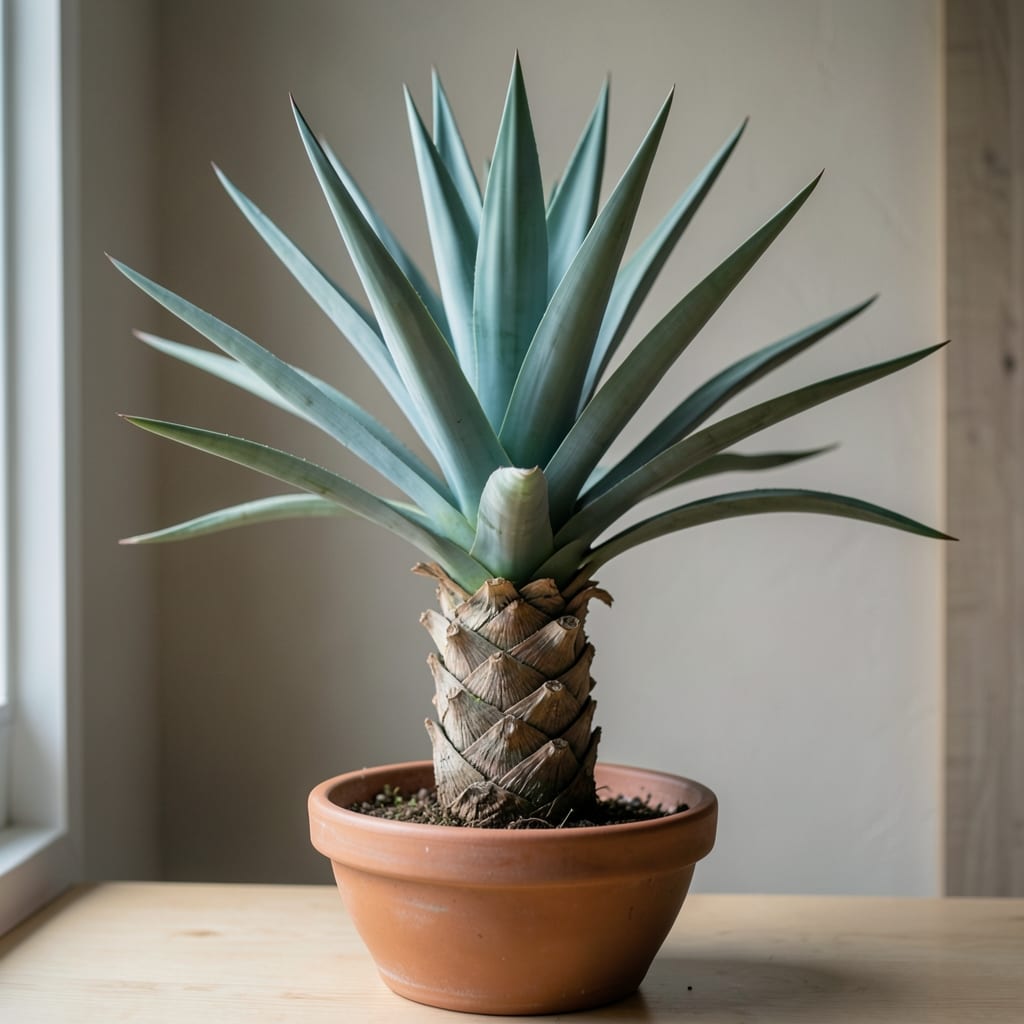
If you’ve ever wondered how much light does a yucca plant need to stay happy—yellowing leaves or crispy edges might be your answer. These tough, drought-loving plants actually need bright, direct sunlight to stay vibrant, but too much can scorch them. The sweet spot? At least 6 hours of full sun daily, though they handle more if acclimated properly.
Here’s the twist: yuccas thrive in hot, dry climates like USDA Zone 6a, but they’re also adaptable. In shadier spots, they’ll stretch and weaken, while too much harsh afternoon sun can leave them looking fried. I’ll show you how to strike that perfect balance, whether you’re growing yours outdoors or coaxing it to thrive indoors.
You’ll learn how to spot light-related stress (like brown tips or leggy growth) and fix it fast. Plus, I’ll break down the best window spots for indoor yuccas and how to adjust care based on your climate—because not all sunlight is created equal.
Let’s get your yucca plant 🌵 glowing again with the right light strategy—no guesswork, just results.
 Best Window Placement
Yucca light requirements: ideal sunlight exposure for healthy growth
Yucca plants are sun worshippers at heart, craving bright, direct sunlight to maintain their iconic sharp-edged leaves and striking architectural forms. While they can tolerate some flexibility, understanding their exact light needs is crucial to avoid common problems like leaf scorch or stunted growth. Most yucca varieties—including Yucca elephantipes and Yucca rostrata—thrive in full sun, which means at least 6 to 8 hours of direct sunlight per day.
In hot, arid climates like the desert Southwest, yuccas naturally bask in intense sunlight with little issue. However, in temperate or humid regions, you’ll need to balance their sun exposure to prevent heat stress or fungal issues. For example, a yucca planted in Zone 5 might need afternoon shade in summer, while one in Zone 9 can handle unfiltered sun year-round.
Here’s the golden rule: Morning sun is ideal, while afternoon sun—especially in peak summer—can sometimes cause leaf burn if the plant isn’t acclimated. If you notice brown, crispy edges on leaves, it’s a sign of too much direct sun. Conversely, leggy growth or pale, stretched leaves mean your yucca isn’t getting enough light.
🌵
| Yucca Variety | Ideal Sunlight | Tolerance for Shade | Signs of Stress |
|---|---|---|---|
| Yucca elephantipes (Spineless Yucca) | Full sun (6-8+ hours) | Moderate (can handle 4 hours) | Brown leaf tips (too much sun), leggy growth (too little) |
| Yucca rostrata (Beaked Yucca) | Full sun (8+ hours) | Low (avoid deep shade) | Yellowing leaves (underlight), crispy edges (overlight) |
| Yucca gloriosa (Adam’s Needle) | Full sun to partial shade (5-6 hours) | High (can adapt to 3 hours) | Floppy stems (too little light), bleached leaves (too much) |
| Yucca filamentosa (Adam’s Needle) | Full sun (6-8 hours) | Moderate (can handle 4 hours) | Slow growth (underlight), leaf burn (overlight) |
If you’re growing yuccas in containers, they’ll need more frequent light adjustments since pots can overheat in direct sun. Rotate your pots every few weeks to ensure even growth, and use lightweight, breathable containers to prevent root stress. For indoor yuccas, place them near a south-facing window where they can receive 4-6 hours of direct light daily. If natural light is limited, supplement with a grow light for 12-14 hours per day to mimic outdoor conditions.
In humid climates, like those in the Southeast, yuccas may benefit from dappled shade during the hottest part of the day (12 PM to 4 PM) to prevent leaf scorch. Look for mottled brown patches on leaves as a warning sign—this is your cue to move the plant to a slightly shadier spot or provide afternoon shade with a sheer curtain or lightweight shade cloth.
For outdoor yuccas, consider their mature size when choosing a planting location. Larger varieties like Yucca brevifolia (Joshua Tree) need wide-open spaces with unobstructed sunlight, while smaller types like Yucca smalliana can thrive in partial sun with morning light and afternoon shade. Always acclimate new plants gradually to full sun by gradually increasing exposure over 1-2 weeks to avoid sun shock.
One common misconception is that all yuccas love scorching sun. While they’re drought-tolerant, intense afternoon sun—especially in high-humidity areas—can lead to leaf burn or fungal infections. If you notice yellowing between leaf veins, it’s often a sign of overwatering combined with too much sun. In
Yucca light requirements: ideal sunlight exposure for healthy growth
Yucca plants thrive in full sun, but their exact needs depend on your climate and the specific variety. Most yuccas demand at least 6 hours of direct sunlight daily, with some desert varieties like Yucca brevifolia handling up to 10+ hours of intense light. The key is balancing sun exposure to prevent both leaf scorch and etiolation (stretched, weak growth from insufficient light).
In temperate climates, morning sun paired with afternoon shade works best, while desert regions can support full sun all day. For indoor yuccas, place them near south-facing windows where they’ll receive the most consistent light. If your home lacks natural light, supplement with grow lights for 12-14 hours daily.
Here’s how to identify the perfect spot: Observe your yucca’s leaves. If they’re dark green and upright, it’s getting ideal light. Pale or yellowing leaves signal too much sun, while long, leggy stems mean it’s not getting enough. Adjust gradually—sudden light changes can shock the plant.
| Light Condition | Daily Sunlight | Signs of Healthy Growth | Best For |
|---|---|---|---|
| Full Sun | 6+ hours | Dark green, upright leaves | Outdoor desert climates |
| Partial Sun | 3-6 hours | Medium green, compact leaves | Temperate climates, indoor spots |
| Low Light | <2 hours | Pale, stretched leaves | Avoid—use grow lights |
For outdoor yuccas, position them where they’ll receive morning sun and afternoon shade in hotter months. In USDA Zone 6a or colder, they’ll tolerate partial shade in winter but still need at least 4 hours of sun to thrive. If you’re in a humid climate, increase airflow around the plant to prevent fungal issues from excess moisture combined with bright light.
Pro tip: Rotate your yucca’s pot every few weeks to ensure even light exposure on all sides. This prevents one-sided growth and keeps the plant symmetrical and sturdy. If you notice brown tips or crispy edges, it’s a sign of too much direct sun—move it to a slightly shadier spot or provide afternoon shade with a lightweight shade cloth.
Remember, yuccas are drought-tolerant, but their light needs are non-negotiable. Once you nail the right balance, you’ll see bold, healthy foliage and minimal maintenance—just the reward you deserve for a happy plant! 🌵