
Plants
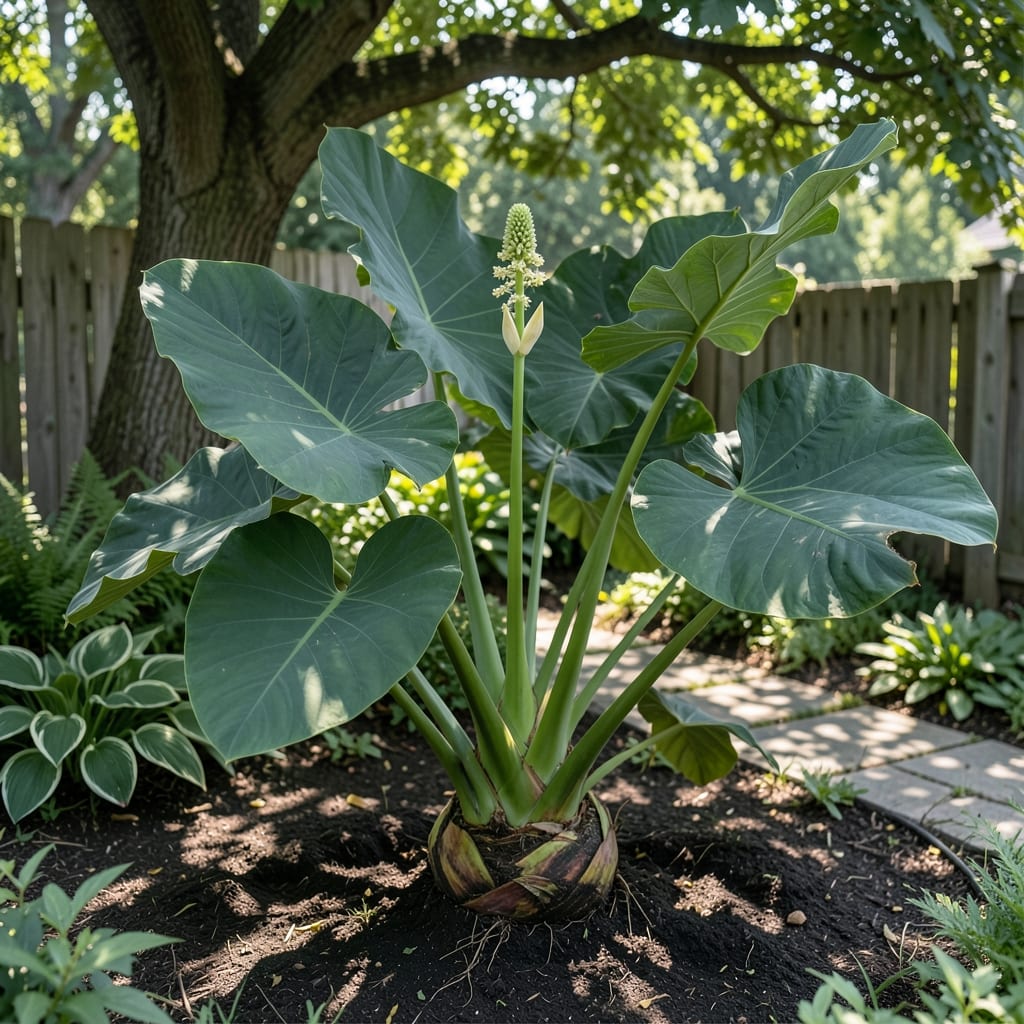
Ideal sunlight spectrum for elephant ear plants: bright indirect light vs. partial shade
Your elephant ear plant (Colocasia or Alocasia) thrives in bright indirect light, mimicking its tropical origins. Think of it like a sunbather who loves warmth but avoids harsh midday rays. Too little light leads to leggy growth and pale leaves, while too much causes leaf scorch or crispy edges. The sweet spot? 6+ hours of filtered sunlight daily, especially morning sun paired with afternoon shade.
Start by observing your plant’s foliage color. Healthy leaves should be deep green or vibrant with rich patterns. If they’re turning yellow or brown, it’s a cry for help—either more shade (if burned) or more light (if stretching). I’ve seen elephant ears in my own garden wilt under hot afternoon sun, so I now use sheer curtains or move them to a dappled shade spot.
For outdoor plants, place them where they’ll get morning sun and afternoon shade, like under a large tree canopy or near a north-facing wall. In containers, rotate the pot quarter-turns weekly to ensure even light exposure. This prevents one-sided growth and keeps those dramatic leaves symmetrical.
| Light Condition | Ideal Hours | Leaf Health Indicators | Best For |
|---|---|---|---|
| Bright Indirect Light | 6–8 hours | Deep green, glossy, vibrant patterns | Indoor near east/west windows |
| Partial Shade | 4–6 hours | Healthy green, slight dullness | Outdoor under trees |
| Full Sun (Morning Only) | 3–4 hours | Bright green, crisp edges (if overdone) | South-facing patios (with afternoon shade) |
| Low Light | <2 hours | Pale, leggy, sparse leaves | North-facing windows (avoid) |
🌿 Pro Tip: Use a light meter or observe shadows—if your plant gets harsher light than a dappled forest floor, adjust!
Regional differences matter! In hot climates (Zones 8–11), provide afternoon shade to prevent leaf scorch. In cooler zones (6–7), extend morning sun to 6–8 hours for robust growth. I’ve grown elephant ears in Zone 7 by placing them near a west-facing window in winter, then moving them outdoors in spring for gradual sun exposure.
Watch for seasonal changes. In summer, your plant may need more shade as the sun intensifies. In winter, supplement with a grow light if natural light drops below 4 hours daily. I use a 10W LED grow bulb for 12 hours/day in my indoor setup, and it keeps my Alocasia thriving all year.
If your elephant ear develops brown patches or crispy edges, it’s getting too much direct sun. Move it further back or add a sheer curtain. For yellowing leaves, it’s likely underwatered or overwatered, but low light can also cause this. Check the soil moisture first—it should feel damp but not soggy.
For container growers, choose pots with light-colored surfaces to reflect extra heat. Dark pots absorb sunlight and can raise soil temps too high. I use terracotta pots for my elephant ears because they breathe better and help regulate moisture. Pair this with well-draining soil mixed with perlite to prevent root rot.
Don’t forget to rotate your plant every 2–3 weeks for even growth. I learned this the hard way when my Colocasia leaned toward the sunlight like a sunflower. Now, I set a weekly reminder to turn the pot 1/4 turn
Ideal sunlight spectrum for elephant ear plants: bright indirect light vs. partial shade
Elephant ear plants—whether Colocasia or Alocasia varieties—thrive in bright indirect light, mimicking their tropical origins. Too much direct sun can scorch their delicate leaves, while too little light dulls their stunning foliage colors. The key is finding that sweet spot where they get 4-6 hours of filtered sunlight daily, especially in morning sun with afternoon shade.
Think of your elephant ear’s ideal spot as a dappled forest floor, where sunlight filters through leaves but never beats down harshly. In gardens, this often means placing them under tree canopies or near east-facing windows where morning rays are gentle. Avoid south- or west-facing windows, where afternoon sun can turn leaves crispy and brown.
🌿
| Light Condition | Description | Leaf Health Indicators |
|---|---|---|
| Bright Indirect Light | Morning sun + filtered afternoon light (e.g., east window, under trees) | Vibrant colors, large leaves, no burns |
| Partial Shade | 2-4 hours direct sun (e.g., dappled shade, north window) | Healthy but smaller leaves, muted colors |
| Full Sun | 6+ hours direct sun (e.g., south/west exposure) | Brown leaf edges, crispy texture, stunted growth |
| Low Light | <2 hours light (e.g., deep shade, north-facing basement) | Pale leaves, leggy stems, slow growth |
If your elephant ear’s leaves start showing yellow or brown patches, it’s a cry for help. Brown edges? Too much sun—move it to a shadier spot immediately. Pale, stretched-out leaves? Not enough light—gradually introduce more brightness over a week to avoid shocking the plant. Pro tip: Rotate your plant quarter-turns weekly to ensure even light exposure on all sides.
For outdoor gardens, watch your local climate. In hot, dry regions, provide afternoon shade with a lightweight shade cloth (30-50% coverage). In cooler zones, they can handle more direct sun, especially in morning hours. Always prioritize consistency—elephant ears hate sudden light changes.
🌡️
Remember, elephant ears are drama queens about light. Give them the right balance, and they’ll reward you with bold, glossy leaves that steal the show in any garden. Start by observing your plant’s current location—if the leaves are happy, leave well enough alone! If not, adjust gradually and watch them thrive.