
How To
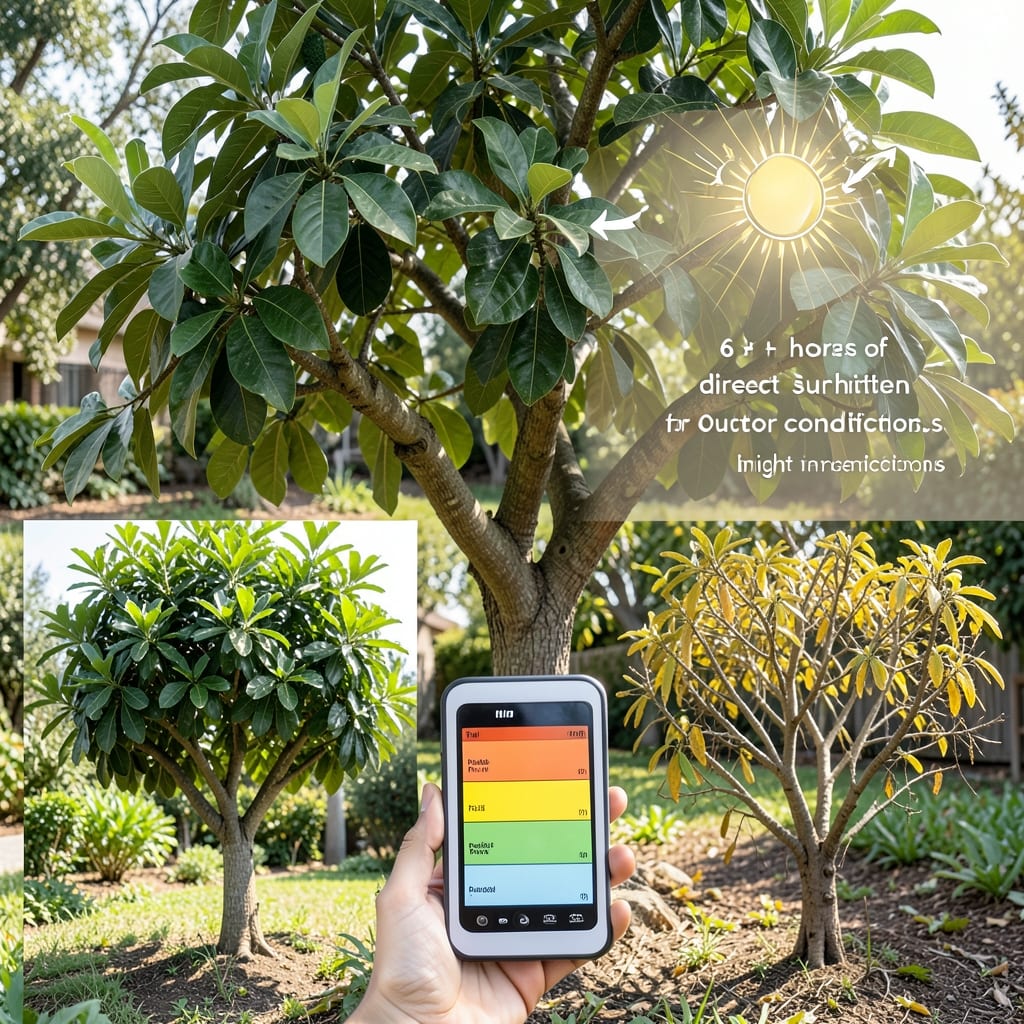
If you’re wondering how much light does an avocado plant need, the answer might be simpler than you think—it’s all about finding the right balance. Too much direct sun can scorch delicate leaves, while too little leaves your plant stretching weakly toward any available glow. Finding that perfect balance isn’t just about placing it by a window; it’s about understanding how much light avocado plants truly need to grow strong and healthy.
Avocado plants crave bright, indirect sunlight, but many growers accidentally give them either too much harsh exposure or not enough to fuel proper growth. The key is replicating their natural habitat, whether you’re growing them indoors near a south-facing window or outdoors in a sheltered spot. I’ll show you exactly how to create the ideal conditions, so your plant stops struggling and starts thriving.
You’ll discover the optimal light duration for seedlings versus mature trees, how to spot signs of light stress (like leggy growth or brown spots), and even when grow lights become a game-changer. No more guessing—just science-backed tips to keep your avocado plant happy and productive year-round.
Ready to transform your plant’s future? Let’s dive into the light requirements that will make all the difference in your avocado’s health and growth potential.

Optimal light requirements for avocado plants: bright indirect sunlight explained
Avocado plants (Persea americana) thrive under bright indirect sunlight, but their light needs change dramatically from seedling to mature tree. Too much direct sun causes leaf burn, while insufficient light leads to leggy, weak growth. Understanding these stages is critical for keeping your plant healthy and productive.
Seedlings require 4-6 hours of bright indirect light daily, while mature trees need 6-8 hours of direct sunlight—though they tolerate partial shade better than full shade. The key is replicating their natural tropical habitat where they grow under dappled sunlight from the canopy.
Here’s how their light needs break down by growth stage, including the photosynthesis efficiency that determines fruit production. Avocados are C3 plants, meaning they perform best with consistent, moderate light rather than intense midday sun.
| Growth Stage | Light Requirement | Daily Duration | Signs of Stress | Photosynthesis Note |
|---|---|---|---|---|
| Seedlings (0-2 years) | Bright indirect light | 4-6 hours | Yellowing leaves, stretched stems | Low efficiency; prioritize leaf development |
| Young Trees (2-5 years) | Partial sun to partial shade | 6-8 hours | Brown leaf tips, slow growth | Moderate efficiency; supports trunk thickening |
| Mature Trees (5+ years) | Full sun with afternoon shade | 8+ hours (with protection) | Scorched leaves, fruit drop | High efficiency; maximizes fruit production |
Mature avocado trees in USDA Zone 10 or warmer can handle full afternoon sun, but those in cooler zones (like Zone 9) need morning sun and afternoon shade to prevent heat stress. The south-facing window is ideal for indoor avocados, but avoid placing them in direct western sunlight, which intensifies during summer.
Watch for leaf discoloration patterns: Yellowing between veins signals too much direct sun, while pale, sparse leaves indicate insufficient light. Rotate your plant quarter-turn weekly to ensure even growth and prevent lopsided development.
Avocado trees also benefit from humidity levels above 50%, which complements their light needs. In dry climates, place a pebble tray with water nearby or use a humidifier to mimic tropical conditions. This helps the plant absorb light more efficiently.
For container-grown avocados, ensure the pot has drainage holes and use a well-draining cactus/succulent mix. Overwatering combined with poor light can lead to root rot, which stunts growth and reduces light absorption. Always let the top 1-2 inches of soil dry between waterings.
In winter months, avocado plants enter a dormant phase and require slightly less light (4-5 hours daily). Reduce watering and move them to a cooler location (60-65°F) to conserve energy. This mimics their natural seasonal slowdown in tropical climates.
If you notice new growth reaching toward the light source, it’s a clear sign your plant needs more brightness. Supplement with a grow light (12-14 hours/day) if natural light is insufficient. LED grow lights with a 5000-6500K color temperature are ideal for avocados.
Remember: Avocado trees are slow growers, especially when young. Patience and consistent light exposure are key to developing a strong root system and vigorous canopy that can eventually support fruit production. 🥑
Optimal light requirements for avocado plants: bright indirect sunlight explained
Avocado plants thrive on bright indirect sunlight, mimicking their natural understory habitat where they receive filtered light through canopy leaves. This means they need plenty of light—but not the harsh, direct rays that can scorch their delicate foliage. In their native tropical environments, avocado trees grow under partial shade, so replicating this balance is key to preventing leaf burn while ensuring robust growth.
For seedlings and young plants, aim for 4-6 hours of bright indirect light daily. Mature avocado trees, however, can handle up to 6-8 hours of sunlight, though they still prefer it to be diffused rather than intense. The goal is to provide enough light for photosynthesis without causing stress from overheating or UV damage. Think of it like giving your plant a sunbath with SPF—plenty of exposure, but not enough to fry the skin!
🌱
| Growth Stage | Light Requirement | Daily Duration | Signs of Stress | Ideal Placement |
|---|---|---|---|---|
| Seedlings | Bright Indirect Light | 4-6 hours | Leggy growth, pale leaves | North or east-facing window |
| Young Plants (1-3 yrs) | Partial Sun | 6 hours | Brown leaf tips, leaf scorch | South-facing window with sheer curtain |
| Mature Trees | Full Sun with Filter | 6-8 hours | Yellowing leaves, fruit drop | Outdoor dappled shade or grow lights |
One of the biggest misconceptions about avocado light needs is that they require full, direct sunlight like a desert cactus. In reality, their leaves are sensitive to intense rays, especially during peak afternoon hours when the sun is strongest. If you notice brown or crispy edges on leaves, it’s a clear sign your plant is getting too much direct sun. Conversely, if your avocado plant stretches toward the light with long, weak stems and sparse leaves, it’s not getting enough brightness to fuel growth.
For indoor growers, positioning your avocado plant near a south-facing window is ideal because it maximizes light exposure without the harsh afternoon sun. If your home lacks natural light, supplement with a full-spectrum grow light placed 12-18 inches above the plant for 12-14 hours daily. LED grow lights are particularly effective because they mimic natural sunlight spectra, promoting healthier growth without overheating the leaves.
Outdoors, avocado trees should be planted in a location that receives morning sun and afternoon shade. This could mean placing them under the dappled shade of taller trees or using shade cloth during the hottest part of the day. In warmer climates like USDA Zones 9-11, where avocados thrive outdoors year-round, they can tolerate more direct sun, but even then, afternoon shade is beneficial during summer months.
🌿