
Trees
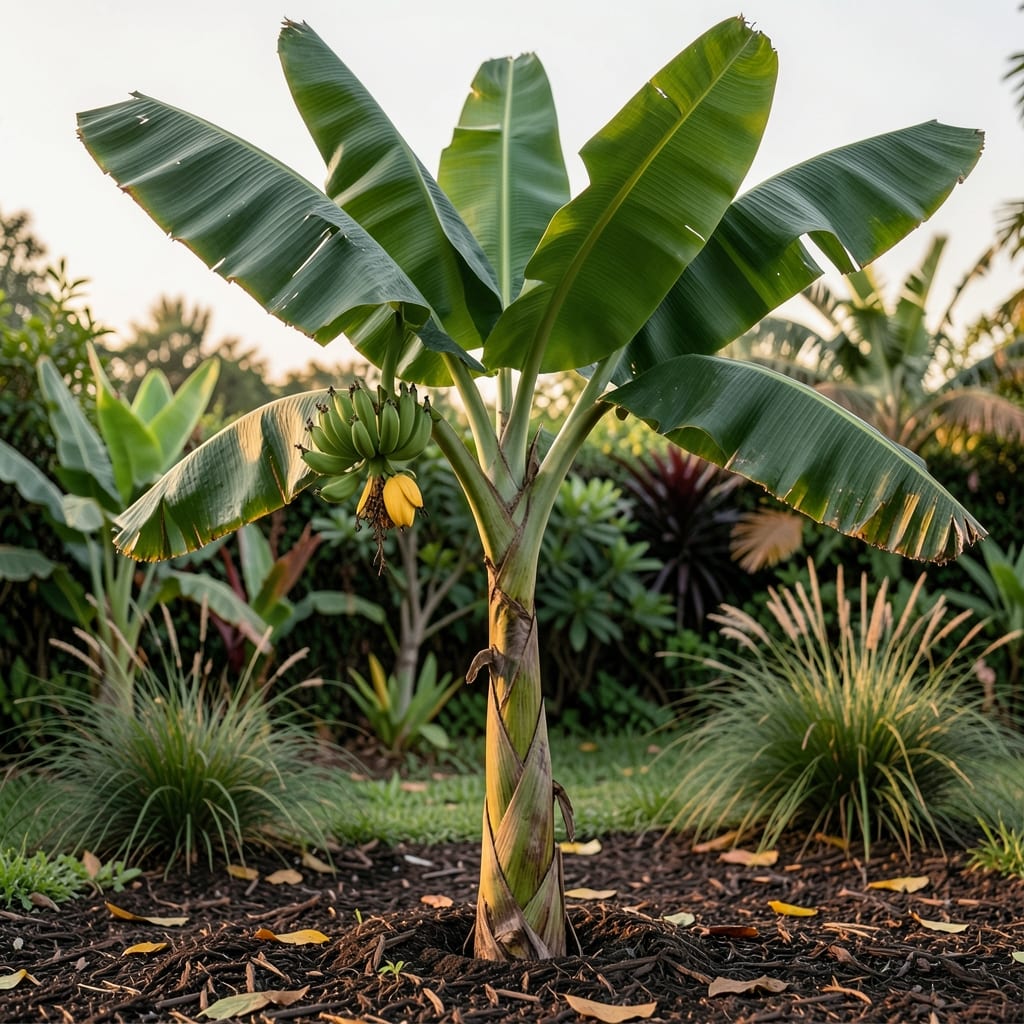
If you’ve ever wondered how tall banana trees grow, the answer might surprise you—these tropical giants can stretch from compact 6-foot dwarfs to towering 30-foot monsters, depending on the variety and care. Whether you're dreaming of a lush backyard oasis or a 🍌 houseplant that thrives indoors, understanding their growth potential is the first step to success.
Not all banana trees are created equal. Dwarf varieties like the Cavendish stay manageable at 10-15 feet, making them perfect for containers or small gardens, while hardy giants like the Red Dacca reach heights that rival palm trees. The key to unlocking their full potential lies in climate, soil, and the right growing conditions—something I’ll break down so you can choose the perfect variety for your space.
But here’s the thing: even the tallest banana trees start small. With the right care—like proper watering, sunlight, and fertilization—you can guide their growth toward your goals, whether that’s a 10-foot patio centerpiece or a 20-foot tropical statement in your yard. Let’s explore how to nurture them from seedling to sky-high stunner.
Ready to transform your garden—or even your living room—into a banana paradise? I’ll show you exactly how to support their growth, avoid common pitfalls, and enjoy the rewards of these stunning, fruit-bearing trees. Let’s get growing!

Banana tree height by variety: dwarf to giant sizes explained
Banana trees come in a stunning range of heights, from compact dwarf varieties that thrive in pots to giant tropical giants that dominate landscapes. The mature height of your banana tree depends almost entirely on its variety, with some reaching over 30 feet while others stay under 10 feet. Understanding these differences helps you choose the perfect variety for your space and climate.
For home gardeners in USDA Zones 10-12, most banana trees grow aggressively when given ideal conditions. Even in cooler climates, dwarf varieties can thrive in containers and reach 6-10 feet indoors. The key is selecting a variety that matches your available space and growth goals.
| Variety | Mature Height (ft) | Growth Rate | Best For |
|---|---|---|---|
| Dwarf Cavendish | 6–10 ft | Moderate (3–5 ft/year) | Containers, small yards |
| Lady Finger (Ice Cream) | 12–18 ft | Fast (5–8 ft/year) | Tropical gardens, large pots |
| Red Dacca | 20–30 ft | Very Fast (8–12 ft/year) | Large landscapes, tropical climates |
| Bluggoe | 15–25 ft | Moderate-Fast (6–10 ft/year) | Subtropical regions, large containers |
| Saba | 10–15 ft | Slow-Moderate (2–4 ft/year) | Small gardens, cooler climates |
The Dwarf Cavendish, one of the most popular varieties for home gardeners, typically reaches 6–10 feet at maturity. This makes it ideal for container gardening or small yards, especially in cooler climates where full-size varieties struggle. Its compact size also means it produces fruit faster, often within 2–3 years of planting.
If you're aiming for a statement-piece plant, the Lady Finger (also called Ice Cream banana) is a fantastic choice, growing 12–18 feet tall. This variety thrives in tropical climates and produces sweet, creamy fruit that's perfect for fresh eating. Its fast growth rate means you'll see significant height gains each year.
For those with ample space and a tropical climate, the Red Dacca banana is a giant among varieties, often exceeding 20 feet and sometimes reaching 30 feet. This dramatic height makes it a landscape centerpiece, but it requires regular pruning to manage size and encourage fruit production. Its bold red pseudostem adds a striking visual element to any garden.
When selecting a variety, consider not just height potential but also your climate zone and available space. For example, the Bluggoe variety grows 15–25 feet and is well-suited for subtropical regions, while the Saba banana stays more compact at 10–15 feet and tolerates cooler temperatures better than most varieties.
One common misconception is that all banana trees grow to 30+ feet. In reality, many popular varieties—like the Dwarf Cavendish—stay well under 10 feet when grown in containers. The key to controlling height lies in pruning and container size. Regularly removing old pseudostems encourages new growth and can help manage height, especially in potted plants.
If you're planning to grow bananas for fruit production, remember that taller varieties like Red Dacca may take 3–5 years to bear fruit, while dwarf varieties can produce in as little as 2 years. This makes them a more immediate reward for home gardeners eager to enjoy homegrown bananas.
For urban gardeners or those with limited space, the Dwarf Cavendish is often the best choice, offering manageable height and reliable fruit production. However, if you're in a tropical or subtropical climate with plenty of space, larger varieties like Lady Finger
Factors that determine how tall your banana tree will grow
Your banana tree’s height isn’t just luck—it’s a mix of genetics, climate, and care. While some varieties naturally reach 30 feet, others stay compact at 6 feet. Understanding these factors lets you optimize growth for your space and goals.
First, variety selection is critical. Dwarf types like Dwarf Cavendish max out at 10–15 feet, while Red Dacca can soar to 20–30 feet. Choose a variety that matches your yard or container size to avoid disappointment.
Next, climate plays a huge role. Banana trees thrive in USDA Zones 10–12, where warm temperatures and 300+ frost-free days fuel rapid growth. In cooler zones, they’ll grow slower or need container protection.
🌱 Sunlight exposure directly impacts height. Full sun (6+ hours daily) encourages tall, robust growth, while partial shade keeps plants shorter but may reduce fruit quality. Place your tree where it gets morning sun and afternoon shade if needed.
Soil quality affects root development, which supports height. Well-draining, slightly acidic soil (pH 5.5–7.0) with organic matter helps roots absorb nutrients efficiently. Amend heavy clay or sandy soil to improve drainage.
Watering habits matter too. Deep, consistent watering (1–2 gallons for potted trees) keeps the pseudostem strong, while underwatering stunts growth. Mulch around the base to retain moisture and regulate soil temperature.
Finally, pruning and fertilizing influence height. Prune dead leaves to redirect energy, and use a balanced fertilizer (10-10-10) every 4–6 weeks during growing seasons. Over-fertilizing can lead to weak stems, while neglect slows growth.
💡 Pro Tip: Monitor your tree’s growth rate. If it’s lagging, check for pests, nutrient deficiencies, or root-bound conditions—these can all limit height potential.
Dwarf Cavendish: 10–15 ft | Red Dacca: 20–30 ft
Zones 10–12: Fast growth | Cooler zones: Slower growth
6+ hours/day for max height | Partial shade for shorter growth
Well-draining, slightly acidic soil (pH 5.5–7.0)
Deep watering 3–5x/week (potted) | Weekly (in-ground)
Balanced (10-10-10) every 4–6 weeks in growing season
Remove dead leaves to redirect energy upward
By tuning these factors, you can guide your banana tree toward its full height potential—whether you want a compact patio tree or a towering tropical giant. Start with the right variety, then adjust care based on your climate and space.
🌿 Remember: Patience is key! Most banana trees take 2–5 years to reach mature height, so track progress and celebrate small milestones along the way.