
Trees
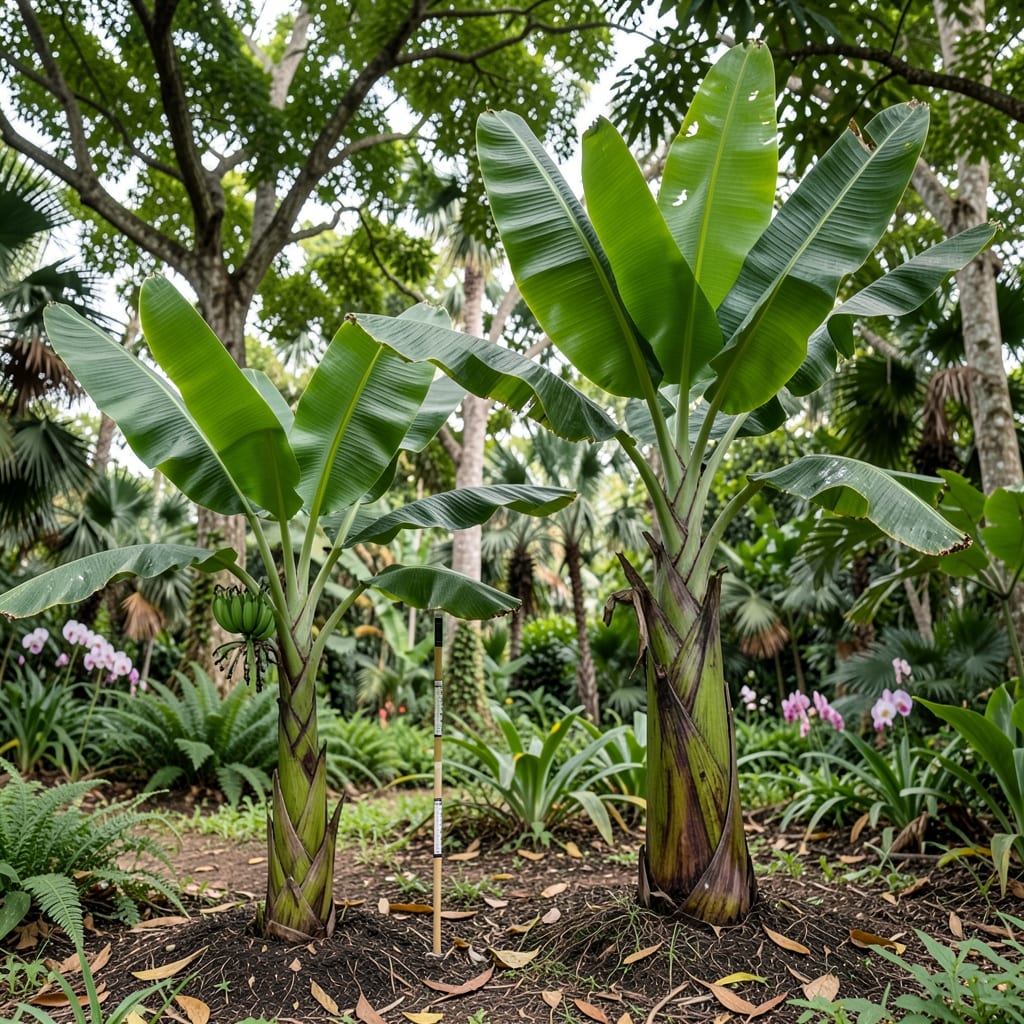
Curious about how tall your 🍌 banana tree could grow? The answer might surprise you—some varieties stretch toward the sky like natural skyscrapers, while others stay neatly contained in a backyard or even a pot!
If you’re dreaming of a tropical oasis, you’ll want to know which types of banana trees fit your space. From dwarf varieties that top out at 10 feet to towering giants reaching 25 feet or more, the possibilities are as diverse as the flavors of bananas themselves.
But height isn’t just about variety—it’s also about where you live, how you care for it, and even the pot you choose. Whether you’re in a cozy urban apartment or a sprawling rural garden, I’ll break down everything you need to know to get the perfect-sized banana tree for your setup.
Let’s dive into the details so you can plan your tropical dream—no matter how much (or little) space you’ve got!

Banana tree height by variety: from dwarf to giant species
Banana trees come in a stunning range of heights, from compact dwarfs perfect for containers to towering giants that need wide-open spaces. The variety you choose will determine whether your banana tree becomes a backyard centerpiece or a cozy patio companion.
Most banana trees fall into three height categories: dwarf (10–13 ft), semi-dwarf (15–19 ft), and standard (23–25 ft). Even within these groups, growth habits vary—some grow straight and tall, while others spread wider. Let’s explore the most popular varieties and their mature heights.
Here’s a quick reference for the most common banana tree varieties and their height ranges:
| Variety | Mature Height | Best For |
|---|---|---|
| Dwarf Cavendish | 10–12 ft | Containers, small gardens |
| Lady Finger (Dwarf) | 10–13 ft | Urban gardens, patios |
| Dwarf Blue Java | 12–15 ft | Large pots, small yards |
| Siamese Red | 15–18 ft | Semi-dwarf spaces, rural gardens |
| Red Dacca | 20–25 ft | Large gardens, tropical climates |
| Grand Nain | 18–22 ft | Subtropical regions, spacious yards |
If you’re in a small urban space, dwarf varieties like Dwarf Cavendish or Lady Finger are ideal—they’re manageable in containers and produce fruit without taking over your yard. For rural gardens or tropical climates, taller varieties like Red Dacca or Grand Nain thrive and can become stunning focal points.
Even within the same variety, height can vary based on growing conditions. For example, a Dwarf Cavendish in a sunny, well-drained spot might reach its full 12-foot potential, while one in partial shade could stay shorter. The key is choosing a variety that matches your space and climate.
One common misconception is that banana trees are all giants. In reality, many varieties are perfectly suited for container growing, making them accessible even in apartments or balconies. Just ensure your pot is large enough—at least 18–24 inches in diameter for dwarf varieties—to support healthy root growth.
For those in cooler climates, dwarf varieties are the best bet. They’re more cold-tolerant and can handle brief dips below freezing, whereas standard varieties will struggle in temperatures below 50°F (10°C). Always check your USDA hardiness zone before planting.
If you’re aiming for a tropical aesthetic but limited space, consider the Siamese Red variety. It strikes a balance at 15–18 feet, offering a dramatic look without overwhelming smaller gardens. Its vibrant red fruit adds a stunning visual contrast to green foliage.
Remember, banana trees grow quickly—some varieties can add 3–6 feet per year under ideal conditions. Plan accordingly, especially if you’re growing near structures like houses or fences. Pruning can help manage height, but it’s always better to choose the right variety from the start.
Now that you know the height ranges, the next step is understanding how to optimize growth—or control it—based on your unique conditions. That’s where climate, soil, and care come into play.
Factors that influence banana tree height: climate, soil, and care
Banana trees don’t grow to their full height potential by accident—they thrive when given the right climate conditions, nutrient-rich soil, and proper care. Whether you’re aiming for a towering tropical giant or a compact container-friendly variety, understanding these factors will help you control—or maximize—their growth. Let’s break down what truly makes a banana tree reach for the sky.
First, sunlight exposure plays a critical role. Banana trees need 6–8 hours of direct sunlight daily to grow at their fastest rate. In shady conditions, growth slows dramatically, and the tree may stay shorter than expected. For example, a Dwarf Cavendish in full sun might hit 12 feet, but in partial shade, it could max out at 8–10 feet. If you’re growing in a container, place it in the sunniest spot possible, like a south-facing balcony or patio.
Here’s how key factors directly impact height:
- 🌡️ Temperature: Bananas thrive in warm climates (75–85°F). Below 50°F (10°C), growth stalls, and leaves turn brown. Dwarf varieties tolerate cooler temps better but still need protection in frost-prone areas.
- 💧 Watering: Deep, infrequent watering encourages strong root growth, which supports taller stems. Overwatering leads to weak, leggy growth. Aim for 10–15 gallons weekly in ground, every 5–7 days in containers.
- 🌱 Soil Quality: Well-draining, rich soil with compost fuels rapid growth. Sandy or clay-heavy soil slows development. Amend with organic matter for optimal nutrient uptake.
- ✂️ Pruning: Regular pruning of dead leaves and suckers redirects energy to the main stem, promoting height. Over-pruning can stunt growth, while neglect leads to bushier, shorter trees.
- 🌿 Fertilizer: A balanced 10-10-10 NPK fertilizer applied every 6–8 weeks boosts height. Too much nitrogen creates leafy growth but fewer flowers.
Another often-overlooked factor is container size. Even dwarf varieties like Lady Finger need at least 18-inch pots to reach their full height. Roots bound by small containers stunt growth, while 24-inch+ pots allow trees to grow taller and produce more fruit. If you’re growing in pots, upgrade container size every 2–3 years to accommodate root expansion.
For those in cooler climates (Zones 8–10), winter care is crucial. Mulching around the base with straw or leaves insulates roots, helping the tree survive mild frosts. In Zones 7 and below, only dwarf varieties should be attempted, and they’ll need winter protection like frost cloth or moving containers indoors.
If you’re aiming for a taller banana tree, focus on these three priorities: full sun exposure, consistent watering, and regular feeding. For compact growth, limit water slightly, prune aggressively, and choose a smaller pot. The key is balance—banana trees reward attentive care with dramatic height and lush foliage.
Now that you know how to influence height, let’s tackle the big question: Can you grow a banana tree in containers? The answer is yes—but with the right variety and care. Let’s explore your options for small-space gardening.