
How To
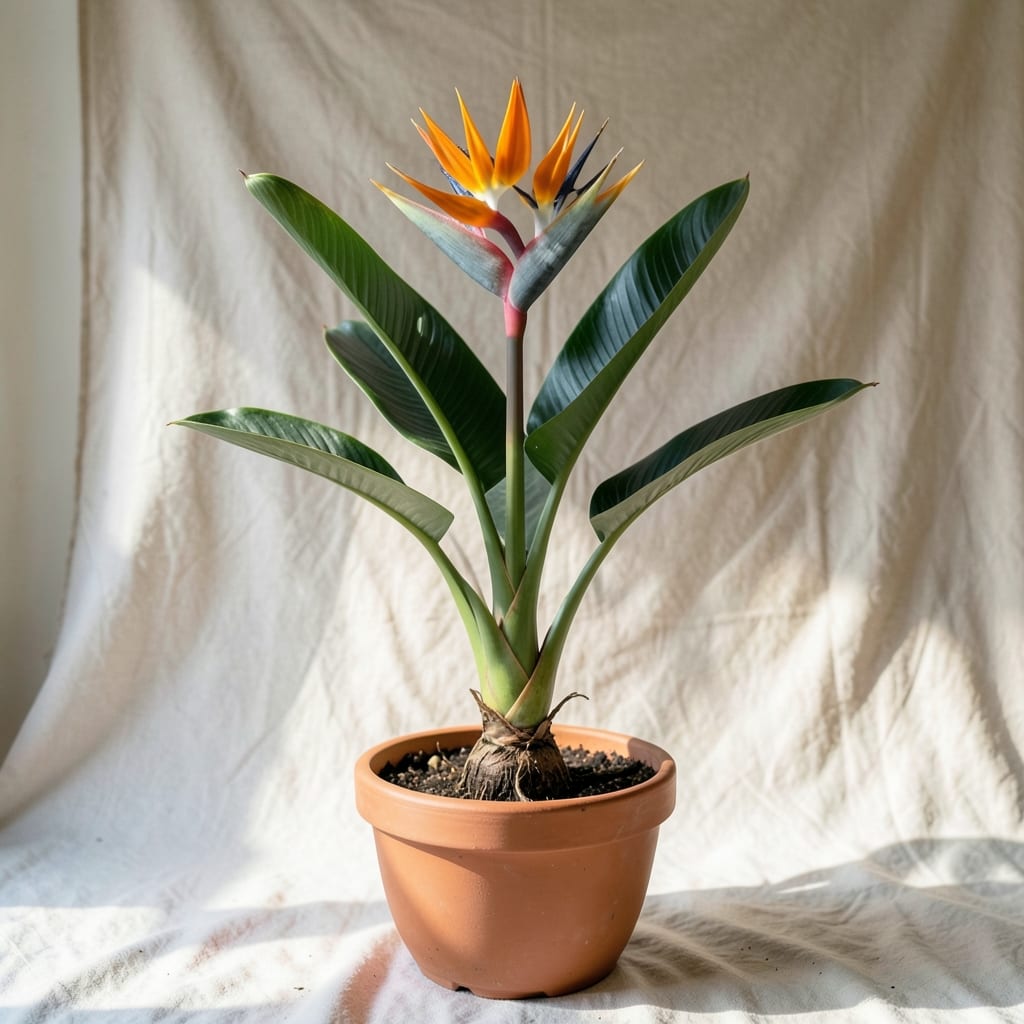
Wondering how tall bird of paradise grow in your garden? These tropical beauties—like the striking 🌺 Strelitzia nicolai—can reach heights of 10 feet or more under ideal conditions, making them a bold statement for any outdoor space.
But here’s the catch: their growth speed depends on variety, care, and climate. Some varieties grow 3 feet per year, while others take their time. With the right sunlight, soil, and pruning, you can encourage faster, healthier growth that turns your garden into a lush, exotic paradise.
If you’re wondering whether these plants are right for your space, I’ll break down the fastest-growing types and the key factors that determine their ultimate height—so you can plan your garden layout with confidence.
Ready to transform your yard with towering, vibrant foliage? Let’s dive into what it takes to maximize your bird of paradise’s potential and keep it thriving for years to come.

Bird of paradise height by variety: fastest-growing types and their ultimate size
If you’re planning your garden layout, knowing how tall bird of paradise grow is key—these plants can range from compact 3-foot wonders to towering 30-foot giants, depending on the variety. The fastest-growing types, like Strelitzia nicolai, can add 3 feet per year under ideal conditions, while others grow more slowly. Let’s explore the top varieties and their mature heights so you can choose the perfect fit for your space.
First, the giant varieties like Strelitzia nicolai (White Bird of Paradise) are the fastest growers, reaching heights of 15–30 feet in tropical climates. These are the showstoppers for large gardens or as focal points near patios. In cooler climates (USDA Zones 9–11), they may stay shorter but can still grow 10–15 feet with proper care. Their broad, banana-like leaves make them a dramatic addition to any landscape.
The classic orange bird of paradise, Strelitzia reginae, is more compact, typically maturing at 6–12 feet tall. This variety grows at a steady 1–2 feet per year and is perfect for smaller gardens or containers. Its vibrant orange blooms add a pop of color, making it a favorite for both outdoor and indoor spaces in warmer climates.
For those with limited space, Strelitzia juncea (Dwarf Bird of Paradise) is a fantastic choice, reaching only 3–6 feet tall. It grows more slowly (6–12 inches per year) but thrives in containers, making it ideal for patios, balconies, or even as a houseplant in bright, sunny rooms. Its slender leaves and smaller size make it a great low-maintenance option.
Now, let’s compare these varieties side by side to help you decide which one fits your garden best. Below is a quick breakdown of their growth rates, mature heights, and space requirements.
When choosing a variety, consider your climate and space. For example, Strelitzia nicolai thrives in USDA Zones 9–11 and needs ample room to spread, while Strelitzia juncea is perfect for containers or small patios in Zones 8–11. If you’re in a cooler zone, opt for Strelitzia reginae, which is more cold-hardy and adaptable to containers for winter protection.
Another factor to consider is growth rate. If you want quick results, Strelitzia nicolai or Strelitzia caudata will give you the fastest vertical growth. For slower, steady growth, Strelitzia reginae or Strelitzia augusta are excellent choices. Both offer stunning foliage and blooms without requiring as much space.
How to maximize bird of paradise growth: light, soil, and pruning tips for towering stems
If you’re aiming for a bird of paradise that reaches its full tropical height potential, focus on three key factors: sunlight, soil, and pruning. These plants thrive in bright, indirect light but can handle full sun in warmer climates—just avoid harsh afternoon rays that can scorch their leaves. I’ve found that 6+ hours of sunlight daily is ideal for encouraging rapid, healthy growth.
For soil, well-draining, slightly acidic mix (pH 6.0–6.5) works best. Amend heavy clay with compost or perlite to prevent root rot, which can stunt growth. I recommend planting in mounded soil to improve drainage, especially in containers. Mulching around the base helps retain moisture while keeping roots cool.
Pruning plays a crucial role in shaping your plant’s height. Remove dead or yellowing leaves at the base to redirect energy upward. I also trim back overly leggy stems in early spring to encourage bushier, more compact growth. For container-grown plants, prune suckers (shoots at the base) to maintain a single, tall stem if desired.
Seasonal adjustments matter too. In summer heat, increase watering to every 5–7 days but avoid soggy soil. During winter dormancy, reduce watering to monthly and skip fertilizing. I’ve seen plants grow 3 feet per year in optimal conditions, but consistency is key—skipping care steps can slow their ascent dramatically.
Container growers, take note: Pot size limits height. Choose a container at least 12 inches wide and deep for mature plants to prevent root-bound stress. Elevate pots slightly to improve drainage, and use a terracotta pot to wick away excess moisture. With these tweaks, your bird of paradise can hit its maximum height potential faster than you’d expect.
Remember, patience is part of the process. Even the fastest-growing varieties take 3–5 years to reach their full height, but with the right care, your garden will soon feature a stunning, towering tropical centerpiece. 🌿