
How To
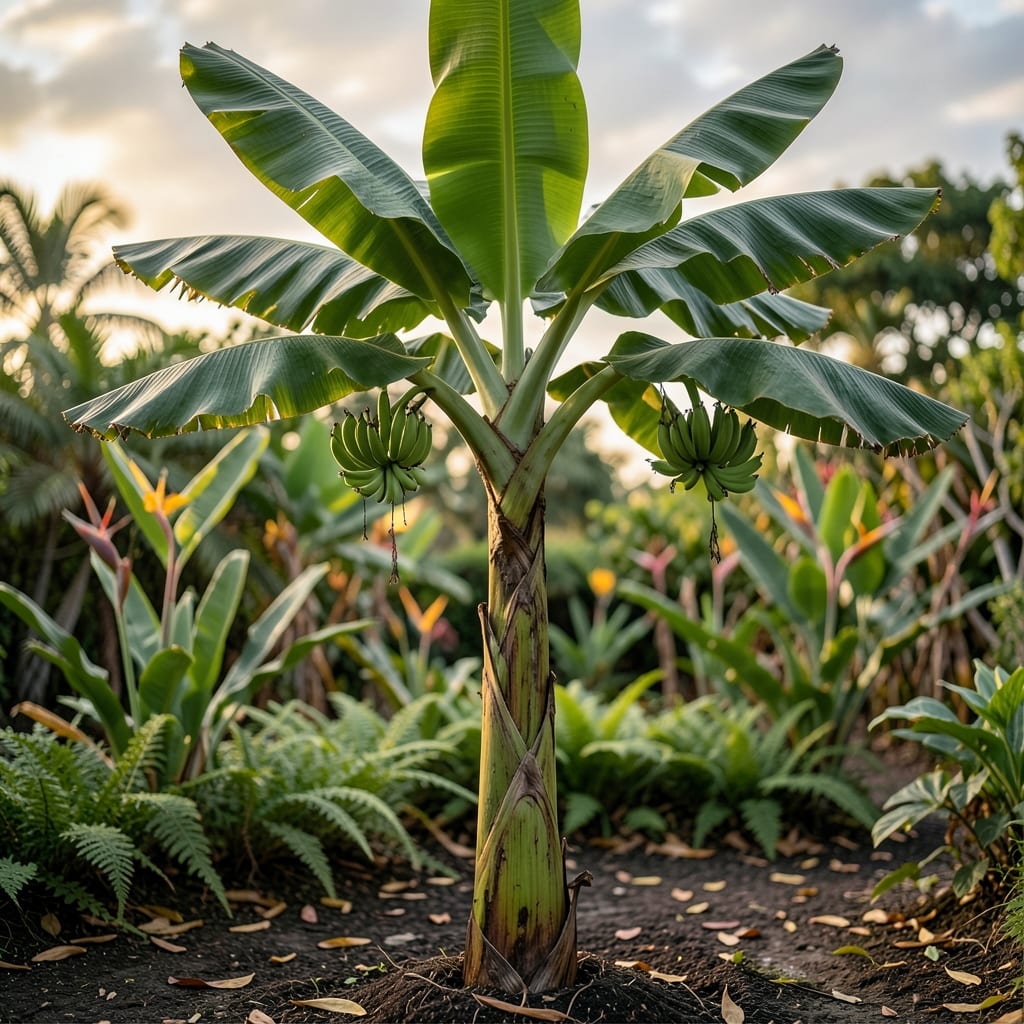
If you’ve ever wondered how tall can a banana tree grow, the answer might surprise you—some varieties stretch toward the sky like jungle giants, while others stay compact enough for containers. The 🍌 banana tree isn’t just one size fits all; its height depends on species, climate, and care, with some reaching 100 feet in tropical paradises and others topping out at 10 feet in pots.
Picture this: a banana tree in your backyard that towers over your fence or a dwarf variety that fits snugly on your patio. The key difference? Genetics and growing conditions. Tropical climates nurture the tallest varieties, while cooler zones limit growth—unless you’re growing them indoors. Whether you’re planning a lush garden or a cozy houseplant, understanding these factors will help you choose the perfect variety for your space.
But here’s the fun part: you can influence height with simple care tricks. Pruning, soil quality, and watering all play a role in whether your banana tree becomes a skyscraper or stays manageable. Let’s break down how climate, species, and a few gardening secrets determine just how tall your 🍌 can grow—and how to make the most of it.
Ready to turn your space into a banana paradise? I’ll show you how to pick the right variety, optimize growth, and keep your banana tree thriving—no matter how tall (or short) you want it to be. Let’s get started!


Banana tree height by species: from dwarf varieties to giant monsters
The height of a banana tree can vary wildly depending on the species and variety. Some stay compact enough for containers, while others grow tall enough to dwarf a two-story house. Let’s break down the most common banana tree heights and what influences them.
Most gardeners grow dwarf banana varieties, which typically reach 6–10 feet tall—perfect for containers or small yards. These include popular types like the Dwarf Cavendish or Lady Finger, which produce fruit without reaching skyscraper heights. Their compact size makes them ideal for urban gardens or patios.
On the other end of the spectrum, commercial banana varieties like the Musa acuminata or Gros Michel can soar to 15–30 feet tall outdoors. In tropical climates, some wild banana species even exceed 100 feet, though these are rare in home gardens. The height difference comes down to genetics and growing conditions.
🌱 Did You Know? The tallest banana tree ever recorded was a Musa ingens in Indonesia, reaching an astonishing 100+ feet—taller than a giraffe!
| Variety | Height Range | Growing Conditions | Best For |
|---|---|---|---|
| Dwarf Cavendish | 6–10 ft | Containers, partial shade | Patios, urban gardens |
| Lady Finger (Dwarf) | 8–12 ft | Well-draining soil, full sun | Small yards, pots |
| Red Dacca | 10–15 ft | Tropical climates, rich soil | Landscaping, fruit production |
| Musa acuminata | 15–30 ft | Warm, humid zones, full sun | Large gardens, commercial farms |
| Musa ingens | 30–100+ ft | Tropical rainforests, deep soil | Wild landscapes, rare collections |
If you’re growing bananas in containers, expect heights of 6–10 feet even for standard varieties. The key is choosing the right pot size (at least 20 gallons) and providing support stakes to prevent toppling. In-ground banana trees, however, have no height limits in ideal conditions.
For cooler climates, opt for dwarf varieties like Ice Cream Banana or Apple Banana, which stay under 10 feet and tolerate brief chills. These are perfect for Zone 8–10 gardens or as houseplants in colder regions.
🌿 Pro Tip: If you want a taller banana tree, choose a tropical variety and plant it in well-draining, nutrient-rich soil. For shorter trees, prune regularly and use smaller containers to limit root expansion.
Banana trees also grow faster in warm, humid climates. In dry or cold regions, growth slows significantly, often capping height at 10–15 feet. This is why Florida and Hawaii produce some of the tallest banana trees in home gardens.
Finally, remember that banana trees are not true trees—they’re giant herbaceous plants with no woody stem. Their pseudostems (made of leaf sheaths) can reach incredible heights, but they’re also highly sensitive to frost, which can stunt growth or kill the plant entirely.
✂️ Key Takeaway: Your banana tree’s height is a mix of genetics, care, and climate. Choose the right variety for your space, and provide the ideal conditions to unlock its full potential!
Climate’s role in banana tree growth: why your location determines height
Your banana tree’s final height isn’t just about the variety you plant—it’s heavily influenced by your local climate. Tropical regions like Hawaii or Southeast Asia let banana trees reach their full genetic potential, often 20–100 feet, while temperate zones like Florida or California cap most varieties at 15–30 feet. Even within the U.S., a tree in Zone 11 might tower over one in Zone 9 due to warmer temperatures and longer growing seasons.
Humidity plays a critical role too. Banana trees thrive in 70–90% humidity, which is common in tropical climates. In drier regions like Arizona or Mediterranean climates, growth slows, and trees may stay shorter and bushier. Even indoor banana trees in containers struggle to reach their outdoor counterparts’ heights because limited root space and lower humidity stunt vertical growth.
| Climate Zone | Avg. Height | Key Factors | Growth Tips |
|---|---|---|---|
| Tropical (Zones 10–12) | 20–100 ft | High humidity, year-round warmth, no frost | Plant dwarf varieties for manageable sizes; mulch to retain moisture. |
| Subtropical (Zones 8–9) | 15–30 ft | Mild winters, moderate humidity, occasional frost risk | Use frost cloth in winter; prune to encourage bushier growth. |
| Temperate (Zones 6–7) | 6–15 ft (container) or 10–20 ft (outdoor) | Short growing season, low humidity, frost risk | Grow in containers; move indoors before frost; use grow lights in winter. |
Sunlight exposure also directly impacts height. Banana trees need 6+ hours of direct sun daily, but in hot, dry climates, afternoon shade prevents leaf scorch and helps trees focus energy on vertical growth. In cooler climates, like Southern California, trees may grow taller to compensate for less intense sunlight. If your tree isn’t reaching expected heights, check for shade obstacles like buildings or tall fences blocking sunlight.
Frost is the biggest height limiter for banana trees outside tropical zones. A single 28°F night can kill the pseudostem (the tree’s trunk-like structure), forcing regrowth from the rhizome (underground stem). This resets growth, often resulting in a shorter, bushier plant. In Zone 8 and below, even dwarf varieties may struggle to exceed 10 feet without winter protection like row covers or containers.
To maximize height in less-than-ideal climates, focus on soil fertility and water consistency. Banana trees in containers grow faster when potted in well-draining, nutrient-rich soil with regular feeding (every 4–6 weeks). In ground-planted trees, amend soil with compost or banana-specific fertilizer to support rapid growth. Avoid overwatering, though—waterlogged roots stunt height by limiting oxygen uptake.
If you’re in a cooler zone but still want a tall banana tree, consider trellising or staking younger plants to guide their growth upward. This mimics the natural support trees get in windy tropical climates. Just remember: height isn’t everything. Even a 6-foot container tree can produce edible bananas—it’s all about choosing the right variety for your climate and space.