
How To
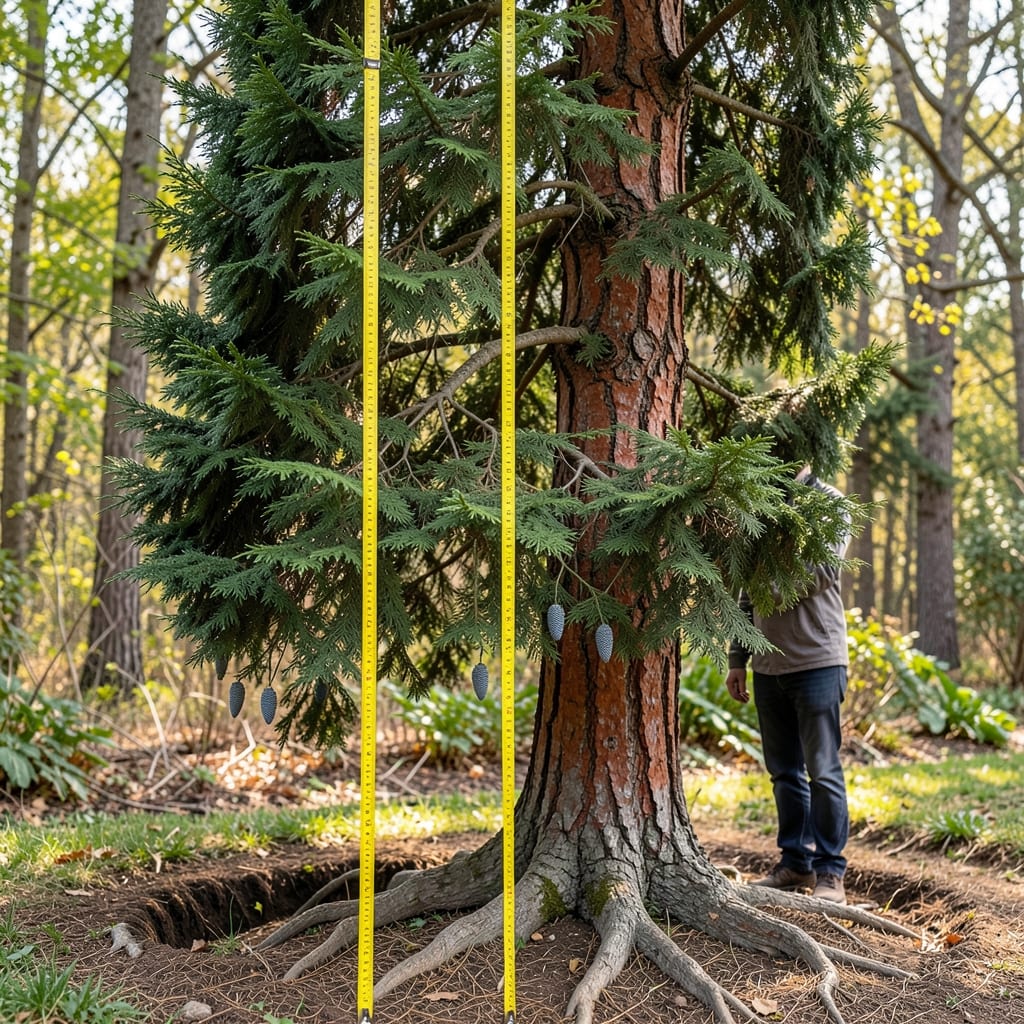
Wondering how tall a cedar tree can grow before it casts shade over your entire backyard—or stays a modest shrub? The answer depends entirely on the species you choose, because these evergreens range from dwarf varieties under 10 feet to towering giants that dwarf two-story houses at 40 feet or more.
If you're planning your landscape around a cedar tree, knowing its potential height is the key to avoiding surprises. Some species like the Eastern Red Cedar grow steadily toward 30-40 feet, while others like the Blue Atlas Cedar top out around 20-25 feet—making them perfect for smaller yards. The right placement and care can even influence how much your tree stretches toward the sky.
What if you want to control your cedar's height? Pruning techniques and spacing strategies can make all the difference. I'll show you how to predict growth based on your climate zone, soil type, and sunlight exposure—so you can plant with confidence and enjoy a cedar tree that fits your vision, whether that's a privacy screen or a statement centerpiece.
Let’s break down the height ranges of the most popular cedar varieties and share the secrets to nurturing them—so you can decide whether your next tree will be a gentle giant or a compact beauty that stays in scale with your space.


Mature heights of popular cedar tree species compared
Cedar trees come in a stunning range of sizes, from dwarf varieties perfect for bonsai to towering giants that dominate landscapes. The Eastern Red Cedar, for example, can reach 40 feet tall in ideal conditions, while the Atlas Cedar typically stays between 30-60 feet. Even within a single species, height varies based on growing conditions, soil quality, and pruning habits.
If you're planning your landscape, knowing these mature height ranges helps you avoid planting a giant cedar too close to your home. Some varieties, like the Deodara Cedar, grow 50-70 feet tall—taller than many suburban homes! Meanwhile, dwarf cedars like the Blue Rug Juniper max out at just 10-15 feet, making them ideal for small gardens or container growing.
Here’s a quick comparison to visualize the differences:
| Species | Mature Height | Growth Rate | Ideal Climate | Best For |
|---|---|---|---|---|
| Eastern Red Cedar | 30-40 ft | 1-2 ft/year | Zones 2-9 | Privacy screens, wildlife habitat |
| Atlas Cedar | 30-60 ft | 2-3 ft/year | Zones 6-9 | Large landscapes, statement trees |
| Deodara Cedar | 50-70 ft | 3-4 ft/year | Zones 6-9 | Park-like settings, large yards |
| Blue Rug Juniper | 10-15 ft | 6-12 in/year | Zones 3-9 | Bonsai, containers, ground cover |
| Leptospermum (Australian Cedar) | 15-25 ft | 1-2 ft/year | Zones 8-11 | Mediterranean gardens, coastal areas |
| Thuja (Arborvitae) | 30-50 ft | 1-2 ft/year | Zones 3-8 | Hedges, windbreaks, privacy |
| Pencil Cedar (Juniperus) | 10-20 ft | 6-12 in/year | Zones 4-9 | Ornamental, bonsai, small gardens |
| Incense Cedar | 40-70 ft | 2-3 ft/year | Zones 6-9 | Forests, large properties |
For landscape planning, consider the Eastern Red Cedar or
What determines how tall your cedar tree will grow?
Your cedar tree’s final height isn’t just luck—it’s a mix of genetics, environmental conditions, and your care habits. While some species naturally reach towering heights, others stay compact. Understanding these factors lets you predict and influence how tall your cedar will grow before planting.
First, species genetics set the baseline. For example, an Eastern Red Cedar may grow 30-40 feet tall, while a Dwarf Blue Atlas Cedar tops out at just 10-15 feet. Even within a species, some cultivars are bred for shorter stature, like the 'Green Spire' Eastern Red Cedar, which stays under 20 feet.
Soil quality and drainage play a huge role too. Cedar trees thrive in well-draining, slightly acidic soil. Poor soil can stunt growth or even kill the tree. If your yard has clay-heavy soil, amend it with compost or sand to improve drainage. Compacted soil restricts root expansion, limiting height potential.
Sunlight exposure is another critical factor. Most cedars need full sun (6+ hours daily) to reach their maximum height. In shady conditions, growth slows dramatically, and the tree may stay 10-20 feet shorter than its potential. If you’re planting near a fence or under tall structures, choose a dwarf variety to avoid disappointment.
Your pruning habits can either encourage or limit height growth. Pruning too aggressively can stunt a cedar’s growth, while strategic pruning—like removing lower branches—can direct energy upward. However, cedars are slow to recover from heavy pruning, so always remove no more than 25% of the foliage at a time.
Finally, climate and microclimate matter. Cedar trees in cooler, wetter climates (like the Pacific Northwest) often grow taller than those in hot, dry regions (like the Southwest). Wind exposure also affects height—sheltered trees grow straighter and taller, while wind-prone areas can stunt growth or cause lean.
🌱 Growth Potential Calculator: Key Factors
| Factor | Low Impact | Moderate Impact | High Impact |
|---|---|---|---|
| Species Genetics | Dwarf varieties (10-15 ft) | Standard (20-30 ft) | Giant (30-40+ ft) |
| Soil Quality | Poor drainage (-10-20%) | Average soil (baseline) | Well-draining (+10-15%) |
| Sunlight | Partial shade (-20-30%) | Partial sun (moderate) | Full sun (optimal) |
| Pruning | Aggressive (-30%) | Minimal (baseline) | Strategic (+5-10%) |
| Climate | Arid (-15-25%) | Moderate (baseline) | Cool/wet (+10-20%) |
💡 Pro Tip: Use this table to estimate your cedar’s mature height. For example, a standard Eastern Red Cedar in full sun with well-draining soil could reach 35-40 feet, while the same tree in partial shade might max out at 25 feet.
By combining these factors, you can accurately predict your cedar’s height and plan accordingly. Need a tall specimen? Choose the right species and site conditions. Want a compact tree? Opt for a dwarf variety and prune lightly. With the right approach, you’ll get the perfect cedar for your space—whether it’s a privacy screen or a bonsai masterpiece.