
Trees
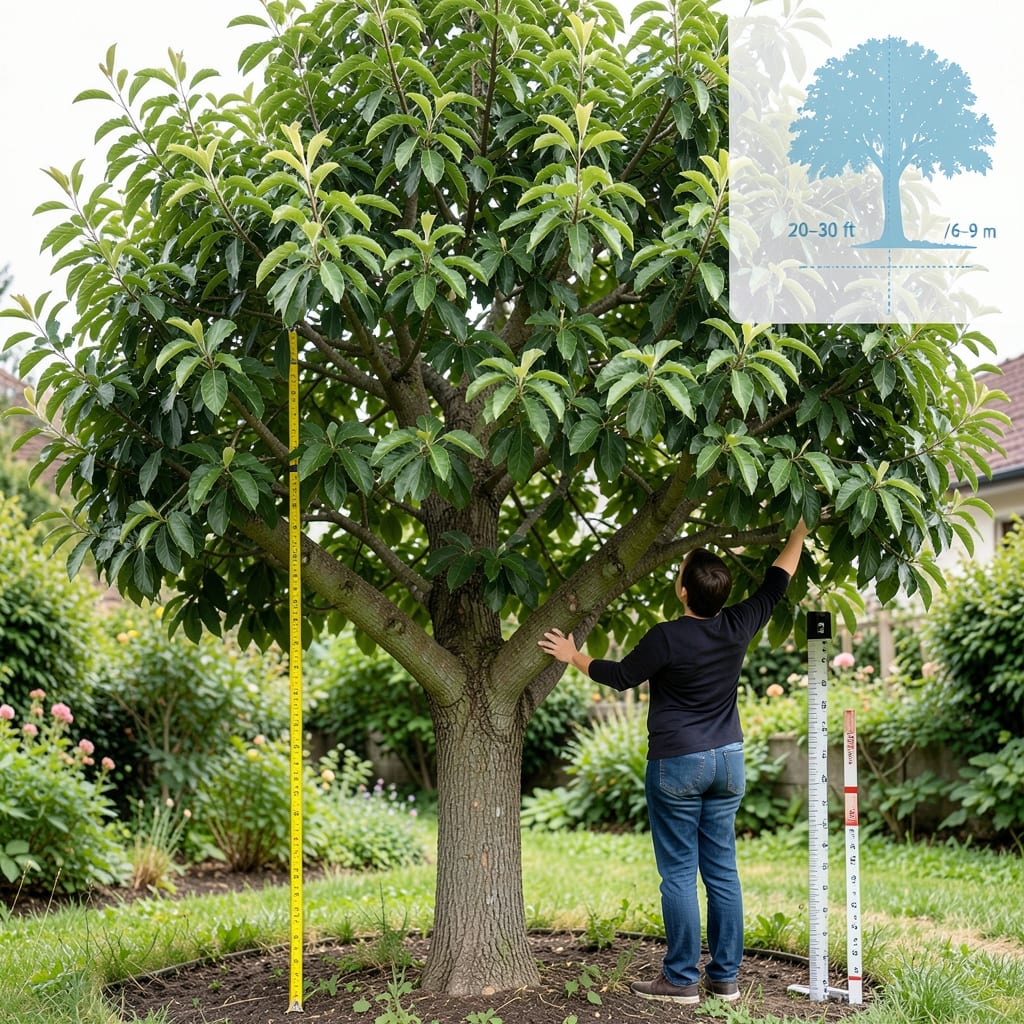
Ever wondered just how tall your 🍒 cherry tree could grow if left to its own devices? The answer might surprise you—some varieties stretch taller than a two-story house, while others stay perfectly manageable for even the smallest backyard.
If you're dreaming of a cherry tree that fits your space without requiring a ladder for every harvest, understanding the mature height of different varieties is the first step. Whether you're dealing with a dwarf that tops out at 8 feet or a standard variety reaching 40 feet, knowing the right fit for your garden makes all the difference.
But it’s not just about picking the right variety—soil quality, pruning habits, and even your local climate play a huge role in how tall your tree will grow. I’ll break down the key factors that influence cherry tree height and share pruning secrets to keep your tree at the perfect size for your needs.
Ready to find the perfect cherry tree for your space? Let’s explore the heights, care tips, and everything else you need to know to grow the ideal tree—whether you want a compact patio cherry or a towering backyard centerpiece.

Cherry tree height by variety: from dwarf to giant mature sizes
Cherry trees are famous for their stunning spring blooms and sweet summer fruit, but their mature heights can vary dramatically—from compact patio dwarfs to towering giants that need a whole yard. Understanding these differences helps you choose the perfect variety for your space and climate. Sweet cherries and sour cherries (tart) each have their own height ranges, so let’s break down the most popular types and their growth potential.
The tallest cherry trees can reach 40–60 feet, while dwarf varieties stay under 8 feet. Your choice depends on whether you want a shade tree, a fruit-bearing centerpiece, or a container-friendly option. For example, the Stella® cherry tree stays around 6–8 feet, perfect for small yards, while the Black Tartarian cherry can soar to 30 feet or more.
Here’s a quick look at how soil quality, sunlight exposure, and pruning habits influence height. Well-drained soil and full sun maximize growth, while aggressive pruning can keep even standard varieties in check. For instance, a Bing cherry tree might hit 25–30 feet in ideal conditions but can be pruned to 15 feet for easier fruit picking.
| Variety | Type | Mature Height | Notes |
|---|---|---|---|
| Stella® | Sweet | 6–8 ft | Dwarf, self-pollinating, great for containers |
| Bing | Sweet | 25–30 ft | Standard size, needs cross-pollination |
| Montmorency | Sour | 15–20 ft | Cold-hardy, great for pies and preserves |
| Black Tartarian | Sweet | 30–40 ft | Large, needs space, disease-resistant |
| Columbian | Sweet | 20–25 ft | Self-pollinating, early bloomer |
| Balaton | Sour | 12–15 ft | Dwarf, self-fertile, great for small gardens |
| Rainier | Sweet | 20–25 ft | Self-pollinating, sweet-tart flavor |
| North Star® | Sweet | 10–12 ft | Semi-dwarf, cold-hardy, self-pollinating |
If you’re planning for long-term growth, consider the rootstock used when planting. Dwarf varieties are often grafted onto semi-dwarf rootstock like Gisela®, which naturally limits height. Meanwhile, standard trees grown from seed or wild rootstock can reach their full 40-foot potential without intervention. Always check the nursery label for rootstock details to avoid surprises.
For urban gardeners or those with limited space, columnar cherry trees like ‘Compact Stella’ grow just 6–8 feet tall but produce fruit like their taller cousins. These varieties are perfect for balconies or small patios and can even be grown in large containers. Just ensure the pot has drainage holes and is at least 18 inches wide to support root growth.
Climate plays a role too—cold-hardy varieties like Montmorency or North Star® thrive in USDA Zones 3–7 and grow more vigorously in cooler regions. In warmer climates, heat stress can slow growth, so choose varieties like Rainier or Bing, which handle Zones 5–9 well. Always match your cherry tree to your local climate zone for the best results.
One common mistake is assuming all cherry trees need the same space. A Black Tartarian planted too close to a house or fence will struggle to reach its full height, leading to root competition and poor fruit production. Always follow spacing guidelines: 15–20 feet for standard trees, 10–12 feet for semi-dwarfs, and 6–8 feet for dwarfs
How pruning affects cherry tree height: techniques to control growth
Pruning isn’t just about shaping your cherry tree—it’s the secret weapon to controlling its height and spread. A well-pruned tree can stay at 8 feet or even shorter, while neglected ones may shoot up to 40 feet in standard varieties. The key is timing and technique, especially since cherry trees are sensitive to over-pruning.
Most gardeners make the mistake of pruning at the wrong time, which can stunt growth or invite disease. For sweet cherries, prune in late winter or early spring before buds swell, while tart cherries tolerate summer pruning better. Always use sterilized tools to prevent bacterial canker, a common issue.
⚠️ Pruning Pitfalls to Avoid
1. Pruning too late in spring: Encourages new growth that can’t harden off before winter frost. 2. Removing too many branches at once: Weakens the tree and reduces fruit production. 3. Using dull or dirty tools: Creates jagged cuts that invite disease.
For height control, focus on removing suckers and water sprouts—those vigorous vertical shoots that pop up along the trunk. These compete with fruit-bearing branches for energy. In standard varieties, aim to remove 20-30% of the canopy per year, but never exceed 30% in a single session.
Dwarf varieties like Stella® or Compact Stella® need minimal pruning—just enough to maintain their 8-foot frame. For these, focus on open-center shaping to improve airflow and fruit access. Always prune just above a bud at a 45-degree angle to encourage proper healing.
If your cherry tree is already too tall for your space, don’t panic. You can top it gradually over 2-3 years, but avoid drastic cuts that trigger excessive regrowth. Pair pruning with annual soil testing—cherry trees thrive in slightly acidic soil (pH 6.0-6.5), and poor soil can limit their natural growth potential.
Remember, the goal isn’t just to control height but to promote fruit production. A well-pruned tree will reward you with heavier harvests and easier maintenance. Start small, observe how your tree responds, and adjust your approach each season.