
Size
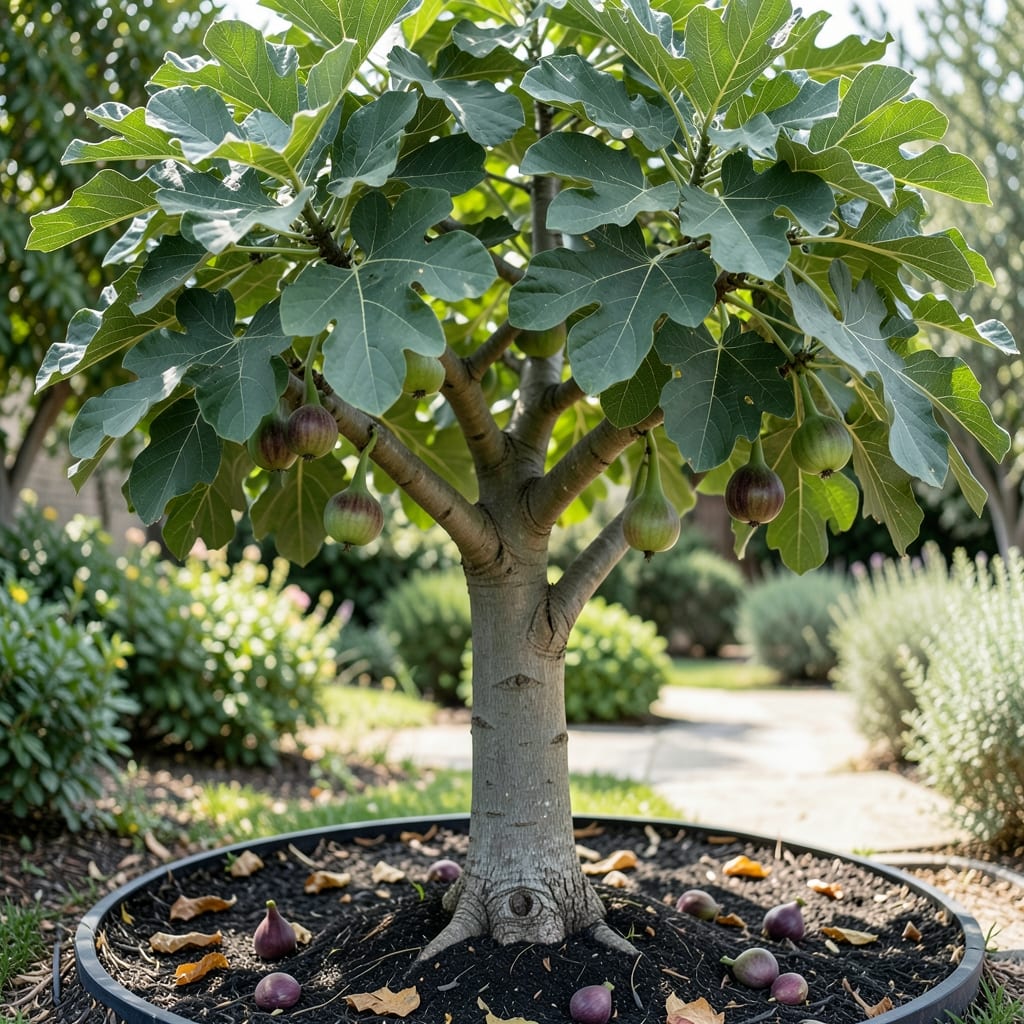
If you’ve ever wondered how tall can a fig tree grow, the answer might surprise you—some varieties stay compact enough for containers, while others stretch toward the sky like natural skyscrapers. The 🌳 Fig Tree you plant today could be a 3-foot bush or a towering 100-foot giant, depending on the species and care you give it.
For most home gardeners in USDA Zone 6a, common varieties like 'Brown Turkey' or 'Chicago Hardy' typically reach 15-30 feet at maturity, but dwarf types like 'Little Miss Figgy' stay under 5 feet. The key to controlling height lies in pruning, soil quality, and sunlight exposure—all factors we’ll break down to help you shape your tree’s future.
Whether you’re dreaming of a shade-providing giant or a manageable patio plant, understanding these growth patterns is your first step. I’ll show you how to encourage (or limit) height based on your space, climate, and even container gardening goals—so you can grow the perfect fig tree for your backyard or balcony.
Ready to learn which varieties thrive in your area and how to keep them at your ideal height? Let’s dive into the science and practical tips that will transform your fig tree from a seedling to a stunning centerpiece—no matter how tall (or short) you want it to be.


Fig tree height by species: from dwarf varieties to giant trees
Fig trees are famously adaptable, with some varieties staying compact enough for containers while others grow into towering giants. The common fig (Ficus carica) typically reaches 15–30 feet at maturity, but ornamental species like the banyan fig (Ficus benghalensis) can soar to 100+ feet in tropical climates. Your choice of species determines whether you’ll need a skyscraper-sized yard or just a cozy corner.
Dwarf varieties like ‘Little Miss Figgy’ max out at 3–5 feet, making them perfect for patios or small gardens. Meanwhile, standard types such as ‘Brown Turkey’ or ‘Celeste’ grow 20–30 feet tall, requiring careful pruning to manage their height. The key? Matching your climate zone and space constraints to the right variety.
🌱
🌳 Fig Tree Height by Species
| Variety | Mature Height | Growth Habit | Climate Zone |
|---|---|---|---|
| Little Miss Figgy | 3–5 ft | Bushy, compact | Zones 7–11 |
| Chicago Hardy | 15–20 ft | Upright, cold-hardy | Zones 4–9 |
| Brown Turkey | 20–30 ft | Spreading canopy | Zones 7–11 |
| Celeste | 20–30 ft | Vigorous, fast-growing | Zones 7–11 |
| Banyan Fig (Ficus benghalensis) | 50–100+ ft | Massive, spreading roots | Tropical (Zones 10–12) |
If you’re growing figs in containers, opt for dwarf varieties like ‘Desert King’ or ‘Violette de Bordeaux’, which stay under 8 feet when pruned. These thrive in 15–25 gallon pots and can be moved indoors during winter in colder zones. For outdoor planting, standard varieties need at least 10 feet of clearance to avoid overcrowding nearby plants.
Ornamental figs like the strangler fig (Ficus aurea) or weeping fig (Ficus benjamina) can reach 30–50 feet indoors or outdoors, but their growth rate slows dramatically in low-light conditions. To encourage height, place them near south-facing windows or use grow lights for 12–14 hours daily.
Soil quality also plays a role. Fig trees prefer well-draining, slightly alkaline soil (pH 6.0–7.5). Heavy clay or waterlogged soil stunts growth, while sandy loam with added compost promotes rapid vertical expansion. In my Zone 8 garden, I’ve seen ‘Brown Turkey’ figs grow 3 feet per year when given full sun and regular pruning.
🌿
For fastest growth, focus on two key factors: sunlight exposure and watering consistency. Figs in full sun (6+ hours daily) grow 20–30% taller than those in partial shade. Pair that with deep watering (1–2 inches per week), and you’ll see dramatic height gains within 3–5 years. Just be prepared for aggressive root spread—some varieties send out suckers that can sprout 10+ feet away from the main trunk!
🪴
How to control fig tree height: pruning, training, and growth hacks
Want your fig tree to stay compact or reach for the sky? The secret lies in pruning techniques and growth training. Fig trees are naturally adaptable, but without guidance, they’ll grow wild—sometimes 30 feet tall or more. Here’s how to shape yours into your dream size, whether you envision a 3-foot bush or a 20-foot shade giant.
First, understand that fig trees grow in two ways: vertical growth (trunk and branches) and horizontal growth (spreading limbs). By controlling these, you dictate the tree’s height. For example, the ‘Little Miss Figgy’ variety stays under 5 feet naturally, but even it can stretch taller if left unchecked. Pruning isn’t just about cutting branches—it’s about redirecting energy where you want it to grow.
🌱 Pruning for height control starts in late winter or early spring, just before new growth begins. This is when the tree is dormant, making it less stressful. Use sharp, sterilized pruners to avoid disease. For a shorter tree, focus on cutting back the central leader (main upward-growing branch) and side branches that encourage vertical growth. Aim to remove 1/3 of the canopy at a time to avoid shocking the tree.
📋 Step-by-Step Pruning Guide for Height Control
- Step 1: Identify the central leader – The main vertical branch driving height.
- Step 2: Cut back by 1/3 – Reduce the central leader by 12–18 inches to encourage bushier growth.
- Step 3: Thin out competing branches – Remove vertical water sprouts (shoots growing straight up from the trunk or branches).
- Step 4: Shape the canopy – Prune lower branches to open up the base and improve airflow.
- Step 5: Fertilize after pruning – Use a balanced 5-10-10 fertilizer to support new growth.
For a taller fig tree, let the central leader grow unchecked and prune only to remove dead, diseased, or crossing branches. If you’re growing a fig tree in a container, pruning is even more critical—root-bound trees grow slower, but aggressive pruning can encourage a bushier habit. Remember, fig trees are fast growers, so regular pruning (every 6–12 months) keeps them manageable.
Training your fig tree with support structures like espalier or trellises is another game-changer. Espalier involves tying branches horizontally along a fence or wall, which limits vertical growth while maximizing fruit production. This method is perfect for small spaces or urban gardens where height is a concern. Start training young trees by gently bending and securing branches with soft ties or clips.
🌿 Seasonal care tips can also influence height. In summer, fig trees grow rapidly, so prune lightly to avoid stress. In fall, reduce watering to slow growth before winter. Mulching around the base with organic matter (like wood chips) helps regulate soil temperature, which indirectly affects growth speed. And if you’re growing figs in USDA Zones 7–10, they’ll thrive year-round, while colder climates may need winter protection to prevent dieback.
Finally, don’t forget that dwarf varieties like ‘Desert King’ or ‘Violette de Bordeaux’ are bred for compact growth (8–12 feet), while standard varieties like ‘Brown Turkey’ can reach 20–30 feet. Choose your variety based on your space and goals—then prune and train with confidence! With the right techniques, you’ll have a fig tree that’s exactly the height you’ve always wanted.