
How To
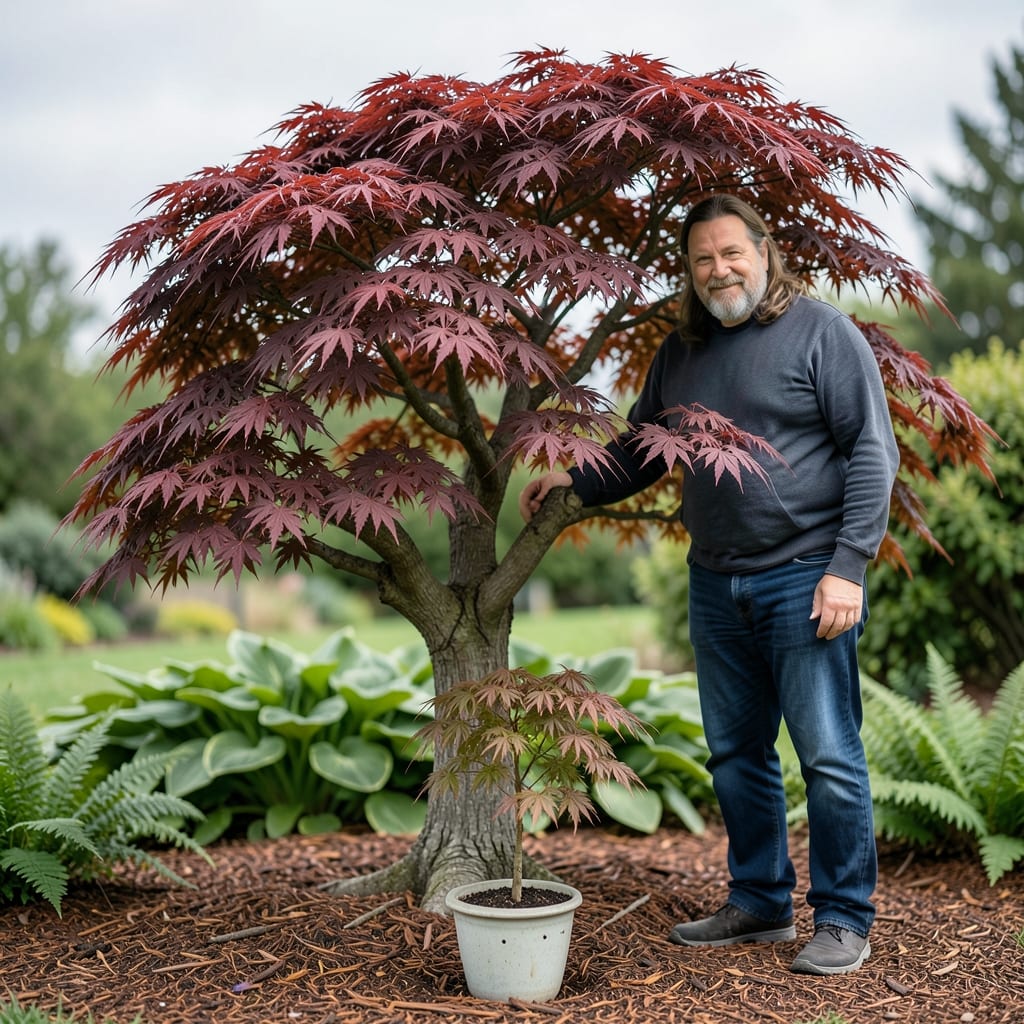
If you’ve ever dreamed of how tall a Japanese Maple tree can grow adding drama to your garden, you’re probably wondering just how big it can get—because the answer isn’t one-size-fits-all. Some varieties stay compact enough for a small yard, while others stretch toward the sky like a natural skyscraper. The truth? Your tree’s height depends on the cultivar you choose, where you plant it, and how you care for it.
Picture this: a dwarf Japanese Maple like ‘Dragon’s Blood’ stays under 5 feet, perfect for a container or as a striking accent plant. But flip the script with a ‘Bloodgood’—this one can tower over 30 feet, casting shade like a mature oak. The difference? Variety, soil, and a little pruning know-how. I’ll break down the exact heights to expect and how to keep your tree at your ideal size.
Location matters too. In cooler climates like USDA Zone 6a, your Japanese Maple might grow slower but reach its full potential over time. Meanwhile, warmer zones could speed up growth—unless you’re dealing with poor soil or neglect. I’ll share the secrets to controlling height, whether you want a 6-foot statement piece or a 30-foot centerpiece.
Ready to transform your space? Let’s dive into the varieties, care tips, and pruning tricks that’ll help you grow the perfect Japanese Maple—no matter how tall (or short) you want it to be. Your garden’s future is just a few cuts and a little patience away.


Japanese maple tree height by variety: small to giant growth ranges
Japanese maples (Acer palmatum) are famous for their stunning foliage and compact forms, but their mature height can vary dramatically depending on the variety. Some stay small enough for containers, while others become towering shade trees. The key is choosing the right cultivar for your space—whether you want a 3-foot bonsai-style tree or a 30-foot specimen. Let’s explore the height ranges of popular varieties to help you decide.
Dwarf varieties like 'Dragon’s Blood' and 'Little Princess' top out at just 3-5 feet, making them perfect for patios or small gardens. These varieties grow slowly and maintain their compact shape with minimal pruning. Meanwhile, standard varieties like 'Bloodgood' and 'Emperor I' can reach 25-35 feet when planted in optimal conditions, providing dramatic shade and year-round interest.
Here’s a quick comparison of some of the most popular Japanese maple varieties and their mature heights:
| Variety | Mature Height | Growth Rate | Best For |
|---|---|---|---|
| 'Dragon’s Blood' | 3–5 ft | Slow | Containers, patios |
| 'Little Princess' | 4–6 ft | Slow | Small gardens, bonsai |
| 'Crimson Queen' | 6–8 ft | Moderate | Borders, medium gardens |
| 'Bloodgood' | 25–35 ft | Fast | Shade trees, large yards |
| 'Emperor I' | 20–25 ft | Moderate | Specimen planting |
| 'Shishigashira' | 8–12 ft | Slow | Ornamental focal points |
| 'Tamukeyama' | 10–15 ft | Moderate | Small to medium gardens |
If you’re working with limited space, dwarf or semi-dwarf varieties are your best bet. For example, 'Dragon’s Blood' stays under 5 feet, while 'Crimson Queen' reaches 6-8 feet—ideal for adding color to garden beds without overwhelming the space. On the other hand, if you’re planting in a large yard or as a shade tree, varieties like 'Bloodgood' or 'Emperor I' will thrive and provide long-term beauty.
One common misconception is that all Japanese maples grow slowly. While many do, some faster-growing varieties can add 1-2 feet per year in ideal conditions. For instance, 'Bloodgood' can grow up to 2 feet annually when given rich soil and full sun. This means a 5-year-old 'Bloodgood' could already be 10 feet tall, so plan accordingly if you’re planting near structures or power lines.
For container gardening, stick to dwarf varieties like 'Little Princess' or 'Dragon’s Blood'. These thrive in 15-20 gallon pots and can be moved around your patio or balcony to follow the sun. Just ensure the container has drainage holes and use a well-draining potting mix to prevent root rot. Even these small varieties benefit from occasional pruning to maintain their shape and encourage bushier growth.
If you’re unsure which variety to choose, consider your garden’s microclimate and available space. A 3-foot tree in a container will never become a 20-foot shade provider, but a 25-foot variety planted in a small yard could quickly outgrow its welcome. Always check the mature height range before purchasing, and don’t hesitate to ask your local nursery for recommendations based on your specific growing conditions.
Finally, remember that height isn’t the only factor to consider. Some varieties, like 'Shishigashira', have a unique, rounded growth habit that makes them stand out even at smaller sizes. Others, like 'Bloodgood', develop a more upright form, making them better suited for taller hedges or shade screens. Choose a variety that aligns with both your space and your aesthetic goals.
🌿
How soil conditions and climate affect Japanese maple tree height
Your Japanese maple tree won’t reach its full mature height potential unless you pay attention to soil conditions and climate factors. These elements can either stunt growth or accelerate it by up to 50%, depending on your region and care routine. Let’s break down how each factor plays a role in determining whether your tree stays compact or towering.
First, soil pH is critical—Japanese maples thrive in slightly acidic soil (pH 5.0–6.5). If your soil is too alkaline (pH 7.0+), nutrient uptake suffers, limiting height growth. A simple soil test can reveal whether you need to amend your soil with peat moss or sulfur to create the ideal environment for your tree’s roots.
Next, drainage makes a huge difference. Poor drainage leads to root rot, which weakens the tree and slows its growth. Ensure your planting site has well-draining soil or consider planting in a raised bed if your native soil is heavy clay. Even a 10% improvement in drainage can boost height growth by 3-5 feet over a decade.
| Factor | Ideal Condition | Effect on Height |
|---|---|---|
| Soil pH | 5.0–6.5 (acidic) | Optimal nutrient uptake; full height potential |
| Drainage | Well-draining, no waterlogging | Prevents root rot; 3-5 ft growth boost over 10 years |
| Sunlight | 4–6 hours of dappled sun | Balanced growth; too much sun = stunted growth |
| Climate Zone | USDA Zones 5–9 | Warmer zones (Zone 8-9) = faster growth; colder zones (Zone 5-6) = slower growth |
| Watering | Consistent moisture (deep watering) | Drought stress reduces height by 20-30% |
Don’t overlook sunlight exposure, either. While Japanese maples prefer partial shade, they need at least 4-6 hours of dappled sunlight daily to grow vigorously. Too much direct sun can scorch leaves and limit height, while too little shade slows growth entirely. If you’re in a hot, dry climate, consider providing afternoon shade with a light fabric shade cloth.
Climate zone also plays a surprising role in height. Trees in warmer USDA Zones 8-9 grow 20-30% faster than those in cooler Zones 5-6. For example, a 'Bloodgood' Japanese maple might reach 25-30 feet in Zone 8 but only 18-22 feet in Zone 6 due to slower spring growth. If you’re in a colder zone, mulching heavily in fall can protect roots and encourage faster growth in warmer months.
Finally, watering habits directly impact height. Japanese maples prefer consistent moisture but hate soggy roots. Overwatering or underwatering can stunt growth by 20-30%. Aim for deep watering 1-2 times per week during dry spells, and always water in the morning to reduce evaporation. In containers, check soil moisture daily—dwarf varieties like 'Crimson Queen' dry out faster than larger trees.
By tweaking just a few of these factors, you can maximize your Japanese maple’s height potential—whether you want a compact centerpiece or a stately shade tree. Start with a soil test and adjust your care routine based on your local climate. Your tree will thank you with vibrant foliage and robust growth! 🌿