
Trees
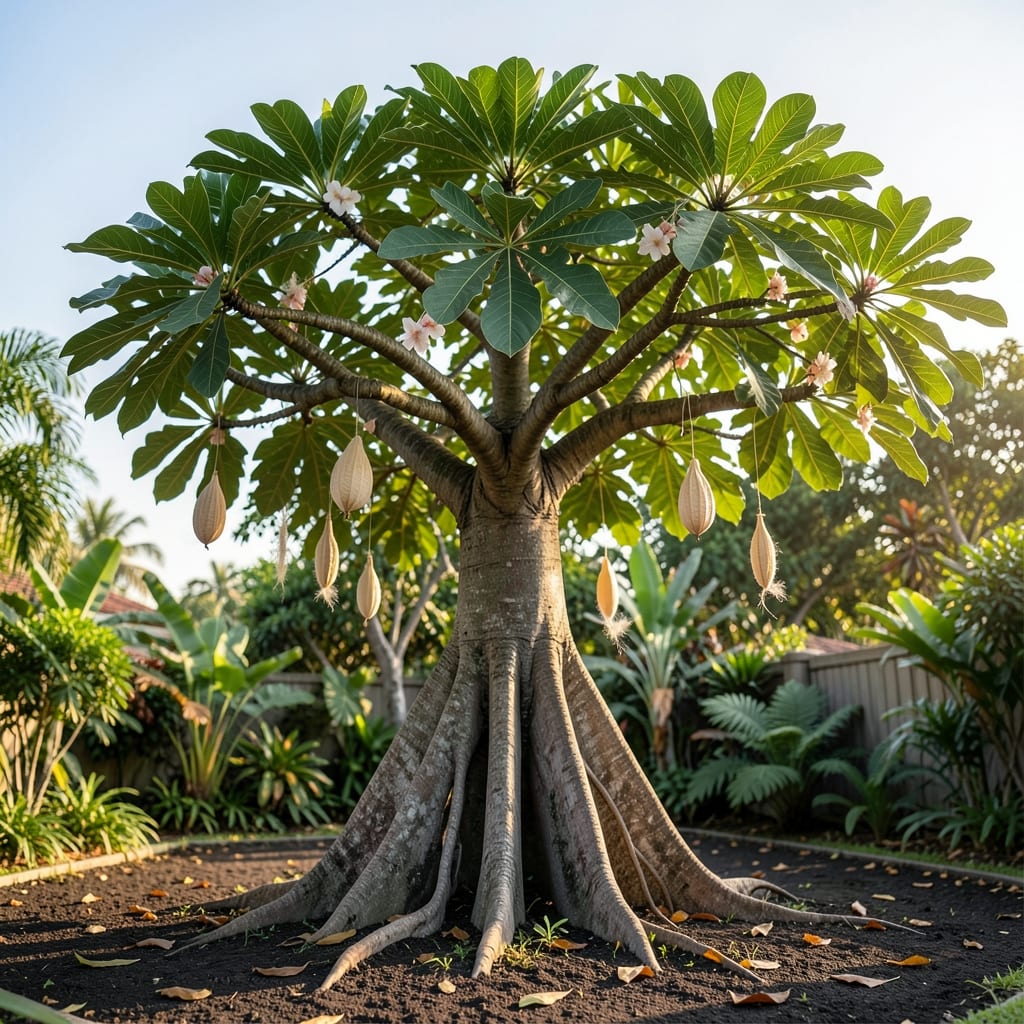
If you’ve ever wondered how tall a kapok tree can grow, the answer might just blow your mind—this tropical giant isn’t just tall, it’s legendarily tall, with some specimens stretching over 200 feet into the sky.
But how does a kapok tree reach such staggering heights, and what does it take to grow one? Whether you’re a gardener in the tropics or just fascinated by nature’s giants, understanding its growth potential is key. From its ideal climate in USDA Zones 10–12 to the patience required for its slow-but-steady ascent, we’ll break down everything you need to know.
The kapok tree isn’t just a towering spectacle—it’s also a resilient survivor, thriving in full sun and well-drained soil. Yet, despite its grandeur, it’s not the easiest tree to cultivate outside its native tropical and subtropical regions. Let’s explore why some kapok trees soar while others stay grounded, and whether you could ever grow one in your own backyard.
Ready to discover the secrets behind this rainforest colossus? You’ll learn how long it takes to reach maturity, the challenges of nurturing one, and why its height makes it one of nature’s most impressive engineering feats. Let’s get started!


Kapok tree height limits: record-breaking heights & natural growth factors
The kapok tree (Ceiba pentandra) is a true titan of the tropical world, with some individuals reaching staggering heights of 200 feet or more. These giants dominate rainforest canopies, often becoming the tallest trees in their ecosystems. In ideal conditions, kapok trees can grow 10–15 feet per year during their most vigorous years, though growth slows as they mature.
While 200 feet is the documented maximum, most kapok trees in the wild reach 60–150 feet, depending on their environment. For comparison, the African baobab and eucalyptus also grow tall, but kapok trees often surpass them in height due to their rapid early growth and adaptive root systems.
Genetics play a significant role in height potential, but climate and soil quality are equally critical. Trees in humid, lowland tropical regions with rich, well-drained soil tend to grow taller than those in drier or nutrient-poor areas. Even within the same species, regional variations can lead to differences of 50+ feet in mature height.
Did You Know? The tallest kapok trees are often found in South America and Southeast Asia, where they thrive in USDA Zones 10–12. These regions provide the consistent warmth, high humidity, and abundant rainfall that fuel their skyward growth.
| Factor | Impact on Height | Optimal Conditions |
|---|---|---|
| Genetics | Determines max potential (60–200 ft) | Native tropical seed sources |
| Climate | Warmer = faster growth (10–15 ft/year) | USDA Zones 10–12, 70°F+ avg |
| Soil | Poor soil = stunted growth (under 60 ft) | Well-drained, slightly acidic (pH 5.5–6.5) |
| Water | Drought slows growth; flooding kills roots | Consistent moisture (568–757L/week) |
| Sunlight | Less sun = shorter, bushier trees | Full sun (6+ hours daily) |
The root system of a kapok tree is another key factor in its height. These trees develop deep, extensive roots that anchor them firmly and access nutrients from deep soil layers. This stability allows them to withstand tropical storms while continuing to grow upward, often outpacing competitors like mahogany or teak in the same ecosystem.
Interestingly, kapok trees in cultivated settings, such as plantations, rarely reach their full height potential. This is due to pruning for timber or fiber production, which redirects energy toward trunk thickness rather than height. In the wild, unobstructed growth leads to the record-breaking specimens we admire.
If you’re dreaming of growing a kapok tree, remember that patience is key. Even under perfect conditions, it takes decades to reach maturity. The first 20 years are critical, as the tree establishes its root system and trunk. After that, growth continues, but at a slower, steady pace toward its genetic height limit.
For those in non-tropical climates, achieving even half the height of a wild kapok tree is a remarkable feat. With the right care—full sun, warm temperatures, and well-drained soil—your kapok tree could still become a local landmark, even if it never touches 200 feet.
🌳
How long does it take for a kapok tree to reach maximum height?
The kapok tree’s journey from a tiny seedling to a towering rainforest giant is a marathon, not a sprint. In its first year, you can expect a sapling to grow just 5–10 feet, but don’t let the slow start fool you—this tree is built for endurance. By year 3, with ideal conditions, it can surge to 30–50 feet, and by year 20, many kapok trees stand proudly at 50–70 feet.
Here’s where things get fascinating: the real growth explosion happens between years 10–30. During this phase, a kapok tree in perfect conditions—USDA Zones 10–12, full sun, and rich soil—can add 10–15 feet per year. That means by age 30, your tree could already be 100+ feet tall, rivaling many mature oak trees.
But here’s the catch: growth slows dramatically after 50 years. While younger trees race toward the sky, older kapok trees add just 1–3 feet annually. This is why the 200-foot record-breakers take 70–100 years to reach their full height. Patience truly is a virtue when growing kapok trees!
- 1 Year 1–3: 5–50 ft (slow start, root establishment)
- 2 Years 10–20: 50–100 ft (growth accelerates to 10–15 ft/year)
- 3 Years 30–50: 100–150 ft (growth slows to 3–5 ft/year)
- 4 Years 70–100: 150–200 ft (minimal growth, mature phase)
The first 20 years are the most critical for determining a kapok tree’s future height. During this period, its root system expands deeply, and its trunk thickens to support future growth. Nutrient-rich soil and consistent rainfall during these years can make the difference between a 100-foot giant and a 60-foot underachiever.
Many gardeners mistakenly believe kapok trees grow rapidly like bamboo, but this couldn’t be further from the truth. While bamboo can shoot up 3 feet in a day, kapok trees grow at a steady, predictable pace. This makes them far more manageable for long-term planning—just don’t expect instant gratification!
If you’re growing a kapok tree in non-tropical climates, like Florida or Southern California, you’ll need to adjust expectations. Even with optimal care, growth rates may halve due to cooler temperatures or seasonal droughts. That said, with year-round warmth and protection from frost, you can still coax a kapok tree to 60–100 feet over 50–70 years.
🌱