
How To
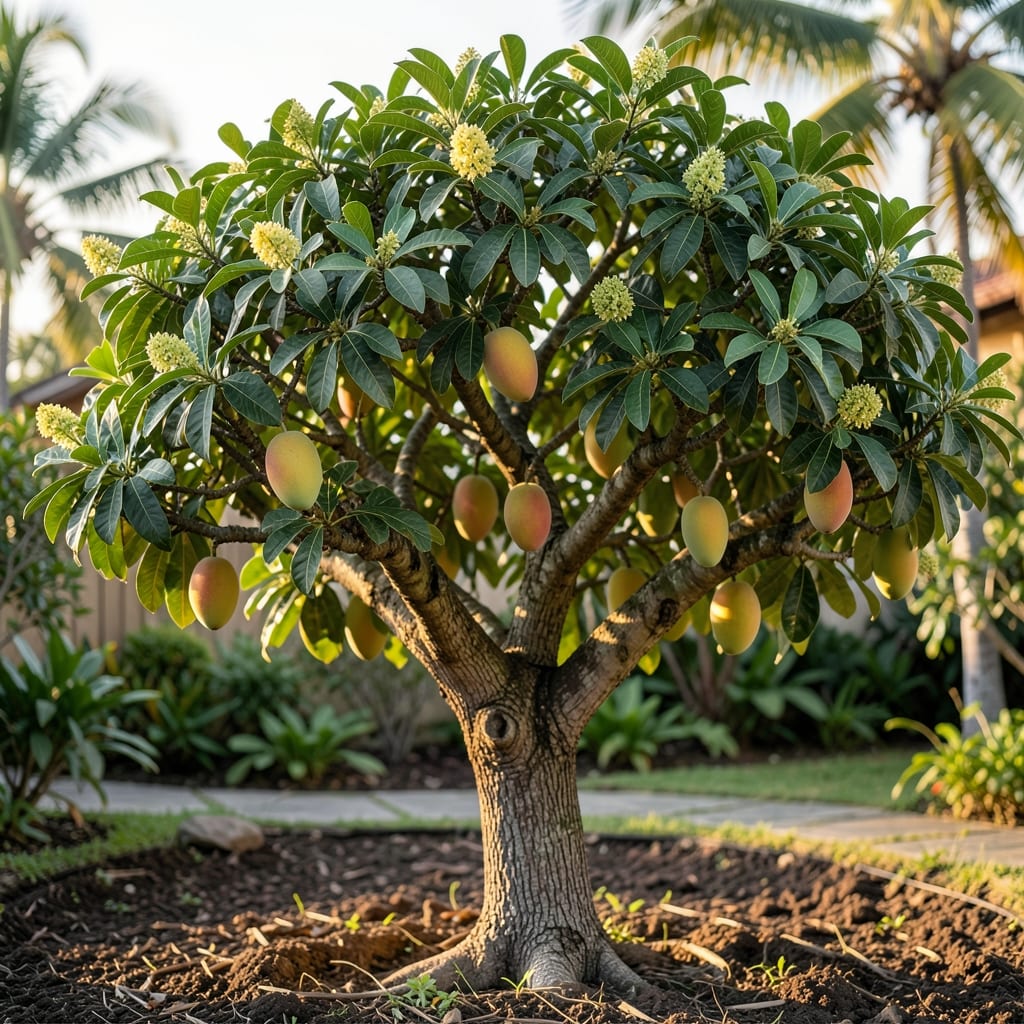
Ever wondered how tall a mango tree can grow if you planted one today? The answer might surprise you—some varieties stretch toward the sky like a tropical skyscraper, while others stay compact enough for even small yards.
If you're dreaming of a backyard mango grove, knowing the right height range for your Mango Tree is the first step. Whether you're in USDA zones 10-11 or just curious about tropical gardening, understanding growth patterns helps you plan for space, sunlight, and even pruning needs.
From dwarf varieties that top out at 10 feet to monster trees reaching 100 feet, the possibilities are wide. I’ll break down the factors that influence height—like climate, soil, and pruning—so you can choose the perfect variety for your space and goals.
Ready to discover which mango trees fit your yard (and which need a second thought)? Let’s dive into the sky-high world of mango growth—where every variety has its own story to tell.


Mango tree height by variety: from dwarf to giant species
When planning your mango tree dream garden, size matters—especially if you're working with limited space. Mango trees can range from compact dwarf varieties under 10 feet to towering giants reaching over 100 feet tall. The variety you choose directly impacts how much room you'll need and whether you can grow one in your backyard or only in a tropical orchard.
Most standard mango trees mature between 20 and 40 feet, making them ideal for large properties in warm climates. However, some tropical giants like the 'Alphonso' variety can soar to heights of 50 to 100 feet, while others like 'Keitt' stay more manageable at 25 to 35 feet. The key is matching your space and climate to the right cultivar.
Dwarf mango trees (10-15 feet) are perfect for containers or small urban gardens. These are often grafted varieties, like 'Cogshall' or 'Julie', which produce fruit earlier and require less pruning. If you're in a cooler subtropical zone, these are your best bet for success.
| Variety | Mature Height | Growth Rate | Best For |
|---|---|---|---|
| 'Cogshall' (Dwarf) | 10–15 ft | Slow to moderate | Containers, small gardens |
| 'Julie' (Dwarf) | 12–18 ft | Moderate | Urban yards, patios |
| 'Keitt' | 25–35 ft | Moderate | Large backyards, orchards |
| 'Alphonso' | 50–100 ft | Fast | Tropical orchards, rural areas |
| 'Kent' | 30–50 ft | Fast | Subtropical climates, large properties |
Note: Height varies with pruning and climate. Dwarf varieties may grow taller in ideal conditions.
If you're growing mangoes in USDA zones 10-11, you'll find that tropical varieties like 'Alphonso' or 'Kent' thrive and reach their maximum heights. In cooler subtropical zones (like parts of Florida or California), semi-dwarf varieties like 'Keitt' or 'Haden' are more practical and still produce abundant fruit without overwhelming your space.
For container growing, stick to dwarf or semi-dwarf varieties like 'Cogshall' or 'Julie'. These can be grown in large pots (at least 20 gallons) and moved indoors during frost warnings. Just remember: even dwarf mango trees need full sun exposure and well-draining soil to prevent root rot.
One common misconception is that all mango trees grow to 100 feet. While some wild or uncultivated trees can reach this height, most cultivated varieties are bred for manageable sizes. For example, the 'Haden' mango, a popular choice in Florida, typically stays between 20 and 30 feet tall with proper pruning.
When selecting a mango tree, consider not just height but also fruit production time. Dwarf varieties often bear fruit in 3-5 years, while standard trees may take 5-7 years to mature. If you're impatient for that first harvest, a dwarf variety is your best bet.
Another factor is root spread. Even dwarf trees can have roots that extend 2-3 times their canopy width. This means you'll need to plant them far enough from fences, sidewalks, or other structures to avoid damage as they grow.
For those in urban settings, consider espalier training for standard varieties. This technique involves pruning and shaping the tree against a wall or trellis, allowing you to grow a 30-foot tree in a space where it would otherwise take up too much room.
No matter which variety you choose, remember that pruning plays a huge role in controlling height. Regular pruning not only keeps your tree manageable but also improves air circulation and fruit quality. We’ll dive deeper into pruning techniques in the next section!
Climate and soil factors that limit mango tree growth
Mango trees thrive in tropical and subtropical climates, where warm temperatures and high humidity fuel their rapid growth. In ideal conditions, these trees can reach 50–100 feet tall, but cooler climates or poor soil drastically stunt their height. For example, a 'Keitt' mango in Florida may grow 30–40 feet, while the same variety in California’s coastal regions might max out at 20 feet due to milder winters.
The USDA Zones 10–11 are perfect for mango trees, offering year-round warmth. Outside these zones, even dwarf varieties struggle to mature past 10 feet. Frost is the ultimate growth killer—just one night below 32°F can damage leaves and stunt growth permanently. In colder regions, container-grown mangoes survive indoors but rarely exceed 15 feet.
Key Takeaway: Climate Controls Height
🌡️ Temperature: Ideal: 75–90°F year-round. Below 50°F stunts growth.
🌬️ Humidity: 60%+ required; drought stress reduces height by 30–50%.
🌱 Soil Depth: Needs 4–6 feet of deep, well-draining soil for root expansion.
❄️ Frost Risk: Any frost = permanent growth halt; container trees in Zone 9+ need winter protection.
Soil composition plays a critical role in determining how tall your mango tree grows. These trees demand well-draining, slightly acidic soil (pH 5.5–7.0). Compact or clay-heavy soils restrict root growth, limiting height to under 20 feet. Amend native soil with compost and sand to improve drainage—this alone can boost a tree’s potential height by 10–15 feet. In urban gardens, raised beds with organic matter help mimic tropical conditions, even in less-than-ideal climates.
Another hidden factor is wind exposure. Strong winds can physically stunt growth by damaging young branches, while sheltered locations encourage straighter, taller trunks. For example, mango trees in Hawaii’s leeward coasts often exceed 60 feet due to ideal wind patterns, whereas those in open Florida fields may max out at 40 feet. If you’re growing a mango in a container, choose a spot with morning sun and afternoon shade to balance growth and stress.
Water availability also indirectly affects height. While mango trees are drought-tolerant once established, young trees need consistent moisture to reach their full potential. Water stress in the first 3 years can reduce mature height by up to 25%. In regions with seasonal dry spells, like Southern California, deep watering every 5–7 days during summer is non-negotiable for maximizing height.
Finally, elevation matters. Trees grown at sea level (e.g., Florida or Southeast Asia) achieve their maximum heights, while those at higher elevations (1,000+ feet) may only reach 30–50 feet. If you’re planting a mango in a mountainous area, select cold-hardy varieties like 'Cogshall' and expect a shorter, bushier tree rather than a towering giant.