
Succulent
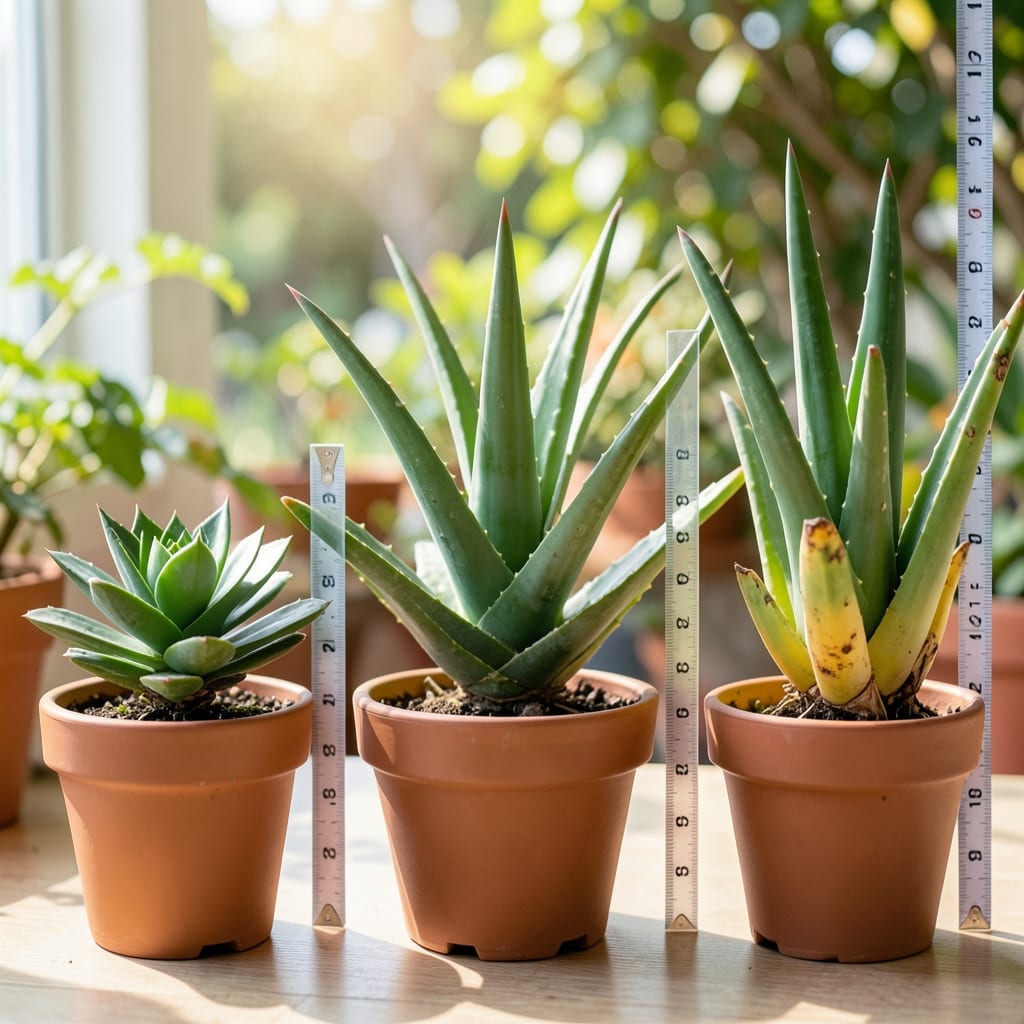
If you’ve ever wondered just how tall your 🌵 succulent could grow, the answer might surprise you—some stay tiny enough for a windowsill, while others stretch taller than your ceiling! The height of a succulent isn’t just luck; it’s all about the species, care, and even where you plant it.
Picture this: a Haworthia might never top 1 foot, while an Agave can reach 10 feet or more with the right conditions. Whether you’re a beginner or a seasoned gardener, knowing these differences helps you choose the perfect plant for your space—and avoid a toppling tower in your living room.
In this guide, I’ll break down the height ranges of popular succulents, from dwarf varieties to towering giants, and share the key factors that control their growth. You’ll also learn how to manage their size, whether you want a compact desk plant or a dramatic vertical statement.
Ready to discover which succulents will stay small and which could one day outgrow your garden? Let’s dive in!


Succulent height ranges by species: from tiny to tree-like giants
Succulents are famous for their compact, low-maintenance charm—but did you know some species grow tall enough to shade your patio? The height range varies wildly, from Haworthia (palm-sized) to Aloe dichotoma (30+ feet!). Let’s break down the height spectrum so you can pick the perfect plant for your space.
Most succulents fall into three height categories: dwarf (under 1 ft), medium (1-3 ft), and tall (3-10+ ft). Your choice depends on whether you want a desk companion or a statement plant that anchors your garden. Here’s how to match species to your vision.
🌵
| Category | Height Range | Examples | Growth Time |
|---|---|---|---|
| Dwarf | 0.1–1 ft | Echeveria, Haworthia, Lithops | 1–3 years |
| Semi-Dwarf | 1–3 ft | Jade Plant, Aloe vera, Snake Plant | 3–5 years |
| Standard | 3–10 ft | Agave, Yucca, Paddle Plant | 5–10+ years |
| Giant | 10–30+ ft | Aloe dichotoma, Beaucarnea recurvata | 10–20+ years |
Dwarf succulents like Echeveria are perfect for windowsills or terrariums, while Agave and Yucca thrive as bold outdoor accents. The quiver tree (Aloe dichotoma), native to South Africa, can reach 30 feet in arid climates—making it a living sculpture for desert landscapes.
If you’re growing succulents in containers, height is easier to control. Root-bound plants often stunt growth, while those in large pots may grow taller. For outdoor gardens, light exposure and space become critical—tall varieties need room to spread their roots and anchor their weight.
Some gardeners prune tall succulents to manage height, but this can reduce flowering. For example, Aloe vera may bloom at 3–5 feet tall, but cutting it back too early delays this spectacle. Balance aesthetics with the plant’s natural growth cycle.
🌿
Pro tip: Check a succulent’s mature height before buying. A 3-foot Jade Plant in a tiny pot will outgrow its space quickly, while a 1-inch Lithops will stay cute forever. Always plant with future growth in mind—especially in small apartments or urban gardens.
For indoor growers, tall varieties like Dracaena marginata (dragon tree) can add vertical interest, but they require bright light and regular pruning to stay manageable. In contrast, sedum morganianum (burro’s tail) stays compact but trails beautifully—ideal for hanging pots.
🪴
What determines a succulent’s height: 5 key factors you control
Your succulent’s height isn’t just luck—it’s a mix of genetics, care habits, and environmental factors. Even the same species can grow wildly different heights based on what you provide. For example, a Jade Plant might stay compact at 3 feet in a small pot but stretch toward 10 feet if given space and ideal conditions. Let’s break down the top 5 factors that shape your succulent’s vertical destiny.
First up: species genetics. Some succulents are hardwired for height. Take the Agave americana, which can reach 10–15 feet in the wild, or the Pachypodium lamerei, a Madagascar native that grows 15–20 feet tall with a single trunk. On the flip side, Haworthia and Echeveria varieties rarely exceed 1 foot unless you’re growing them in unusual conditions. Knowing your plant’s heritage is step one to setting realistic height expectations.
Pro tip: If you’re growing tall succulents indoors, rotate your pots quarter-turns weekly to prevent leaning. For outdoor varieties, mulch with gravel or coarse sand to improve drainage and reduce humidity around the base, which can cause stem rot in heavy species like Aloe. Even small tweaks to these factors can turn a 3-foot Jade Plant into a 10-foot statement piece—or keep your Echeveria at a manageable 6 inches.
Remember, every succulent has a growth ceiling based on its species, but you hold the keys to how close it gets to that limit. Start with the right pot, light, and watering routine, then fine-tune with pruning and seasonal adjustments. With these tools, you’ll grow succulents that match your space—and your vision—perfectly. 🌱