
Size
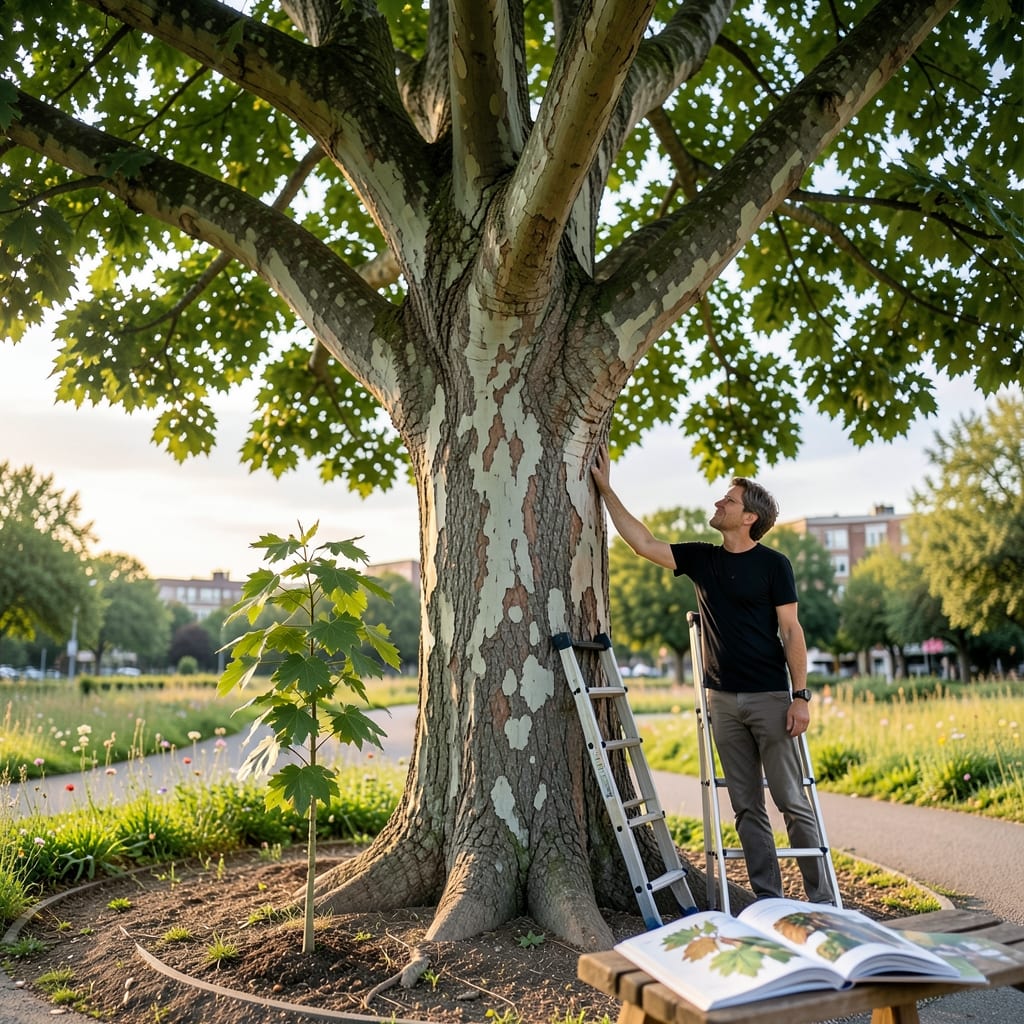
If you've ever wondered how tall can a sycamore tree grow, the answer might surprise you—these stately giants can reach heights that make skyscrapers look like shrubs. The American sycamore (Platanus occidentalis), for example, often stretches between 70 and 120 feet, with some mature specimens soaring even higher in ideal conditions. That’s taller than a 10-story building, making them a breathtaking addition to any landscape.
But here’s the catch: not all sycamores hit these towering heights. Their growth depends on factors like climate, soil quality, and even the specific variety you plant. In USDA Zone 6a, where spring planting is ideal, sycamores may grow slightly slower but still reach impressive sizes over time. Whether you’re planning a backyard oasis or an urban park, understanding these growth patterns is key to maximizing their potential.
Curious about how to encourage your sycamore to reach its full height? The secret lies in proper care—think well-draining soil, ample space, and strategic pruning. We’ll break down the best practices to help your tree thrive, from planting in April or May to managing its size as it matures. Let’s dive into what makes these trees grow so tall—and how you can nurture one of your own.
From record-breaking specimens to practical tips for gardeners, this guide covers everything you need to know about sycamore tree heights. Whether you’re dreaming of a shade canopy or just admiring nature’s skyscrapers, you’ll find out how to give your sycamore the best chance to grow into a true giant.

Sycamore tree height records by variety: from small to towering giants
Sycamore trees are nature’s skyscrapers, and their height varies dramatically depending on the species and growing conditions. The American sycamore (Platanus occidentalis), native to the eastern U.S., typically reaches 70 to 100 feet at maturity, with some champion trees soaring over 120 feet. In contrast, the London planetree (Platanus × acerifolia), a hybrid often planted in urban areas, usually tops out between 60 and 90 feet. Meanwhile, the Oriental sycamore (Platanus orientalis) from Europe and Asia tends to stay shorter, averaging 50 to 70 feet.
These differences aren’t just about genetics—they’re also shaped by climate zones and soil quality. In USDA Zone 6a, where frost-free days average 165 days, sycamores may grow slightly slower but still reach impressive heights given time. Meanwhile, in warmer zones like Zone 9, they can grow faster and taller, with some American sycamores documented at 138 feet—taller than a 12-story building!
🌳
| Variety | Average Height | Maximum Recorded Height | Best Climate Zones | Growth Rate (First 10 Years) |
|---|---|---|---|---|
| American Sycamore (Platanus occidentalis) | 70–100 ft | 138 ft (Champion Tree, NC) | USDA Zones 4–9 | 3–5 ft/year |
| London Planetree (Platanus × acerifolia) | 60–90 ft | 100 ft (Urban Specimens) | USDA Zones 5–8 | 2–4 ft/year |
| Oriental Sycamore (Platanus orientalis) | 50–70 ft | 80 ft (Rare Specimens) | USDA Zones 6–9 | 1–3 ft/year |
The American sycamore holds the record for tallest sycamore, with the champion tree in North Carolina standing at a staggering 138 feet. This tree, located near a riverbank, benefited from rich, moist soil and full sunlight, conditions that accelerate growth. In contrast, urban London planetrees often face space constraints, limiting their height to 60–80 feet unless given ample room to spread their roots.
If you’re planting a sycamore in Zone 6a, expect slower initial growth—only 2–4 feet per year in the first decade—but with patience, your tree can still reach 70+ feet over 30–40 years. The key is providing well-draining soil and consistent moisture, especially during the critical spring planting window (April–May).
For gardeners in warmer zones (7–9), growth rates can double, with some sycamores adding 5–7 feet annually. However, rapid growth requires vigilant care, including regular pruning to remove weak branches and monitoring for anthracnose disease, which can stunt height if left unchecked.
🌿
Choosing the right variety for your space is crucial. If you have limited yard space, the Oriental sycamore is a safer bet, while the American sycamore is ideal for rural properties or parks. Always check local tree ordinances before planting—some cities restrict large trees to prevent root damage to sidewalks or foundations.
Ready to grow a sycamore? Start by selecting a healthy 1–2 year-old sapling and planting it in full sun. With the right care, your tree could one day rival the record-breaking giants—and become the centerpiece of your landscape.
Factors that determine how tall a sycamore tree can grow
When it comes to how tall can a sycamore tree grow, genetics set the foundation—but environmental factors do the heavy lifting. The American sycamore, for example, has the potential to reach 120+ feet, but only if given the right conditions. Soil quality is your first critical lever: sycamores thrive in loamy, well-draining soil with a pH between 6.0 and 7.5. Compacted or waterlogged soil can stunt growth by 30–50%, forcing the tree to divert energy to root struggles instead of height.
Sunlight is another game-changer. Sycamores demand full sun (6+ hours daily) to reach their maximum height. In shady conditions, growth slows dramatically—sometimes by half—resulting in trees that max out at 40–60 feet instead of their full potential. Even partial shade can limit height, so always plant sycamores in open, sunny areas, away from tall buildings or dense foliage.
🌿
- 🌱 1. Soil Quality: Rich, well-draining soil with organic matter accelerates growth by 2–3 feet/year in ideal conditions.
- ☀️ 2. Sunlight Exposure: Full sun (6+ hours) maximizes height; shade reduces potential by up to 50%.
- 💧 3. Water Availability: Deep watering 2–3 times/week in dry spells boosts growth; drought stress can halt height gains.
- ✂️ 4. Pruning Practices: Strategic pruning removes weak branches and directs energy upward, adding 1–2 feet/year.
- 🌡️ 5. Climate Zone: Warmer zones (USDA 7–9) enable 5–7 feet/year growth; cooler zones (Zone 6a) slow growth to 2–4 feet/year.
Water plays a surprising role too. While sycamores are drought-tolerant once established, young trees need deep, consistent watering to fuel rapid growth. In arid climates, supplementing with mulch (3–4 inches) retains moisture and can add 1–2 extra feet of height over a decade. Neglect watering, and your sycamore might only reach 50–70 feet instead of its full potential.
Pruning isn’t just about aesthetics—it’s a growth hack. Removing dead or crossing branches in early spring (before bud break) redirects energy upward, helping your sycamore outcompete nearby trees for sunlight. Avoid heavy pruning in late summer or fall, as this can stunt growth by 10–20% for the following season.
Disease resistance also matters. Anthracnose, a fungal infection, can halt height growth if left untreated. Regularly inspect leaves for dark spots and treat with copper fungicide in early spring to keep your sycamore on track for maximum height. In urban areas, air pollution can further limit growth, so planting near green spaces helps mitigate this.
Finally, root competition from nearby trees or structures can shrink your sycamore’s height by 20–40%. Always plant saplings at least 30 feet away from buildings, fences, or other large trees to give roots the space they need to support towering growth.