
Size
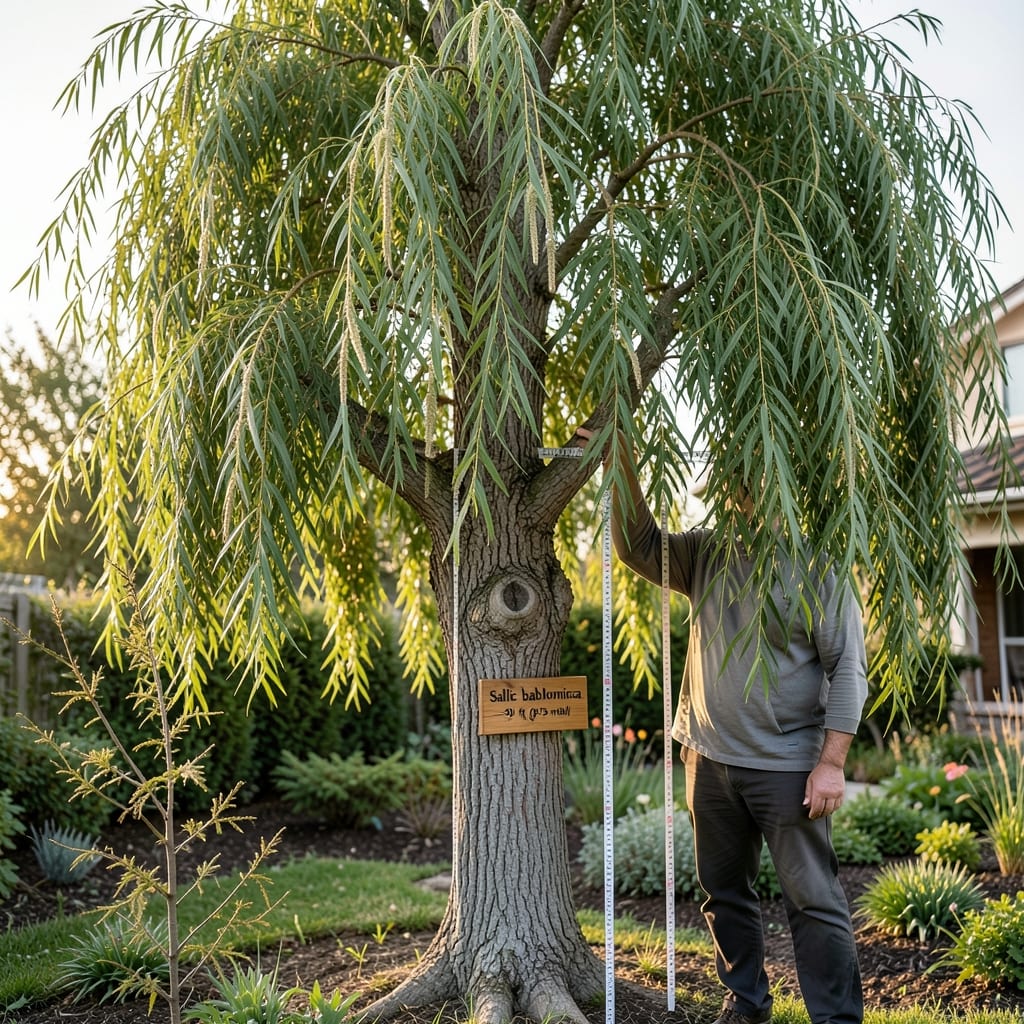
If you're curious about how tall a willow tree 🌳 can grow, the answer might surprise you—some varieties shoot up to 50 feet in just 10 years, turning your backyard into a lush, towering escape in record time.
Willow trees are nature’s fast growers, with species like the Weeping Willow reaching heights that rival small buildings. Whether you're dreaming of a privacy screen or a stunning landscape feature, understanding their growth potential is key to planning your garden.
But not all willows are created equal—some stay compact, while others become massive. I’ll break down the fastest-growing species, what influences their height, and how to manage them if space is limited.
Ready to transform your outdoor space? Let’s explore how to harness this rapid growth while keeping your garden in balance.

Willow tree height by species: fastest-growing varieties explained
Willow trees are nature's skyscrapers, with some varieties shooting up 50 feet in just 10 years. Their growth speed is legendary, but not all willows reach the same towering heights. The Weeping Willow (Salix babylonica) is the most famous, while Crack Willow (Salix fragilis) and White Willow (Salix alba) also impress with their rapid vertical expansion. Understanding these differences helps you choose the perfect willow for your space—whether you want a riverbank giant or a compact backyard shade tree.
Willow heights vary dramatically by species, with some dwarf varieties staying under 20 feet while others dwarf skyscrapers at 100 feet. The key factors influencing height are genetics, growing conditions, and pruning habits. For example, the Purple Osier Willow (Salix purpurea) typically maxes out around 20 feet, making it ideal for smaller gardens, while the Black Willow (Salix nigra) can soar to 70 feet in ideal conditions. Let's break down the fastest-growing varieties and their mature heights.
🌳 Visual Comparison: Willow Tree Heights by Species
| Variety | Mature Height | Growth Rate (First 10 Years) | Best For |
|---|---|---|---|
| Weeping Willow (Salix babylonica) | 40–50 ft | 3–5 ft/year | Riverbanks, large yards |
| White Willow (Salix alba) | 50–100 ft | 4–6 ft/year | Wetlands, parks |
| Crack Willow (Salix fragilis) | 30–50 ft | 3–4 ft/year | Moist soil, erosion control |
| Purple Osier Willow (Salix purpurea) | 10–20 ft | 1–2 ft/year | Small gardens, hedges |
| Dwarf Willow (Salix caprea 'Pendula') | 10–15 ft | 1 ft/year | Containers, bonsai |
The Weeping Willow is the most popular choice for dramatic height, often reaching 50 feet in a decade with its iconic drooping branches. If you're planting near water, this species thrives in moist soil and can even grow partially submerged in ponds or streams. For a slightly smaller but equally fast grower, the White Willow can hit 100 feet in ideal conditions, making it perfect for large landscapes or restoration projects.
On the other hand, dwarf willow varieties like Salix caprea 'Pendula' are perfect for small spaces, topping out at just 10–15 feet. These compact willows grow slowly—about 1 foot per year—but their manageable size makes them ideal for containers, bonsai, or urban gardens. If you're unsure which willow to choose, consider your space and soil moisture. Wet soil accelerates growth, while dry conditions can stunt even the fastest varieties.
One surprising fact about willow trees is their root system. Many varieties develop aggressive, spreading roots that can reach 50 feet wide or more. This is why Weeping Willows are often planted near water—they stabilize banks with their extensive roots. However, this same trait can cause problems in urban or residential areas where roots may damage foundations or sidewalks. Always check local regulations before planting near structures.
For maximum height, prioritize full sun exposure (at least 6–8 hours daily) and consistent moisture. Willow trees in USDA Zones 5–8 grow fastest, but some varieties like the Black Willow can tolerate cooler climates. If you're in a drier region, consider mulching and deep watering to encourage vertical growth. Pruning in late winter can also redirect energy upward, helping your willow reach its full potential height.
If you're planning to
Willow tree height by species: fastest-growing varieties explained
Willow trees are famous for their rapid growth, but not all species reach the same towering heights. The Weeping Willow (Salix babylonica), for example, can grow 3-4 feet per year and easily surpass 50 feet in just 10 years. Meanwhile, dwarf varieties like Pussy Willow (Salix discolor) stay compact at 10-20 feet tall, making them perfect for smaller gardens.
Understanding these differences helps you choose the right willow for your space. Fast-growing varieties like White Willow (Salix alba) or Crack Willow (Salix fragilis) can reach 60-100 feet in ideal conditions, while semi-dwarf varieties like Glaucous Willow (Salix caprea) max out around 25-35 feet. Your location and soil type also play a role in how tall your willow will grow.
🌳
| Variety | Mature Height | Growth Rate | Best For |
|---|---|---|---|
| Weeping Willow (Salix babylonica) | 40-70 ft | 3-4 ft/year | Large yards, riverbanks |
| White Willow (Salix alba) | 60-100 ft | 4-5 ft/year | Wildlife habitats, large landscapes |
| Crack Willow (Salix fragilis) | 50-80 ft | 3-4 ft/year | Urban areas, erosion control |
| Pussy Willow (Salix discolor) | 10-20 ft | 1-2 ft/year | Small gardens, containers |
| Glaucous Willow (Salix caprea) | 25-35 ft | 2-3 ft/year | Medium yards, hedges |
If you're planting a willow for privacy or shade, the Weeping Willow is a top choice due to its fast growth and dramatic height. However, its expansive root system means it needs plenty of space—at least 30 feet away from buildings or driveways to avoid damage. For smaller spaces, consider dwarf varieties like Pussy Willow, which still offer beauty without the space requirements.
Climate also impacts height. Willow trees thrive in USDA Zones 3-9 and grow fastest in moist, well-drained soil. In drier climates, their growth may slow, but they’ll still reach impressive heights given time. For example, a White Willow in a wetland could hit 100 feet, while one in a drier region might max out at 60 feet.
Before planting, check local regulations—some areas restrict willow trees due to their aggressive root systems. If you’re unsure which variety to choose, start with a semi-dwarf willow like Glaucous Willow for a balance of height and manageability.
Once established, willows require minimal maintenance to reach their full height potential. Just ensure they get full sun and consistent watering, and watch them soar!