
How To
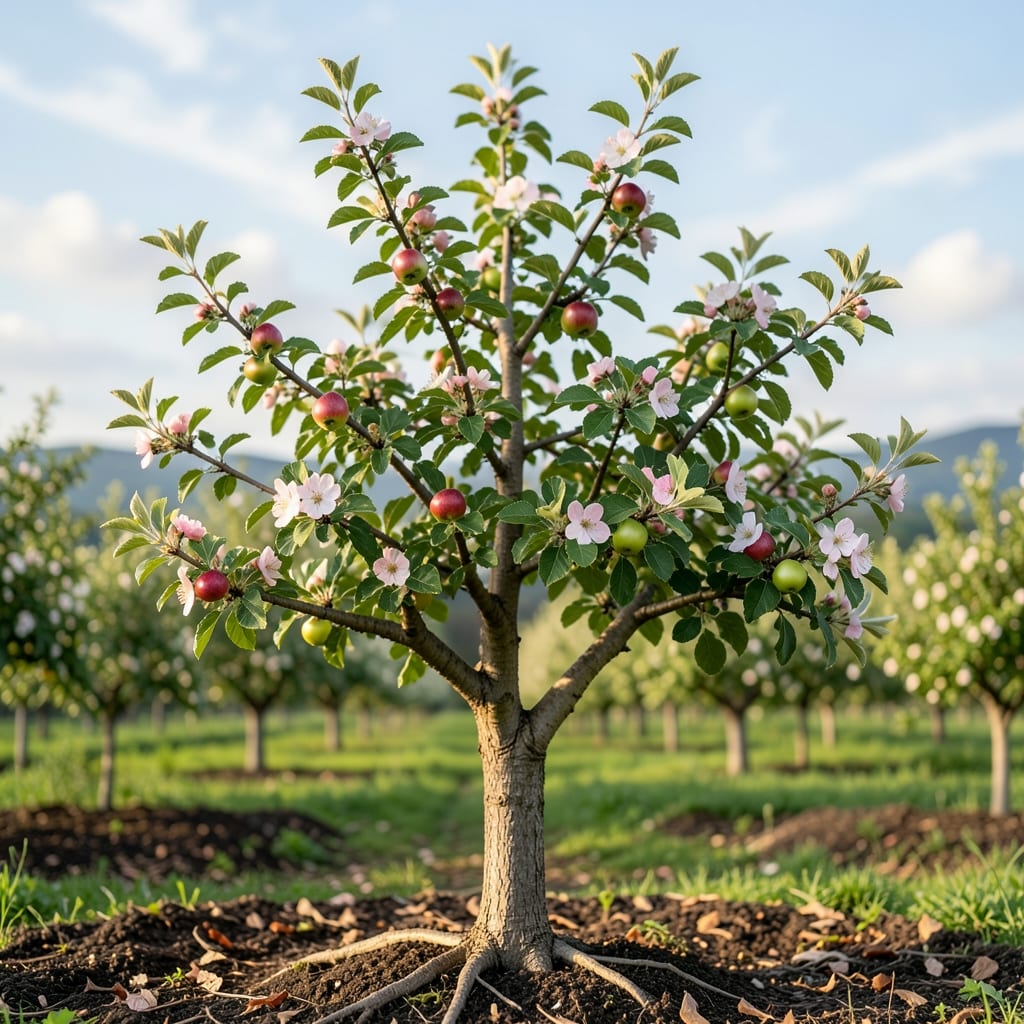
If you’ve ever wondered how tall an apple tree can grow in your backyard, the answer depends on more than just space—it’s about the variety, rootstock, and care you provide. The truth is, an apple tree’s height isn’t just about space—it’s about the variety you choose, the rootstock it’s grafted onto, and how you care for it over time.
Some apple trees stay as compact as a small shrub, perfect for containers or tight spaces, while others can stretch toward the sky like a 40-foot giant. The key lies in understanding the differences between dwarf, semi-dwarf, and standard varieties—and how pruning and environmental factors play a role in shaping their growth.
Whether you’re planning a backyard orchard or just curious about the possibilities, knowing how tall an apple tree can grow helps you make the right choices. From the 6-foot convenience of a columnar tree to the sprawling branches of a standard variety, we’ll break down what you need to know to fit the perfect tree into your space.
Let’s explore the factors that influence height, the best varieties for different goals, and practical tips to manage growth—so you can enjoy fresh apples without sacrificing your yard (or your sanity).


Apple tree height by variety: dwarf to standard to giant sizes
The height of an apple tree can vary dramatically depending on the variety and rootstock you choose. Some apple trees stay as small as 6 feet—perfect for containers or small backyards—while others can reach 40 feet or more, towering over your home like a natural skyscraper. Understanding these differences is key to selecting the right tree for your space and goals.
Most apple trees fall into three broad height categories: dwarf, semi-dwarf, and standard. Each category offers unique benefits, from easy harvesting to space-saving designs. Let’s break down the specifics so you can visualize which size fits your yard—and your lifestyle.
🍎 Visual Guide to Apple Tree Heights
| Variety Type | Mature Height | Best For | Examples |
|---|---|---|---|
| Dwarf | 6–12 ft | Containers, small yards, urban gardens | 'Columnar' (8–12 ft), 'Red Delicious' on M.9 rootstock |
| Semi-Dwarf | 12–18 ft | Backyards, family orchards, easy harvesting | 'Fuji' on MM.106, 'Gala' on M.7 |
| Standard | 20–40 ft | Large properties, commercial orchards, shade trees | 'Granny Smith', 'Jonathan', 'Golden Delicious' |
| Columnar | 8–12 ft (narrow trunk) | Small spaces, vertical gardening, balconies | 'Apple Tree Columnar' (e.g., 'Red Baron') |
| Wild/Neglected | 30–60+ ft | Forests, abandoned orchards (not cultivated) | Malus sieversii (ancestral wild apple) |
Dwarf apple trees, like those grafted onto M.9 rootstock, are the perfect choice if you’re working with limited space. These trees can be grown in large containers or tucked into tight corners of your yard. Varieties like 'Red Delicious' or 'Gala' on dwarfing rootstocks stay under 10 feet, making them ideal for urban gardeners or those with small patios.
For a balance between size and productivity, semi-dwarf varieties like 'Fuji' or 'Honeycrisp' on MM.106 rootstock hit 12–18 feet at maturity. They’re tall enough to provide shade but still manageable for homeowners who want to pick their own apples without a ladder. These are my go-to recommendations for suburban backyards!
If you have the space—and the ambition—standard apple trees like 'Granny Smith' or 'Jonathan' can grow up to 40 feet or more. These giants are stunning shade trees and produce abundant harvests, but they require careful planning. You’ll need to account for their spread (often 20–30 feet) and invest in regular pruning to keep them healthy and manageable.
Don’t overlook columnar apple trees either! These unique varieties grow tall and narrow, reaching 8–12 feet but with a trunk width of just 1–2 feet. They’re perfect for vertical gardening or squeezing into small spaces where traditional trees wouldn’t fit. Brands like 'Apple Tree Columnar' offer varieties like 'Red Baron' or 'Greenstar', which are both productive and space-efficient.
Finally, if you’re curious about the tallest apple trees in the world, look no further than wild or neglected specimens. Some ancient apple trees in forests or abandoned orchards can reach 60 feet or taller! These aren’t cultivated for fruit but are fascinating examples of how apple trees can grow when left completely unchecked.
🌳
Factors that influence apple tree height beyond variety
Apple tree height isn’t just determined by the variety you choose—rootstock, pruning practices, and environmental conditions all play critical roles. For example, a Granny Smith grafted onto M.9 rootstock will stay under 10 feet tall, while the same scion on seedling rootstock could reach 30 feet. Even with the same variety, these factors create dramatic differences in growth potential.
Your climate zone also impacts height. Trees in warmer regions (Zones 8-10) often grow faster and taller due to longer growing seasons, while those in colder zones (4-6) may mature more slowly. Soil quality matters too—nutrient-rich, well-draining soil promotes vigorous growth, while poor soil can stunt a tree’s height or lead to weak, disease-prone branches.
Don’t overlook the role of watering and sunlight. Apple trees need 6+ hours of direct sun daily to thrive, and consistent moisture (especially during the first 2-3 years) encourages strong vertical growth. Overwatering or drought stress, however, can limit a tree’s potential height by weakening its structure.
🌱
Key Factors Affecting Apple Tree Height
If you’re working with limited space, consider espalier training, which forces horizontal growth while keeping the tree’s vertical height under control. This method is perfect for urban gardens or small backyards, allowing you to grow full-sized apple varieties without sacrificing space. Just be prepared to invest time in regular pruning and training during the tree’s first 3-5 years.
For container-grown apple trees, rootstock choice is everything. Varieties like 'Columnar' or 'Patio' apples thrive in pots and rarely exceed 8 feet tall, making them ideal for patios or balconies. Just ensure your container has adequate drainage and you’re using a high-quality potting mix to prevent root bound conditions that stunt growth.
Remember, even the tallest apple trees start small. With the right combination of rootstock, pruning, and care, you can guide your tree’s growth to fit your space—whether that’s a 6-foot dwarf or a 20-foot standard specimen. The key is understanding how these factors interact long before you plant.
☀️