
Size
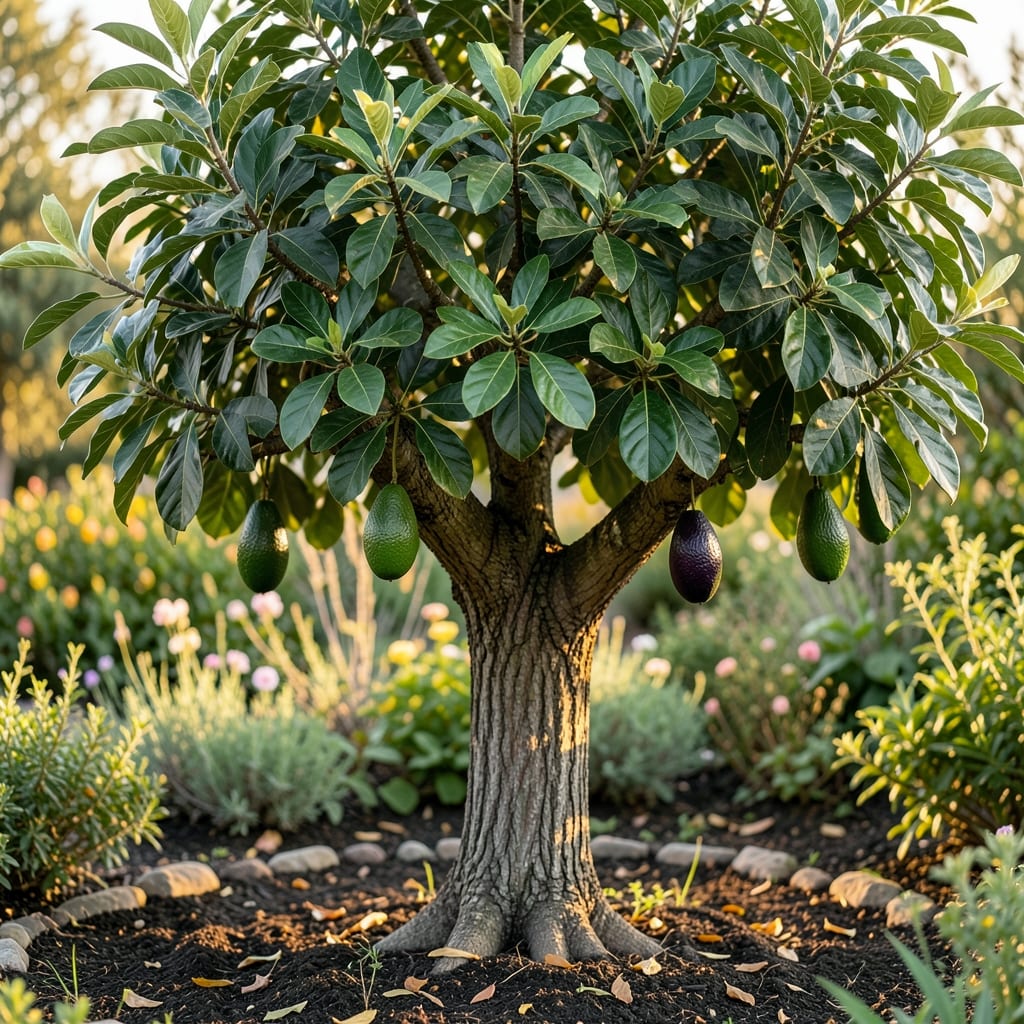
If you’ve ever dreamed of growing your own avocado tree and wondered how tall can avocado trees grow, the answer depends on the variety, climate, and care you provide—these tropical giants can range from compact patio plants to towering backyard giants. Some stay short enough for containers or small spaces, while others stretch toward the sky if left unchecked. The key factors? Variety selection, climate, and pruning. In zones 9-11, where these trees thrive, their height can vary dramatically—from just 10 feet in dwarf types to a staggering 80 feet for standard varieties.
Whether you’re planning a backyard orchard or a single potted tree, understanding these growth patterns helps you make the right choices. I’ll break down the most common varieties, how growing conditions shape their size, and simple pruning tricks to keep them manageable—no matter where you live.
Ready to find out which avocado tree fits your space? Let’s explore how to control their height while maximizing those delicious, creamy fruits.


Mature height ranges of avocado tree varieties: from dwarf to giant
Avocado trees are famous for their dramatic height variations—some varieties can tower over your house while others fit neatly on a patio. The mature height of an avocado tree depends entirely on its variety and rootstock. Standard varieties like Hass or Fuerte often reach 40-80 feet, while dwarf grafted types stay between 10-15 feet. Understanding these differences helps you choose the perfect tree for your space.
Most avocado trees sold commercially are grafted onto dwarfing rootstock to control size. The rootstock determines how compact the tree will grow, while the scion variety (the fruiting top) dictates flavor, fruit type, and growth rate. For example, a Hass scion grafted onto a Mexican dwarf rootstock will stay under 15 feet, while the same scion on a standard rootstock could exceed 60 feet.
Here’s a quick look at how popular varieties compare in height:
| Variety | Rootstock Type | Mature Height (ft) | Best For |
|---|---|---|---|
| Hass | Standard | 40-80 ft | Large yards, orchards |
| Hass | Mexican Dwarf | 10-15 ft | Containers, patios, urban gardens |
| Fuerte | Standard | 50-70 ft | Commercial orchards |
| Reed | Semi-Dwarf | 15-25 ft | Medium yards, espalier training |
| Bacon | Standard | 60-80 ft | Large rural properties |
| Wurtz | Dwarf | 10-12 ft | Small spaces, containers |
| Lamb Hass | Semi-Dwarf | 20-30 ft | Residential yards, small orchards |
If you’re growing avocados in containers, even standard varieties can be kept smaller through pruning and root restriction. However, their growth rate will slow significantly compared to in-ground trees. For example, a Hass in a 15-gallon pot might only reach 10-12 feet in 10 years, while the same tree in the ground could hit 30 feet.
Some varieties, like the Mexican avocado (Persea americana var. drymifolia), naturally stay shorter—often under 20 feet—even without grafting. These are great for small gardens or urban areas where space is limited. Just be aware that they may produce smaller fruit compared to larger varieties.
For home gardeners, dwarf or semi-dwarf varieties are the best choice if you want avocados without sacrificing yard space. A 10-foot tree in a large pot can produce just as many fruits as a 60-foot tree in an orchard—it just takes more careful pruning and training to keep it manageable.
Remember, even dwarf varieties can grow taller over time if not pruned regularly. The key is to prune annually to maintain your desired height and shape. I’ll cover pruning techniques in the next section, but for now, focus on choosing the right variety for your space!
🌱
How growing conditions dramatically affect avocado tree height
Your avocado tree’s final height isn’t set in stone—it’s shaped by where you plant it and how you care for it. In ideal tropical climates like Hawaii or Southern California, avocados grow unrestrained, reaching 60-80 feet with robust root systems and year-round growth. But in cooler microclimates (like USDA Zone 9), growth slows, often capping at 30-40 feet unless you use dwarf rootstock.
Soil plays a critical role too. Heavy, clay-heavy soil stunts roots, forcing trees to stay shorter (often 20-30 feet) because they can’t access deep nutrients. Meanwhile, well-draining sandy loam encourages rapid vertical growth, especially in container-grown trees where roots circle the pot and compete for space.
| Condition | Height Impact | Example Scenario |
|---|---|---|
| Climate (Tropical) | 60–80 ft (unrestricted) | Southern California coastal |
| Climate (Zone 9) | 30–40 ft (slower growth) | Phoenix, Arizona |
| Soil (Clay) | 20–30 ft (root restriction) | Texas Blackland Prairies |
| Soil (Sandy Loam) | 50–70 ft (optimal drainage) | Southern Florida |
| Sunlight (Full Sun) | 40–60 ft (vigorous growth) | Open backyard, 8+ hours sun |
| Sunlight (Partial Shade) | 15–25 ft (stunted) | Urban patio with 4-hour sun |
| Container Size (5+ gal) | 10–15 ft (dwarf rootstock) | Patio planter in Miami |
| Container Size (50+ gal) | 25–35 ft (standard rootstock) | Large tub in Los Angeles |
Sunlight exposure is another game-changer. Avocados crave 6+ hours of direct sun daily—without it, they’ll grow lanky and weak, often reaching only 15-25 feet in height. I’ve seen trees in urban patios with partial shade stretch upward like they’re searching for light, while those in open backyards develop strong trunks and dense canopies.
Water availability also sneaks into the equation. Drought stress forces trees to grow slower and stay shorter, but overwatering (especially in heavy soil) can rot roots, causing sudden stunted growth. In container gardens, watering frequency directly impacts height—trees in small pots (under 5 gallons) rarely exceed 10 feet, while those in 50+ gallon containers can hit 25-35 feet with proper care.
Even wind exposure plays a role. Coastal avocados often grow wider but shorter due to salty winds shaping their structure, while inland trees stretch taller to escape competition. If you’re growing in a windy area, expect a stockier, bushier tree—sometimes 20-30% shorter than its inland counterpart.
Pro tip: Monitor your tree’s growth rate in its first 3 years—this predicts its mature height. If it’s gaining 3+ feet per year, it’s likely headed for standard height (40-80 ft). If growth stalls under 1 foot per year, it’s probably root-bound or nutrient-deficient. Adjust care accordingly!