
Size
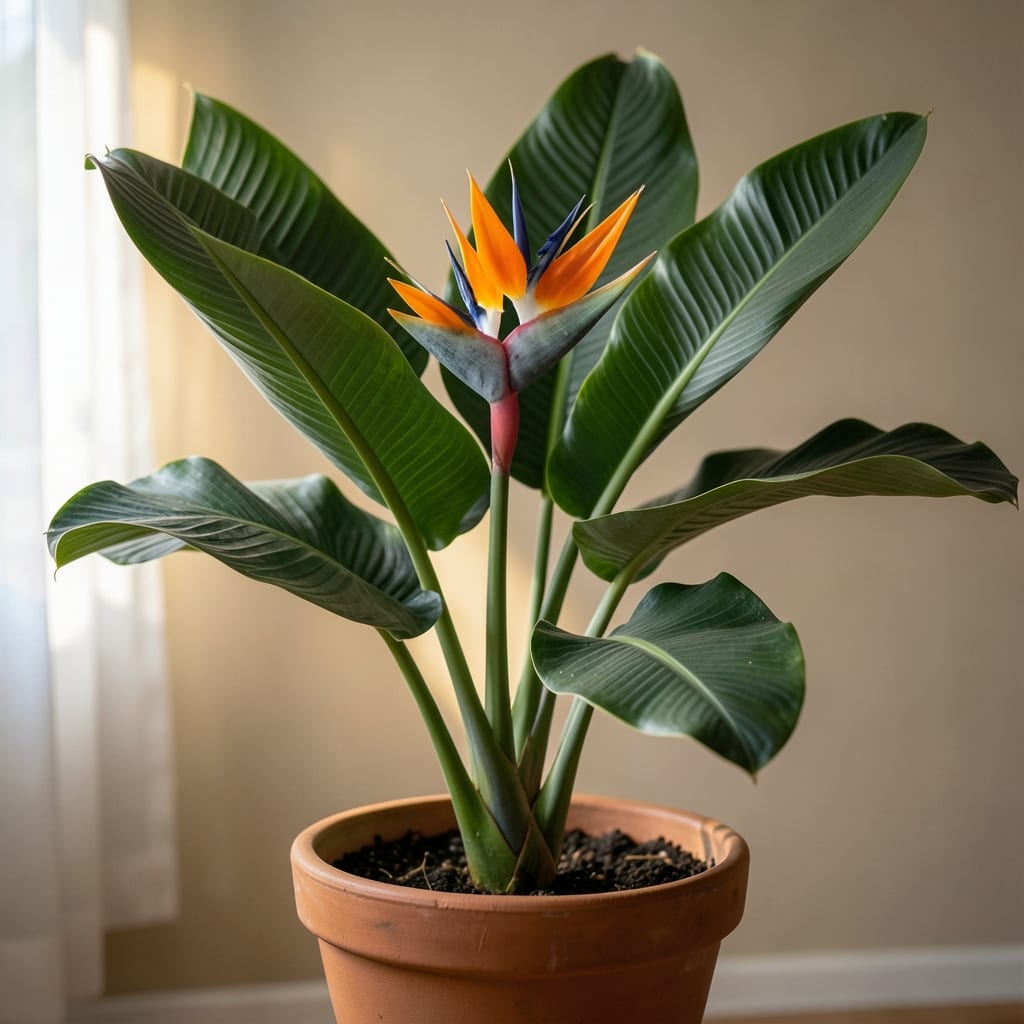
If you’ve ever wondered just how tall can bird of paradise grow in your space, the answer might surprise you—this tropical stunner can reach heights that rival small trees! Whether you're dreaming of a dramatic backyard centerpiece or a statement-making indoor plant, understanding the 🌺 Bird of Paradise growth potential is the first step to creating the perfect setting for it.
Outdoors in ideal conditions, this plant can soar to 6 to 12 feet, making it a standout feature in gardens across USDA Zone 6a and warmer climates. But don’t let those towering heights intimidate you—with the right care, you can manage its size whether it’s thriving in your yard or adding a touch of elegance indoors.
Not all Bird of Paradise varieties grow the same, though. The classic Strelitzia reginae typically stays on the shorter side of that range, while the Giant White Bird of Paradise (Strelitzia nicolai) can push those limits even further. If you're working with limited space, we’ll show you how to keep it in check without sacrificing its stunning beauty.
Ready to learn how to nurture this plant to its full potential—or rein it in when needed? Let’s dive into the factors that influence its height, from sunlight and soil to pruning tips that’ll keep your Bird of Paradise at just the right size for your space.


Bird of paradise maximum height: outdoor growth limits explained
The bird of paradise (Strelitzia reginae) is a showstopper in any garden, but its mature height can vary dramatically depending on growing conditions. In ideal outdoor settings, this tropical beauty typically reaches 6 to 10 feet tall, though some specimens can tower up to 12 feet with perfect care and space. Understanding these growth limits helps you plan for its placement—whether as a focal point or a background accent.
Your plant’s height potential hinges on three key factors: sunlight exposure, soil quality, and climate. In USDA Zones 9-11, where frost is rare, bird of paradise thrives and reaches its full 6-10 foot stature. Even in cooler zones (like Zone 8), it can still grow tall if protected from winter damage. The trade-off? Slower growth and potential dormancy in colder climates.
Let’s break down how each factor influences height, so you can optimize your bird of paradise’s growth strategy. For example, full sun (6+ hours daily) accelerates growth, while partial shade may cap height at 4-6 feet. Rich, well-draining soil packed with organic matter also fuels vertical growth, while poor soil can stunt it to 3-5 feet—a far cry from its tropical potential.
🌱 Key Insight: In optimal conditions, bird of paradise grows 1-2 feet per year in its first decade, then slows to 6-12 inches annually. This gradual ascent means patience pays off for that dramatic, mature height you’re dreaming of.
| Factor | Height Impact | Example |
|---|---|---|
| Sunlight | Full sun (6-8 hrs) → 6-10 ft | South-facing garden bed |
| Soil Quality | Rich, well-draining → 8-12 ft | Compost-amended loam |
| Climate | Frost-free zones → 10-12 ft | Southern California |
| Watering | Consistent moisture → 6-8 ft | Deep watering 2x/week |
| Pruning | Regular pruning → 4-6 ft | Annual deadheading |
🌿 Pro Tip: Mulch with 3-4 inches of organic mulch to retain moisture and boost growth by 20%.
If you’re in a cooler climate (Zones 7-8), your bird of paradise may max out at 4-6 feet unless you provide winter protection, like moving it to a greenhouse or container for overwintering. Even then, growth will be slower—think 6-12 inches per year instead of the tropical 1-2 feet. The good news? With container gardening, you can control height by limiting root space, which we’ll explore in the next section.
Another height game-changer is spacing. Planting bird of paradise too close to other tropical plants (like palms or bananas) can stunt its growth due to root competition. Aim for 5-6 feet of clearance around its base to encourage vertical expansion. In tight spaces, expect a more compact 4-5 foot stature—still stunning, but not the full 10-foot giant you might envision.
For those in humid subtropical climates (like Zone 9), bird of paradise can become a true tropical giant, often exceeding 10 feet with minimal care. The secret? Minimal pruning and high humidity, which mimic its native South African habitat. In drier regions, like Arizona or Texas, growth may plateau at 6-8 feet unless you supplement with regular deep watering and morning misting during heatwaves.
One common misconception is that bird of paradise grows like a tree with a single trunk. In reality, it often develops multiple stems from the base, creating a clumping effect. This can make it appear fuller but shorter if not pruned. To encourage a single, tall stem, prune side shoots in early spring, redirecting energy upward. Without pruning, expect a wider, bushier plant at 5-7 feet tall.
Finally, soil pH plays a subtle but critical role. Bird of paradise prefers slightly acidic to neutral soil (pH 6.0-7.0). In alkaline soils (pH 7.5+), growth slows, and height may cap at 5-6 feet. Test your soil and amend with peat moss or sulfur if needed to unlock its full height potential. A simple soil test kit (under $20) can reveal whether your garden is holding your plant back.
🌳 Visualize It: At maturity, a 10-foot bird of paradise stands taller than a basketball hoop (10 ft) but shorter than a typical garage door (8 ft tall). Plan accordingly—this plant isn’t just a border accent; it’s a statement piece that demands space and respect in your garden design.
Bird of paradise maximum height: outdoor growth limits explained
When planning your garden’s layout, knowing how tall your bird of paradise (Strelitzia reginae) can grow outdoors is essential. In ideal conditions, this tropical beauty typically reaches 6 to 10 feet tall, though some specimens can surpass 12 feet with perfect care. The Queen Bird of Paradise grows as an upright, evergreen shrub with striking orange and blue blooms that resemble exotic birds—hence its name!
Outdoor growth depends heavily on climate, sunlight exposure, and soil quality. In USDA Zones 9-11, where frost is rare, these plants thrive year-round and reach their maximum height. Even in cooler zones (like Zone 8), they can grow tall if protected from winter freezes. Sunlight is non-negotiable—6 to 8 hours of direct sun daily fuels their rapid growth, while partial shade slows them down, keeping heights closer to 4 to 6 feet.
Soil drainage is another critical factor. Well-draining, slightly acidic soil (pH 6.0-6.5) encourages healthy root development, allowing the plant to absorb nutrients efficiently. In poor soil or waterlogged conditions, growth stalls, and the plant may struggle to reach its full height potential. Amending clay soil with compost or sand can make a significant difference in your bird of paradise’s growth trajectory.
| Factor | Impact on Height | Optimal Conditions |
|---|---|---|
| Sunlight | 6-10 ft (full sun) | 4-6 ft (partial shade) | 6-8 hours direct sunlight daily |
| Climate | 10-12 ft (tropical) | 6-8 ft (cooler zones) | USDA Zones 9-11 (frost-free) |
| Soil | Full height (well-draining) | Stunted (waterlogged) | pH 6.0-6.5, amended with compost |
| Water | Max height (consistent moisture) | Slower growth (drought) | Deep watering 1-2x weekly |
🌱 Key Takeaway: Outdoor bird of paradise thrives with full sun and well-draining soil, reaching 10+ feet in ideal conditions.
If you’re in a cooler climate, consider planting near a south-facing wall to capture reflected heat and extend the growing season. Mulching around the base also helps retain moisture and regulate soil temperature, which supports steady growth. Over time, your bird of paradise will develop a thick, woody stem and large, banana-like leaves, becoming a stunning focal point in your landscape.
For those in Zone 8 or colder, overwintering is crucial. Move potted plants to a garage or sheltered patio before temperatures drop below 30°F (-1°C). Even outdoor plants benefit from a thick layer of mulch (4-6 inches) to insulate roots. With proper winter care, your bird of paradise can bounce back in spring, continuing its upward growth trajectory.
Remember, patience is key—bird of paradise grows 1 to 2 feet per year in ideal conditions. By providing the right sunlight, soil, and care, you’ll be rewarded with a towering tropical statement piece that brings drama and color to your outdoor space for decades. 🌿