
Size
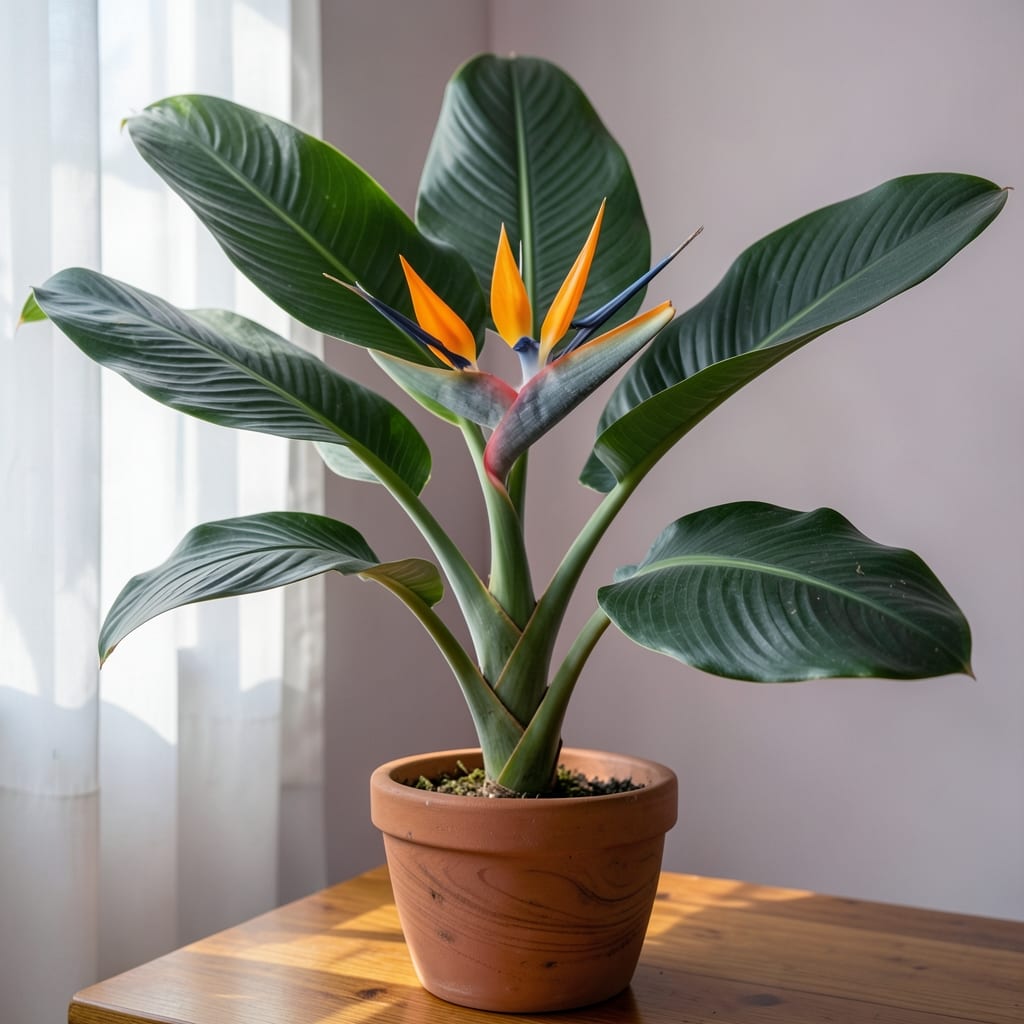
If you’re wondering how tall do bird of paradise grow, the answer depends entirely on where you plant your stunning 🌺—outdoor varieties can reach towering heights of 10+ feet, while indoor plants stay much more manageable. This dramatic difference isn’t just about luck; it’s all about sunlight, soil, and climate working together (or against you).
For gardeners in warmer zones, outdoor bird of paradise thrives like a tropical giant, shooting up quickly with proper care. But even in cooler climates like USDA Zone 6a, with the right spring planting timing and protection, you can still enjoy its impressive stature. The key? Understanding how your local conditions influence growth before you dig in.
Indoor lovers, don’t worry—your bird of paradise won’t take over your living room. With smart pruning and container limits, you can keep it at a compact 6 feet or less. The secret? Controlling light exposure and pot size to match your space. Let’s break down exactly how to get the height you want, whether you’re going big outdoors or keeping it cozy inside.
From dwarf varieties that stay under 6 feet to the giant white bird of paradise that can dominate your landscape, we’ll cover all the factors that determine your plant’s final height. Ready to plan your perfect tropical statement piece? Let’s get growing!


Bird of paradise height by variety: outdoor growth limits explained
The bird of paradise plant (Strelitzia reginae) is a tropical showstopper, but its mature height varies dramatically by variety and growing conditions. In ideal outdoor settings, these plants can reach 10+ feet tall, making them perfect for bold landscape statements. However, not all varieties grow equally—some stay shorter while others shoot up like skyscrapers. Let’s break down the exact height ranges for the most popular outdoor varieties and what influences their growth.
For gardeners in USDA Zones 9-11, outdoor bird of paradise thrives year-round, reaching its full potential with 6+ hours of sunlight daily and well-draining soil. In cooler zones like Zone 6a, these plants can still grow tall but may need winter protection to avoid frost damage. The key? Choosing the right variety for your climate and giving it the space it needs to flourish.
Here’s how the most common outdoor varieties compare in terms of mature height and growth habits:
| Variety | Mature Height | Growth Rate | Notes |
|---|---|---|---|
| Strelitzia reginae (Queen Bird of Paradise) | 6–10 ft | Moderate (1–2 ft/year) | Classic orange-and-blue blooms; thrives in full sun. |
| Strelitzia nicolai (Giant White Bird of Paradise) | 12–20 ft | Fast (2–3 ft/year) | Tallest variety; white flowers; needs space. |
| Strelitzia juncea (Dwarf Bird of Paradise) | 4–6 ft | Slow (6–12 in/year) | Best for small gardens; compact and hardy. |
| Hybrid Varieties (e.g., Strelitzia x caudata) | 8–15 ft | Variable (1–3 ft/year) | Unique colors; may need staking for support. |
The Queen Bird of Paradise (Strelitzia reginae) is the most popular choice for outdoor gardens, typically reaching 6–10 feet tall with proper care. This variety is known for its striking orange-and-blue flowers and is perfect for warm climates. If you’re looking for a taller statement plant, the Giant White Bird of Paradise (Strelitzia nicolai) can soar to 12–20 feet, making it ideal for large landscapes or privacy screens.
For smaller spaces, the Dwarf Bird of Paradise (Strelitzia juncea) is a game-changer, maxing out at 4–6 feet tall. This variety is also more cold-hardy, making it a great option for gardeners in USDA Zone 6a or cooler. Hybrid varieties often blend the best traits of these species, offering unique colors and heights that can range from 8–15 feet depending on growing conditions.
Sunlight is the #1 factor influencing how tall your bird of paradise grows. In full sun (6+ hours/day), these plants grow faster and reach their maximum height. However, in partial shade (3–4 hours/day), growth slows significantly, and the plant may stay shorter. If you’re in a cooler climate, planting near a south-facing wall can provide extra warmth and encourage faster growth.
Soil quality also plays a crucial role. Bird of paradise plants thrive in well-draining, slightly acidic soil (pH 6.0–6.5). If your soil is heavy or clay-like, amending it with compost or sand can improve drainage and promote healthier root growth. Overwatering or waterlogged soil can stunt growth and lead to root rot, so always ensure excess water drains away from the plant’s base.
In my own garden, I’ve seen Queen Bird of Paradise plants grow 2 feet per year in ideal conditions, while hybrid varieties can shoot up 3 feet or more in a single season. The key to maximizing height is consistency—provide regular watering, balanced fertilizer (6-10-10 NPK), and protection from frost in cooler zones. With the right care, your bird of paradise will become a towering tropical centerpiece that steals the show.
Indoor bird of paradise height: how to keep it compact (with pruning tips)
If you’ve fallen in love with the bird of paradise’s exotic foliage but worry about its height indoors, you’re not alone. Most indoor varieties—like the dwarf bird of paradise (Strelitzia juncea)—rarely exceed 6 feet when properly cared for. The key to controlling its height lies in container size, light exposure, and strategic pruning. Without these, your plant may stretch toward the ceiling in search of sunlight, becoming leggy and top-heavy.
I’ve seen firsthand how a 12-inch pot limits root growth, naturally restricting height, while a 20-gallon container can encourage rapid vertical growth. The same plant in a small pot stays under 4 feet, while the same variety in a large pot can reach 7 feet in just 3 years. Your pot choice isn’t just about aesthetics—it’s about growth control.
Here’s the truth: Indoor bird of paradise plants grow taller when they lack sunlight. A common mistake is placing them in dim corners, which triggers etiolation—the plant’s desperate stretch for light. Instead, position your plant near a south-facing window or under grow lights for 12+ hours daily. This keeps stems sturdy and foliage lush.
⚠️ Height Control Warning
Over-potting is the #1 reason indoor bird of paradise plants grow too tall. A 24-inch pot can push a dwarf variety to 8 feet in 5 years—far beyond its natural size. Stick to 12-18 inches max for compact growth.
Leggy growth from poor light? Prune 1/3 of the stem just above a leaf node to encourage bushier, shorter growth. Use clean, sharp bypass pruners to avoid damaging the plant.
Pruning isn’t just about height control—it’s also about encouraging fuller growth. When you trim back leggy stems in early spring, you trigger new shoots from the base, creating a bushier, more compact plant. I recommend pruning once a year for indoor plants, focusing on the tallest stems first. Always sterilize your tools with rubbing alcohol to prevent disease.
For slow-growing indoor varieties, like Strelitzia juncea, expect 6-12 inches of growth per year in ideal conditions. Faster growers, such as Strelitzia nicolai, can add 2 feet annually if given enough light and nutrients. The secret to keeping them manageable? Rotate the pot every 2 weeks so all sides get even sunlight, preventing lopsided growth.
Remember, even indoor bird of paradise plants need well-draining soil to prevent root rot, which can stunt growth. Mix cactus/succulent soil with perlite for optimal drainage. Overwatering in winter—when growth slows—can also cause yellowing leaves and stunted height. Let the top 2 inches of soil dry out between waterings.