
Size
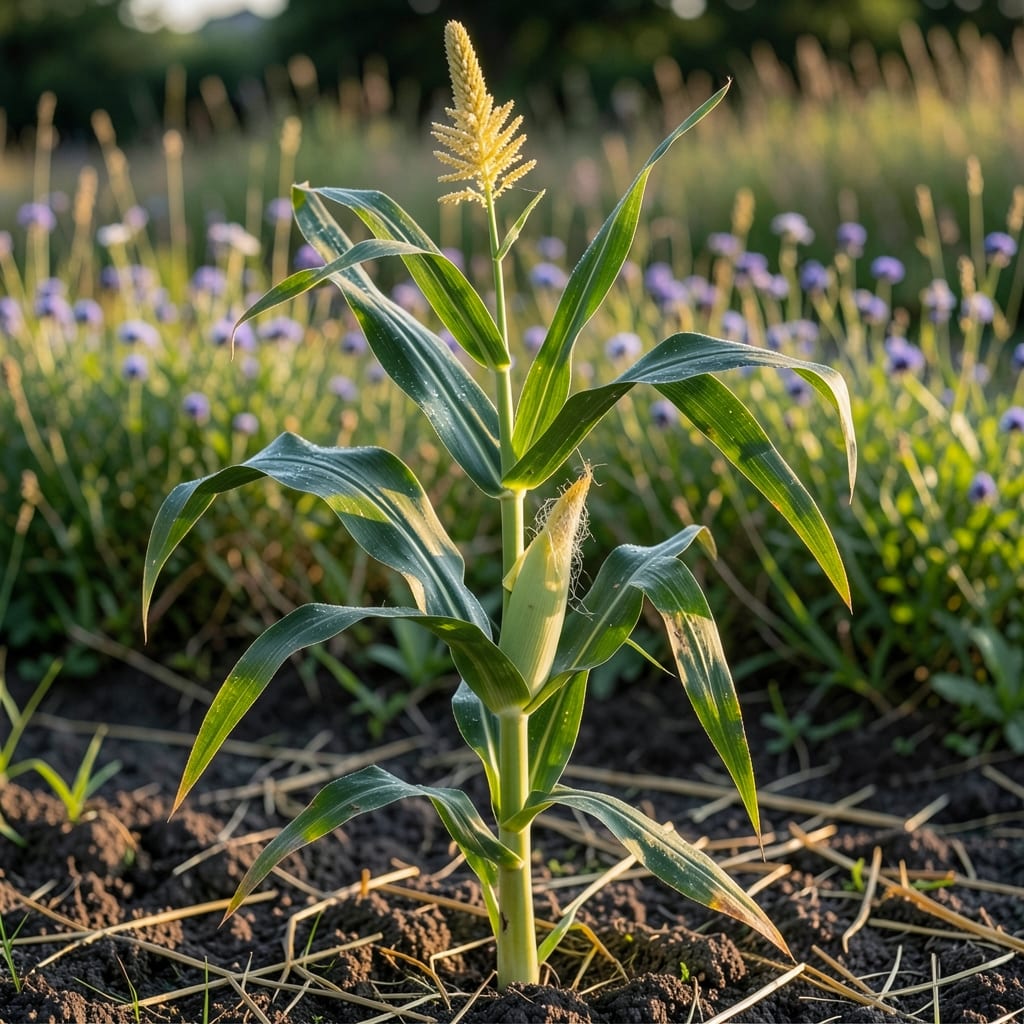
If you’ve ever stared at a towering cornfield and wondered how tall corn plants can grow, you’re not alone—this versatile crop can range from knee-high to taller than a basketball hoop! Whether you’re dreaming of a backyard harvest or curious about agricultural giants, understanding corn height is key to planning your garden.
🌽 The height of corn plants depends on the variety, with dwarf types reaching just 3–5 feet and monster varieties like 'Mammoth Melting' soaring to 12–14 feet. But genetics aren’t the only factor—sunlight, soil quality, and even watering habits play a role in how tall your corn will grow.
For home gardeners, knowing these details helps you choose the right variety for your space and climate. Want to grow tall corn? You’ll need to think about support structures and optimal growing conditions. Let’s break down what influences corn height and how you can maximize (or minimize) it for your garden.
From compact backyard-friendly varieties to sun-loving giants, we’ll cover everything you need to know to get the perfect corn height for your needs. Ready to dig in?


Corn plant height variations: dwarf, medium, and giant varieties explained
Corn plants can be as short as 3 feet or tower over you at 14 feet, depending on the variety. This dramatic range makes corn one of the most adaptable crops for gardens of all sizes. Whether you're working with a tiny urban plot or a sprawling rural field, choosing the right variety is key to maximizing your harvest while fitting your space.
🌽 The height of corn is primarily determined by genetics, but growing conditions can push plants to their extremes—or hold them back. Dwarf varieties are perfect for containers or small gardens, while giant varieties need space and support. Let’s explore the three main height categories and what makes each unique.
| Variety Type | Height Range | Best For | Notes |
|---|---|---|---|
| Dwarf Varieties | 3–5 ft | Containers, small gardens, urban plots | Examples: 'Tom Thumb,' 'Golden Bantam' |
| Semi-Dwarf Varieties | 5–8 ft | Backyard gardens, home harvests | Examples: 'Silver Queen,' 'Peaches and Cream' |
| Standard/Field Varieties | 8–12 ft | Large gardens, commercial fields | Examples: 'Country Gentleman,' 'Kandy Korn' |
| Giant Varieties | 12–14 ft | Rural farms, novelty gardens | Examples: 'Mammoth Melting,' 'Iowa Stiff Stalk' |
Dwarf varieties like 'Tom Thumb' are ideal for beginners or those with limited space. These plants mature quickly and produce small ears but are perfect for popping fresh off the cob. Their compact size also makes them easier to manage in containers or raised beds.
Semi-dwarf varieties strike a balance, offering better yields while staying manageable for home gardens. These are the most popular choices for backyard gardeners because they require less support than taller varieties but still produce large, sweet ears. Varieties like 'Silver Queen' are classic favorites for their reliability and flavor.
Standard and giant varieties are where things get exciting—and challenging. These plants can reach heights that rival a two-story house, but they also demand more from your garden. Field corn varieties like 'Country Gentleman' are bred for high yields and can produce ears weighing over 1 pound each. However, they need ample space to avoid shading each other and may require staking or trellising to prevent lodging.
Giant varieties like 'Mammoth Melting' are the showstoppers of the corn world, capable of reaching 14 feet or more. These are often grown as novelties or for special events, but they require rich soil, full sun, and consistent care. If you’re dreaming of growing corn taller than you are, these varieties are your ticket—but be prepared for a big commitment in terms of space and maintenance.
🌱 The height of your corn isn’t just about aesthetics—it also affects pollination, yield, and harvestability. Taller plants may struggle with wind damage or poor pollination if they’re too spread out. Meanwhile, shorter varieties can be easier to harvest but may produce fewer ears. Choosing the right height for your garden ensures you get the best of both worlds: great-tasting corn and a manageable harvest.
Corn plant height variations: dwarf, medium, and giant varieties explained
When planning your corn garden, choosing the right corn variety is one of the biggest factors in determining how tall your corn plants will grow. Some varieties stay compact, perfect for small spaces, while others reach towering heights that can challenge even the most ambitious gardeners. Let’s explore the three main categories: dwarf corn, medium-height corn, and giant corn varieties, and why height matters for your harvest.
🌽 Dwarf corn varieties typically reach 3–5 feet tall, making them ideal for containers, urban gardens, or spaces with limited height clearance. These compact plants often produce smaller ears but mature quickly, perfect for early harvests or small-scale gardening. Popular choices like 'Tom Thumb' or 'Golden Bantam' are classic examples.
For most home gardeners, medium-height corn (ranging from 5–8 feet) strikes the best balance. These varieties, such as 'Silver Queen' or 'Peaches and Cream,' offer manageable heights while still delivering abundant ears. They’re great for backyard plots and require minimal support structures, making them a favorite for beginners.
| Variety Type | Height Range | Best For | Notes |
|---|---|---|---|
| Dwarf | 3–5 ft | Containers, small gardens | Fast-maturing, early harvest |
| Medium | 5–8 ft | Backyard plots, beginners | Balanced height, abundant ears |
| Giant | 10–14 ft | Rural gardens, large plots | Requires support, long growing season |
If you’re aiming for a dramatic garden feature or want to experiment with giant corn varieties, heights of 10–14 feet are possible with varieties like 'Mammoth Melting' or 'Country Gentleman.' These towering plants need ample space, strong winds to pollinate, and often require support structures like stakes or trellises to prevent lodging. While they produce fewer ears per plant, the novelty and size can be rewarding for adventurous gardeners.
The height of your corn also impacts pollination success. Taller varieties may need wind assistance or strategic planting to ensure tassels and silks align properly. In small gardens, planting multiple rows close together can improve cross-pollination, even for shorter varieties. Always check the recommended spacing for your chosen variety to avoid overcrowding, which can lead to weak stalks and reduced yields.
For urban gardeners or those with limited space, dwarf varieties are a game-changer. They mature faster and can even thrive in large containers with proper drainage. Just ensure your container is at least 12–18 inches deep to accommodate the roots. If you’re growing medium or tall corn, consider vertical gardening techniques, such as using trellises or cages, to save space while still enjoying a bountiful harvest.
🌱 Whether you’re growing corn for fresh ears, animal feed, or just the joy of watching it grow, choosing the right height is about matching your garden’s layout and your growing goals. Next, we’ll explore how to optimize your corn’s height based on sunlight, soil, and care—so you can get the most out of your plants, no matter their size!