
Plants
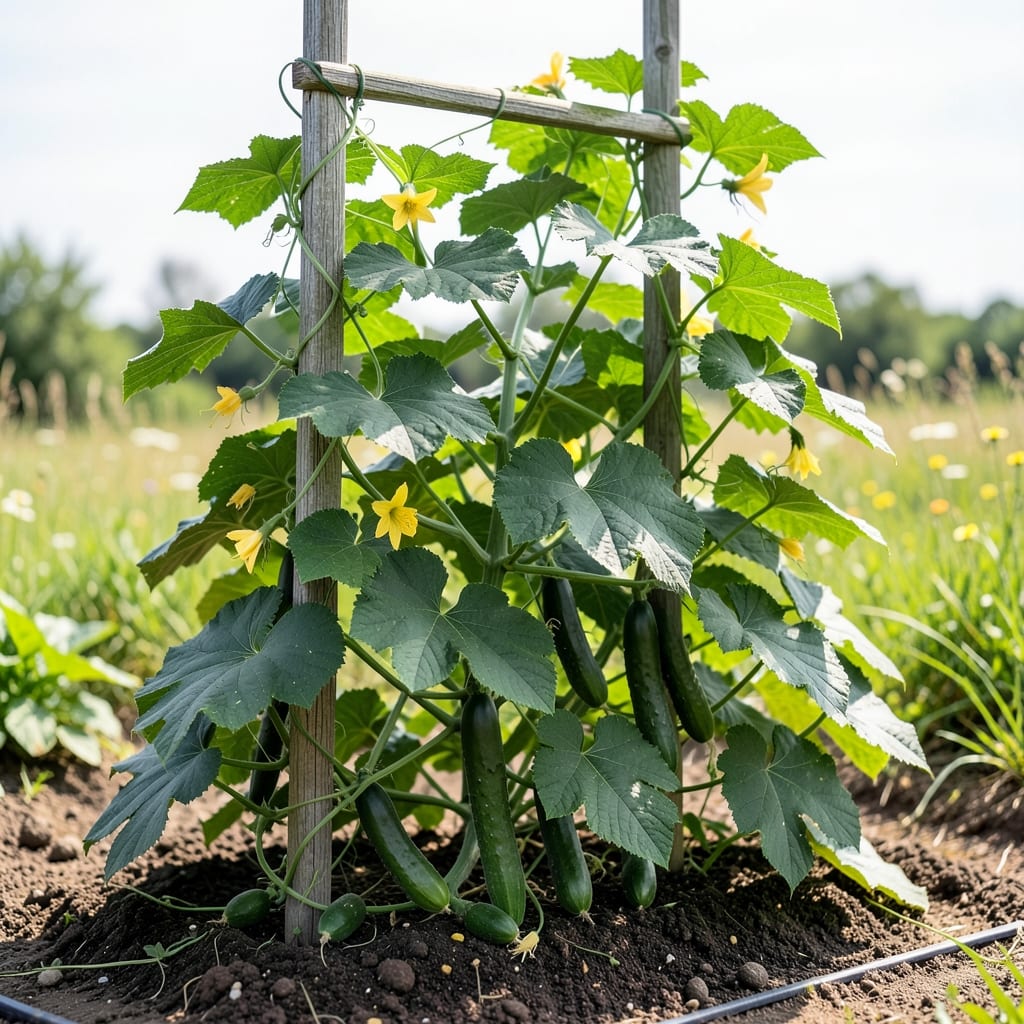
If you’ve ever wondered just how tall your 🥒 cucumber plants can grow—or whether your small balcony can handle a sprawling vine—you’re about to get the full picture. Some varieties stretch like jungle vines, reaching heights that could make your garden look like a vertical jungle, while others stay neatly compact. The difference? It’s all in the type of cucumber, how you train it, and the care you put in.
Picture this: a 20-foot cucumber plant climbing your fence, or a tidy 3-foot bush variety perfect for a pot on your patio. The truth is, cucumber heights vary wildly—from dwarf varieties that barely peek over a windowsill to vining giants that need serious support. Whether you’re working with limited space or dreaming of a bountiful harvest, knowing these growth patterns is the key to success.
But here’s the thing: height isn’t just about space—it’s about yield, health, and even flavor. A well-supported vine produces straighter, cleaner cucumbers, while an unchecked sprawl can lead to disease and wasted energy. I’ll break down the best ways to manage your cucumber’s growth, from trellising hacks to pruning tips, so you can get the most out of your plants—no matter how tall (or short) they end up.
Ready to turn your garden—or balcony—into a cucumber powerhouse? Let’s dive into the world of cucumber heights, so you can grow with confidence, whether you’re aiming for sky-high vines or compact, easy-to-care-for bushes.


Cucumber plant height by variety: vining giants vs compact types
Cucumber plants are famous for their dramatic growth habits, but not all varieties reach for the sky. Traditional vining cucumbers can climb 15 to 20 feet when given proper support, while bush varieties stay neatly contained under 3 feet. The difference comes down to genetics, training, and your garden’s space—so let’s break it down by type.
If you’re working with limited space, bush cucumbers like ‘Bush Champion’ or ‘Spacemaster’ are your best bet. These varieties grow 1 to 3 feet tall and produce fruit without sprawling. They’re perfect for containers, small balconies, or tight garden beds, where vertical growth isn’t an option. Even in these compact forms, they’ll still yield 10 to 15 pounds of cucumbers per plant if cared for properly.
On the opposite end of the spectrum, traditional vining cucumbers like ‘Straight Eight’ or ‘Marketmore’ can stretch 15 to 20 feet when trained on a trellis or fence. Without support, they’ll sprawl 6 to 10 feet across your garden, competing for space with other plants. These varieties thrive in large gardens or vertical growing systems, where their natural climbing instincts can be harnessed for maximum yield.
Here’s the key distinction: vining cucumbers need support, while bush varieties don’t. The height difference isn’t just about aesthetics—it directly impacts fruit quality, disease risk, and harvest efficiency. Vining types produce fewer but larger cucumbers when trellised, while bush types offer more frequent, smaller harvests with less maintenance.
Now, let’s talk about the middle ground: semi-dwarf vining cucumbers. Varieties like ‘Sweet Success’ or ‘Excelsior’ grow 3 to 6 feet tall and bridge the gap between sprawling vines and compact bushes. They’re ideal for small gardens, raised beds, or trellises in tight spaces, offering a balance of height control and productivity.
🌱 Pro Tip: Always check seed packets or plant tags for height ranges—some "bush" varieties can still surprise you with 4 to 5 feet of growth if left unchecked. And remember, trellising isn’t just for vining types—even bush cucumbers benefit from light support to improve air circulation and reduce disease.
| Variety Type | Height Range | Best For | Support Needed | Yield Potential |
|---|---|---|---|---|
| Bush Cucumbers | 1–3 ft | Containers, small gardens, balconies | None (or light trellis) | 10–15 lbs per plant |
| Semi-Dwarf Vining | 3–6 ft | Raised beds, small trellises | Trellis or cage | 15–25 lbs per plant |
| Traditional Vining | 15–20 ft (with support) | Large gardens, fences, vertical systems | Strong trellis or fence | 20–30+ lbs per plant |
🌿 Note: Height varies by variety and growing conditions. Always confirm specifics with seed suppliers.
Choosing the right cucumber variety for your space isn’t just about height—it’s about harvest efficiency and ease of care. For example, bush cucumbers require less pruning and maintenance, making them ideal for beginners or busy gardeners. Meanwhile, vining types reward patience with larger yields and longer harvest seasons, but they demand proper trellising and regular training to avoid sprawling chaos.
If you’re growing cucumbers in containers or small spaces, opt for bush or semi-dwarf varieties like ‘Bush Crystal’ or ‘Salad Bush.’ These stay compact but still produce abundant fruit. For large gardens or vertical growing, traditional vining types like ‘Arkansas Little Leaf’ or ‘Lemon Cucumber’ will thrive when given 6 to 8 feet of vertical space.
One final consideration: climate matters. In warmer regions (Zones 8–10), cucumbers grow faster and taller, while cooler climates (Zones 4–6) may stunt growth without proper support. Always adjust your trellising or pruning strategy based on your local growing conditions to maximize height control.
🪴 Remember: Even the tallest cucumber plants start small. Give them 6–8 hours of sun daily and consistent moisture, and they’ll reward you with lush growth and bountiful harvests, whether they’re reaching for the sky or staying close to the ground.
Cucumber plant height by variety: vining giants vs compact types
Cucumber plants come in two dramatic extremes: sprawling vines that climb like jungle explorers and compact bush varieties that stay neatly contained. The height difference can be staggering—some varieties reach 20 feet while others barely top 3 feet. Your choice depends on your space, goals, and whether you prefer vertical drama or easy maintenance.
Traditional vining cucumbers (like Marketmore or Straight Eight) are the growth champions, stretching 15-20 feet when given proper support. These varieties thrive when trained on trellises or fences, producing long, straight fruits. Meanwhile, bush varieties like Bush Champion or Spacemaster stay 1-3 feet tall, making them perfect for containers or small gardens.
For balcony gardens or patio spaces, consider semi-dwarf varieties like Little Leaf or Sweet Success, which max out around 3-6 feet. These hybrids offer a middle ground—compact growth without sacrificing yield. Even in tight spaces, you can train them vertically to save room while still enjoying full-size cucumbers.
| Variety Type | Height Range | Best For | Growth Habit |
|---|---|---|---|
| Vining (Traditional) | 15-20 ft | Large gardens, trellises, high yields | Climbing, sprawling |
| Semi-Dwarf | 3-6 ft | Containers, small spaces, balconies | Compact climbing |
| Bush | 1-3 ft | Containers, raised beds, low maintenance | Bushy, no support needed |
If you’re growing cucumbers in containers, opt for bush or semi-dwarf varieties—they’ll thrive in 5-gallon pots with minimal fuss. For in-ground gardens, vining types excel when given vertical support, saving space and reducing disease risk (since fruits stay off the ground). Pro tip: Trellised vines produce straighter, cleaner cucumbers with fewer blemishes.
Don’t forget about parthenocarpic varieties like Excelsior or Dasher, which set fruit without pollination—ideal for greenhouses or shady patios. These can grow 6-10 feet tall but stay manageable with proper training. Whether you love tall vines or neat bushes, there’s a cucumber variety perfect for your space and style.
For maximum yield, pair your chosen variety with the right support system. A 6-foot trellis works for semi-dwarfs, while 10-foot structures are better for traditional vines. And remember: Regular harvesting encourages more growth—so check your plants often! 🥒