
Size
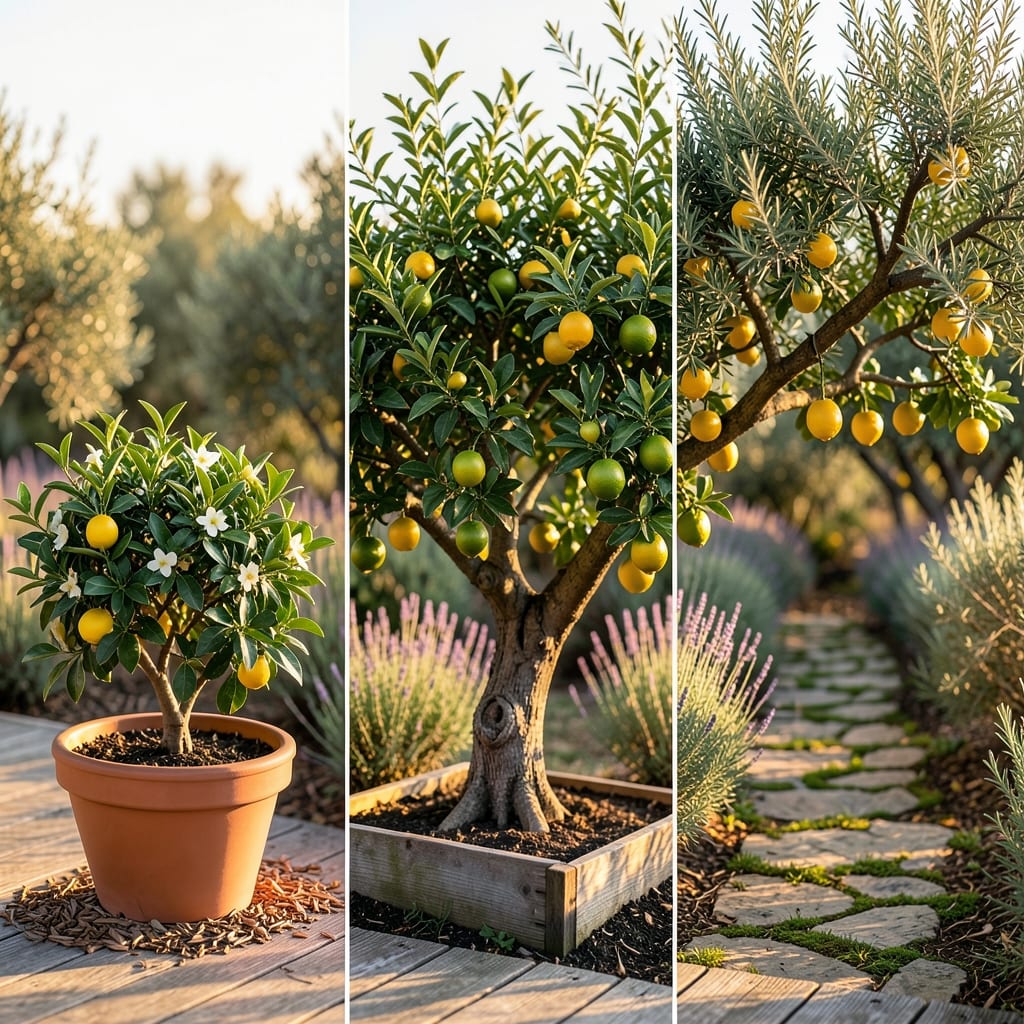
If you’ve ever wondered how tall can lemon trees grow, the answer might surprise you—these citrus giants can stretch from waist-high dwarfs to towering 40-foot trees, depending on their variety and care. Picture this: one year, your 🍋 lemon tree could be a manageable 6 feet, while another might reach the sky, requiring a ladder just to pick fruit. The difference? It’s all in the genetics, pruning, and growing conditions.
Most home gardeners opt for dwarf varieties, which stay between 6-10 feet tall—perfect for patios or even large containers. But if you’re growing a standard lemon tree, like the classic Eureka, expect heights of 15-25 feet, rivaling small trees in an orchard. The key to controlling their size lies in understanding their growth habits and how factors like sunlight, pruning, and soil quality play a role.
Whether you’re dreaming of a year-round lemon harvest in your backyard or a compact tree on your balcony, knowing how to manage growth is essential. I’ll break down the factors that influence height—from rootstock choices to pruning techniques—and show you how to keep your tree at the perfect size for your space. Ready to grow the lemon tree of your dreams?
Let’s dive into the science behind lemon tree heights and how you can shape your tree’s future, whether you want a bushy dwarf or a sprawling standard variety. You’ll learn the secrets to keeping your tree healthy, productive, and—most importantly—within your desired height limits.


Lemon tree height ranges: from dwarf varieties to massive giants
Lemon trees are incredibly versatile, and their mature height can vary dramatically depending on the variety and growing conditions. If you're working with limited space, dwarf varieties like the Meyer lemon can stay between 6 to 10 feet tall, making them perfect for containers or small patios. Meanwhile, standard varieties like the Eureka lemon or Lisbon lemon can reach 15 to 25 feet when grown in the ground, rivaling the height of a two-story house!
But here’s the twist: even within the same variety, a lemon tree’s height can be influenced by how it’s grown. For example, a Meyer lemon grafted onto a dwarfing rootstock will stay compact, while the same variety grafted onto a standard rootstock could grow much taller. This is why understanding rootstock types is key to controlling your lemon tree’s size.
In commercial orchards, lemon trees are often pruned to maintain a manageable height, even for standard varieties. Without pruning, these trees can grow even taller—some historical records even mention 40-foot giants in ideal Mediterranean climates! However, for home gardeners, height control is usually achieved through a combination of pruning, container size, and rootstock selection.
Let’s break down the height ranges you can expect from different lemon tree types, along with their ideal growing conditions and space requirements.
| Variety | Rootstock | Mature Height | Space Needs | Best For |
|---|---|---|---|---|
| Meyer Lemon | Dwarf (e.g., Flying Dragon) | 6–10 ft | Containers or small patios | Indoor/outdoor pots, urban gardens |
| Eureka Lemon | Standard (e.g., Rough Lemon) | 15–25 ft | Large backyards or orchards | Outdoor planting, commercial use |
| Lisbon Lemon | Semi-dwarf (e.g., Swingle Citrumelo) | 10–15 ft | Medium-sized gardens | Balconies, small yards |
| Villafranca Lemon | Standard (e.g., Cleopatra Mandarin) | 18–25 ft | Large outdoor spaces | Orchard settings, rural areas |
As you can see, the rootstock plays a huge role in determining how tall your lemon tree will grow. For example, grafting a Meyer lemon onto a dwarfing rootstock like Flying Dragon keeps it compact, while using a standard rootstock like Rough Lemon allows it to grow much taller. This technique is commonly used in commercial citrus farming to maximize space efficiency.
If you’re growing lemons in containers, even standard varieties can be kept smaller with regular pruning and root restriction. However, their growth rate will naturally slow compared to trees planted in the ground. For instance, a 15-foot Eureka lemon in a large pot might only reach 8 to 10 feet due to limited root space.
Another factor to consider is climate and sunlight exposure. Lemon trees grown in full sun (6+ hours daily) and warm climates (USDA zones 9-11) will grow faster and taller than those in cooler or shaded conditions. In cooler zones (6-8), lemon trees may stay smaller or require container growing to protect roots from frost.
For gardeners in small spaces, dwarf varieties are the best choice. They’re not only easier to manage but also produce fruit earlier and more reliably. For example, a Meyer lemon in a 15-gallon pot can bear fruit within 2-3 years, while a standard variety might take 5-7 years to reach maturity—even if it grows taller.
Remember, even if you choose a dwarf variety, pruning is essential to maintain its shape and encourage fruit production. Without regular pruning, even dwarf trees can become leggy and overgrown. Aim to prune in late winter or early spring to remove dead or crowded branches and promote a bushier, more productive tree.
What determines a lemon tree’s height: key factors to control growth
When it comes to lemon tree height, genetics set the stage—but your care routine writes the final chapter. Whether you're aiming for a compact dwarf or a tall standard tree, understanding these key factors will help you steer growth in the right direction. Let’s break down what truly influences how tall your lemon tree will become.
First, pruning techniques play a massive role. Regular pruning not only shapes your tree but also controls its height. By removing vertical growth and encouraging outward branches, you can keep a tree at waist height or even smaller. For example, Meyer lemons often stay under 6 feet with consistent pruning, while unpruned trees can shoot up to 15 feet in just a few years.
Next, sunlight exposure directly impacts growth speed. Lemon trees thrive in full sun (6+ hours daily), which fuels rapid vertical growth. If your tree isn’t getting enough light, it may grow leggy and tall as it stretches toward sunlight. Place your tree in the sunniest spot possible—whether in your backyard or near a south-facing window if growing indoors.
- Pruning: Controls height by removing vertical growth
- Sunlight: More sun = faster, taller growth
- Container Size: Smaller pots = slower, shorter growth
- Soil Quality: Nutrient-rich soil fuels rapid growth
- Watering: Overwatering can lead to leggy, tall growth
Don’t overlook container size if you’re growing your lemon tree in a pot. Root-bound trees grow taller and slower as they compete for space. For dwarf varieties, use containers 12-18 inches wide, while standard trees need 24+ inches of diameter. Repotting every 2-3 years gives roots room to spread, keeping your tree healthier and more compact.
Soil quality also plays a hidden but critical role. Lemon trees need well-draining, slightly acidic soil (pH 6.0-7.0). Poor soil can stunt growth or cause nutrient deficiencies, leading to weak, tall stems. Amend your soil with compost or citrus-specific fertilizer to ensure your tree gets the nutrients it needs to grow strong and balanced.
Finally, watering habits can unintentionally encourage tall growth. Overwatering leads to soft, leggy stems as the tree stretches upward for stability. Water deeply but infrequently—about every 3-5 days—and always in the morning to prevent fungal issues. For container-grown trees, reduce watering slightly to every 2-3 days to avoid soggy roots.
By mastering these factors, you’ll have full control over whether your lemon tree stays small and manageable or grows into a towering citrus giant. Start with the right variety, prune regularly, and give your tree the ideal conditions—and you’ll be harvesting lemons at just the right height for years to come! 🪴