
Size
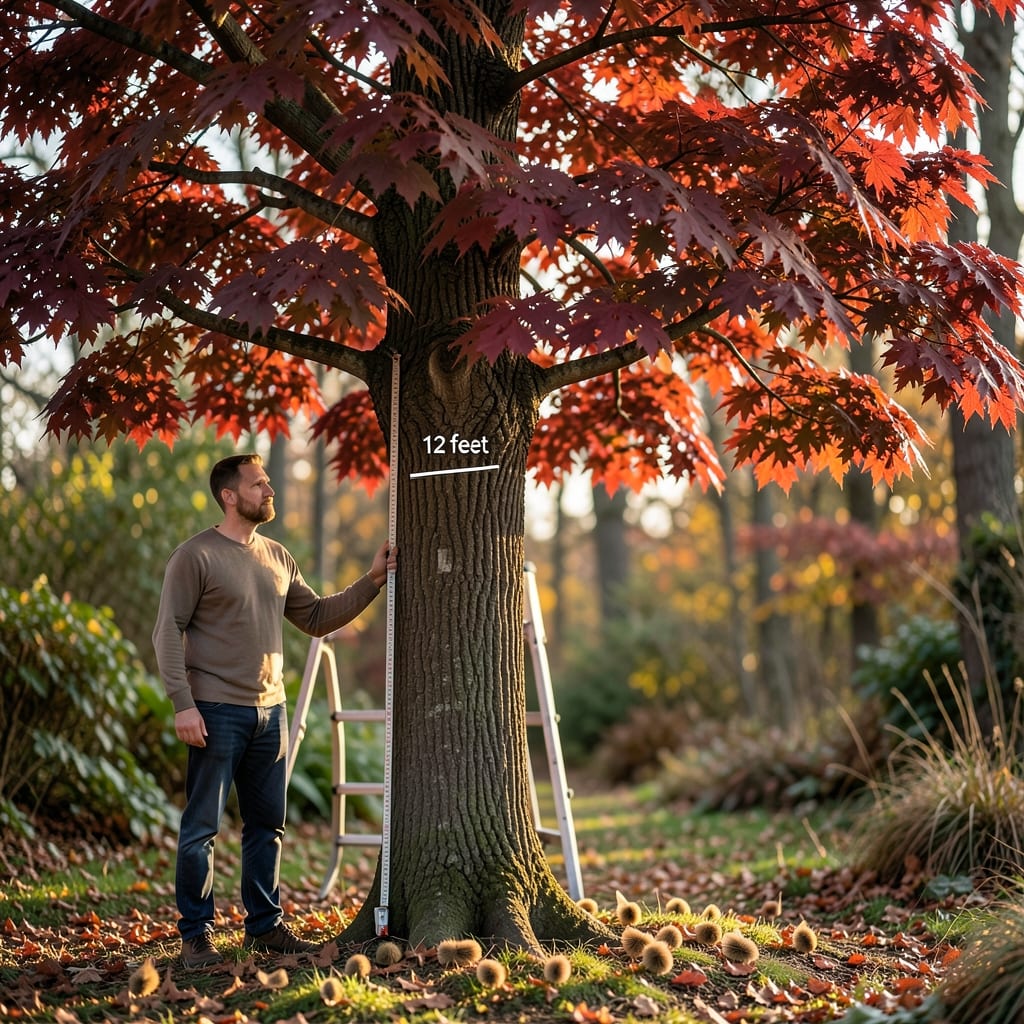
Ever wondered just how tall that majestic 🌳 Maple Tree in your dreams could grow? The answer might surprise you—some species reach heights of 100+ feet, towering over buildings and creating breathtaking canopies. But not all maples grow this tall, and choosing the right variety for your space is key to getting the perfect balance of beauty and practicality.
If you're planting in USDA Zone 6a or similar climates, you'll want to know which maple species thrive best in your area. Some varieties stay compact, while others shoot skyward—understanding these differences can help you make the best choice for your yard or landscape. Whether you're aiming for shade, privacy, or just a stunning focal point, the right maple can transform your outdoor space.
In this guide, I’ll break down the tallest maple species, what factors influence their height, and how to manage growth for smaller spaces. You’ll also discover common misconceptions about how big these trees really get—and why pruning at the right time can make all the difference. Let’s dive in!
Ready to grow a maple that matches your vision? From the towering sugar maple to the more manageable silver maple, I’ll help you pick the perfect fit for your home. Whether you’re a seasoned gardener or just starting out, these insights will give you the confidence to plant with purpose.

Tallest maple tree species and their maximum heights
Maple trees are nature's skyscrapers, with some species reaching heights that dwarf even the tallest buildings. The sugar maple (Acer saccharum) and red maple (Acer rubrum) are among the giants, often exceeding 100 feet in ideal conditions. But not all maples grow this tall—some dwarf varieties stay under 25 feet, making them perfect for smaller yards.
If you're planning to plant a maple tree, understanding its mature height is crucial. A silver maple (Acer saccharinum) can grow 75-100 feet, while a Norway maple (Acer platanoides) typically reaches 40-60 feet. Your choice depends on your available space and long-term vision for your landscape.
Here’s a quick comparison of the tallest maple species and their potential heights:
| Species | Mature Height | Growth Rate | Best For |
|---|---|---|---|
| Sugar Maple | 75–100 ft | Moderate (1–2 ft/year) | Large estates, parks |
| Red Maple | 60–90 ft | Fast (2–3 ft/year) | Privacy screens, urban planting |
| Silver Maple | 75–100 ft | Very fast (3–4 ft/year) | Fast shade, large properties |
| Norway Maple | 40–60 ft | Moderate (1–2 ft/year) | Smaller yards, shade trees |
| Japanese Maple | 15–25 ft | Slow (6–12 inches/year) | Ornamental gardens |
The sugar maple and red maple are the tallest native North American species, often found in forests where they have unlimited space to grow. Their height potential is influenced by genetics, but proper care can help them reach their maximum height faster. For example, a red maple in full sun with rich soil can grow 2–3 feet per year in its early years.
If you're in a USDA Zone 5–7, these species thrive, but colder climates (like Zone 4) may slow their growth. Always check your local climate zone to ensure the species you choose can handle your region’s winters. A silver maple, for instance, is more cold-hardy but grows even faster than a sugar maple.
For those with limited space, consider dwarf cultivars like the Japanese maple, which stays under 25 feet but offers stunning foliage. These smaller varieties are perfect for urban gardens or patio plantings where height isn’t a concern.
One common misconception is that all maples grow to 100 feet. In reality, many urban or suburban plantings are pruned to keep them manageable, often capping their height at 40–50 feet. If you want a towering maple, you’ll need to provide ample space and minimal interference.
When planting, consider the root system of taller species. A sugar maple has a deep taproot, so plant it at least 30 feet away from buildings, sidewalks, or other trees to avoid root conflicts. Smaller varieties like the Norway maple have shallower roots, making them more adaptable to urban environments.
For maximum height, prioritize well-draining soil, full sunlight, and regular watering during the first few years. Avoid over-fertilizing, as this can lead to weak wood and slower growth over time. With the right conditions, your maple tree could become a century-old giant in your landscape.
Factors that determine maple tree height growth
Maple trees don’t grow to their full genetic potential by chance—several key factors influence how tall they become. The most critical variables include soil quality, sunlight exposure, climate conditions, and even pruning practices. Understanding these can help you optimize growth for your specific goals, whether you want a towering shade tree or a more manageable size.
First, soil drainage and nutrient content play huge roles. Maple trees thrive in well-draining, slightly acidic soil (pH 6.0–7.0). Compacted or waterlogged soil restricts root growth, limiting height potential. Amending clay-heavy soil with compost or sand can boost growth by improving aeration and nutrient uptake.
Sunlight is another game-changer. Most maple species need full sun (6+ hours daily) to reach their maximum height. Partial shade slows vertical growth, while deep shade can stunt them entirely. If your yard has limited sunlight, consider fast-growing varieties like the Silver Maple, which tolerates more shade than others.
- Full sun = 30-50% faster height growth
- Well-draining soil = stronger root systems
- Pruning young = better branch structure
- Shade = stunted growth, weak branches
- Waterlogging = root rot, height loss
- Over-pruning = reduced canopy growth
Climate also matters—maples in warmer, humid zones (like the Southeast U.S.) often grow taller than those in colder regions. For example, a Sugar Maple in Zone 6 might max out at 70 feet, while the same tree in Zone 8 could reach 90 feet. Wind exposure is another factor; coastal areas with salty winds may limit height due to stress.
Don’t underestimate pruning practices. Strategic pruning in early years can encourage taller growth by removing competing branches. However, over-pruning mature trees reduces their ability to photosynthesize, slowing height increases. If you want a taller maple, focus on structural pruning in the first 5 years to guide vertical growth.
Finally, space matters. Maple trees need room for their roots to spread—typically 30-50 feet of clearance for large species. Crowding or underground obstructions (like pipes) can restrict root growth, capping height at 20-30 feet below potential. Always check local tree ordinances before planting near structures.
By optimizing these factors, you can help your maple tree reach—or even exceed—its expected height range. Whether you’re aiming for a 100-foot giant or a 30-foot shade provider, the right conditions make all the difference! 🌳