
How To
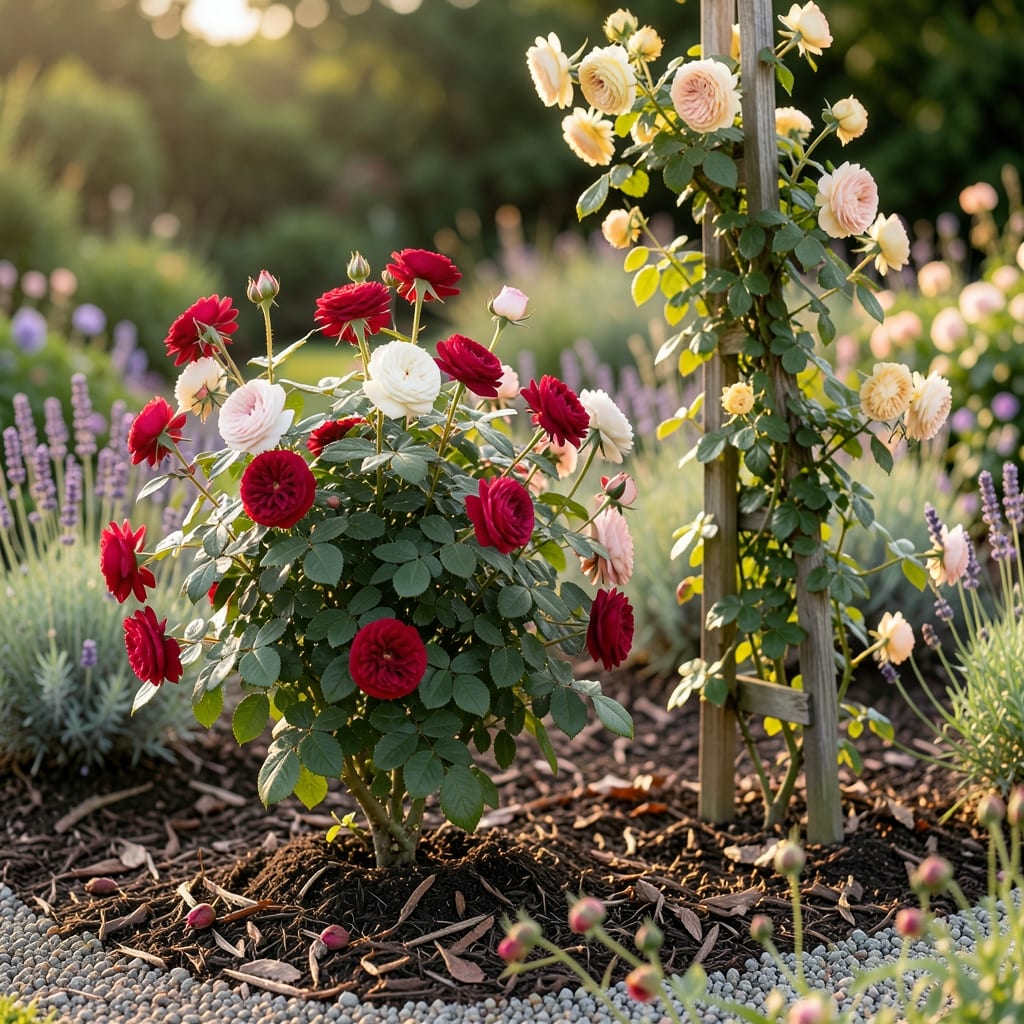
If you’ve ever wondered how tall can rose bushes grow, the answer might surprise you—your 🌹 rose bush could stay as short as a child’s height or climb higher than a two-story house, depending on the variety and care you give it.
Most gardeners plant roses expecting them to stay in a neat, manageable size, but without the right knowledge, those delicate blooms can quickly turn into unruly giants. Whether you’re working with a compact shrub or a climbing variety, understanding growth patterns is the key to keeping your garden looking intentional—not overwhelmed.
In this guide, I’ll break down the natural height ranges of different rose types, from dwarf varieties that barely reach your knees to towering climbers that need a sturdy trellis. You’ll also learn pruning tricks to control height, so you can shape your roses to fit your space perfectly.
Ready to turn your rose garden into a showstopper without the chaos? Let’s dive into the secrets of managing your roses’ growth—so you can enjoy their beauty without the headache of overgrowth.

Natural height ranges of rose bush types: from dwarf to climbing giants
Understanding how tall can rose bushes grow starts with knowing the variety you’re working with. Roses aren’t one-size-fits-all—they range from miniature roses that stay under 2 feet to climbing roses that can stretch over 20 feet when trained properly. The key to managing their height lies in selecting the right type for your space and garden goals.
For example, a dwarf rose bush like the 'Fairy' variety might only reach 1-2 feet, making it perfect for container gardens or window boxes. Meanwhile, a climbing rose like 'New Dawn' can grow up to 15-20 feet, ideal for covering pergolas or fences. Even within the same category, like shrub roses, heights can vary dramatically—some stay around 3-4 feet, while others reach 6 feet or more.
Here’s a quick breakdown of the most common rose types and their mature height ranges to help you visualize their potential:
| Rose Type | Height Range | Best For |
|---|---|---|
| Miniature Roses | 1-2 ft | Containers, window boxes, fairy gardens |
| Floribunda Roses | 2-4 ft | Borders, garden beds, small hedges |
| Hybrid Tea Roses | 3-6 ft | Cut flowers, garden focal points |
| Shrub Roses | 4-8 ft | Hedges, privacy screens, mass plantings |
| Climbing Roses | 10-20+ ft | Trellises, arbors, fences, pergolas |
| Groundcover Roses | 1-3 ft (spreading) | Slopes, erosion control, low borders |
The height of a rose bush isn’t just about the variety, though. Factors like pruning habits, soil quality, and sunlight exposure can dramatically alter how tall your roses grow. For instance, a climbing rose left unpruned might sprawl uncontrollably, while one pruned regularly can be trained to stay within a specific height range. Even shrub roses can be kept shorter with strategic pruning, making them versatile for different garden layouts.
If you’re planning a small garden, consider dwarf or miniature roses—they’re perfect for adding color without overwhelming your space. On the other hand, if you have a large yard or vertical space, climbing roses can create stunning focal points with minimal ground footprint. The key is to match the rose’s natural growth habit to your garden’s design and maintenance preferences.
For example, the 'Knock Out® Rose' is a popular shrub rose that typically grows 3-4 feet tall, making it ideal for hedges or borders. In contrast, the 'Blaze' rose is a climbing variety that can reach 12-15 feet, perfect for covering a trellis or arbor. Knowing these differences helps you avoid planting a giant climber where it’ll have nowhere to grow—or a tiny dwarf where it’ll get lost in the landscape.
Another critical factor is rootstock. Many roses are grafted onto rootstocks that influence their vigor and height. A weak rootstock like 'Dr. Huey' can keep a rose bush shorter, while a strong rootstock like 'Manettii' encourages taller growth. If you’re buying roses, ask about the rootstock to better predict how tall your plant will grow over time.
Finally, don’t overlook the role of climate and care. Roses in warmer climates with plenty of sunlight tend to grow taller and bushier, while those in cooler or shaded areas may stay shorter. Proper watering, fertilizing, and mulching also contribute to healthier growth, so even within the same variety, your roses might grow differently based on your local conditions.
Now that you know the natural height ranges of different rose types, you’re ready to choose the perfect variety for your garden—and learn how to manage their growth for a polished, intentional look. Next, we’ll dive into pruning techniques to keep your roses at your desired height without sacrificing their beauty.
Pruning techniques to control rose bush height: when, how, and why
Once you’ve chosen your rose variety, the next step to control how tall can rose bushes grow is mastering pruning techniques. Pruning isn’t just about cutting back overgrowth—it’s a strategic way to shape your roses, encourage healthier blooms, and keep their height in check. Whether you’re dealing with a compact shrub or a towering climber, the right pruning approach makes all the difference.
For most rose bushes, spring pruning is your best friend. This is when you remove dead, diseased, or crossing branches to open up the center of the plant and promote airflow. But timing matters: Prune too early, and you risk damaging new growth; wait too long, and you’ll cut back next year’s blooms. Aim to prune just as new shoots emerge in early spring, before the leaves fully unfurl.
Here’s a step-by-step guide to pruning your roses for height control, tailored to different types and seasons:
-
Step 1: Gather Tools
Sharp bypass pruners, loppers, gloves, rubbing alcohol (to sterilize tools), and a bucket for clippings. -
Step 2: Identify Dead Wood
Cut out any blackened, mushy, or brittle stems—these won’t regrow and can harbor disease. -
Step 3: Shape the Bush
For shrub roses, cut back 1/3 of the plant’s height to encourage bushier growth. For climbers, prune to remove old canes and train new growth along supports. -
Step 4: Prune for Height
To keep roses shorter, cut back long stems to just above a leaf node. For taller growth, leave more of the cane intact but thin out crowded branches. -
Step 5: Sterilize Tools
Wipe blades with rubbing alcohol between cuts to prevent spreading disease. -
Step 6: Mulch and Water
Add 2-3 inches of mulch around the base and water deeply to reduce stress on the plant.
One common mistake gardeners make is pruning at the wrong time. Summer pruning is all about maintaining shape and encouraging repeat blooming in varieties like Knock Out® Roses. Simply trim back spent blooms just above a set of leaves to redirect energy into new growth. Avoid heavy pruning in summer, as it can stress the plant before winter.
For climbing roses, pruning is more about training than height control. These roses need a support structure like a trellis or arbor, and you’ll want to prune to encourage long, flexible canes that can cling to the support. Remove any canes that are older than 3 years, as they produce fewer blooms, and focus on keeping the strongest, healthiest canes.
If you’re dealing with a wildly overgrown rose bush, don’t panic. Heavy pruning in late winter or early spring can reinvigorate even the most unruly plants. Simply cut back 1/2 to 2/3 of the plant’s height, making sure to leave at least 3-5 strong canes to support new growth. Over time, your rose will regain its shape and produce more blooms.
Finally, remember that pruning isn’t just about height control—it’s also about plant health. Regular pruning reduces the risk of fungal diseases like black spot by improving airflow, and it encourages stronger, more vibrant blooms. With the right techniques, you can keep your roses at your desired height while ensuring they thrive for years to come.
Now that you know how to prune for height control, you’re ready to shape your roses to fit your garden perfectly. Next, we’ll explore how to choose the right rose bush for your space, so you can create a stunning, low-maintenance rose garden that fits your layout and style.