
Flowers
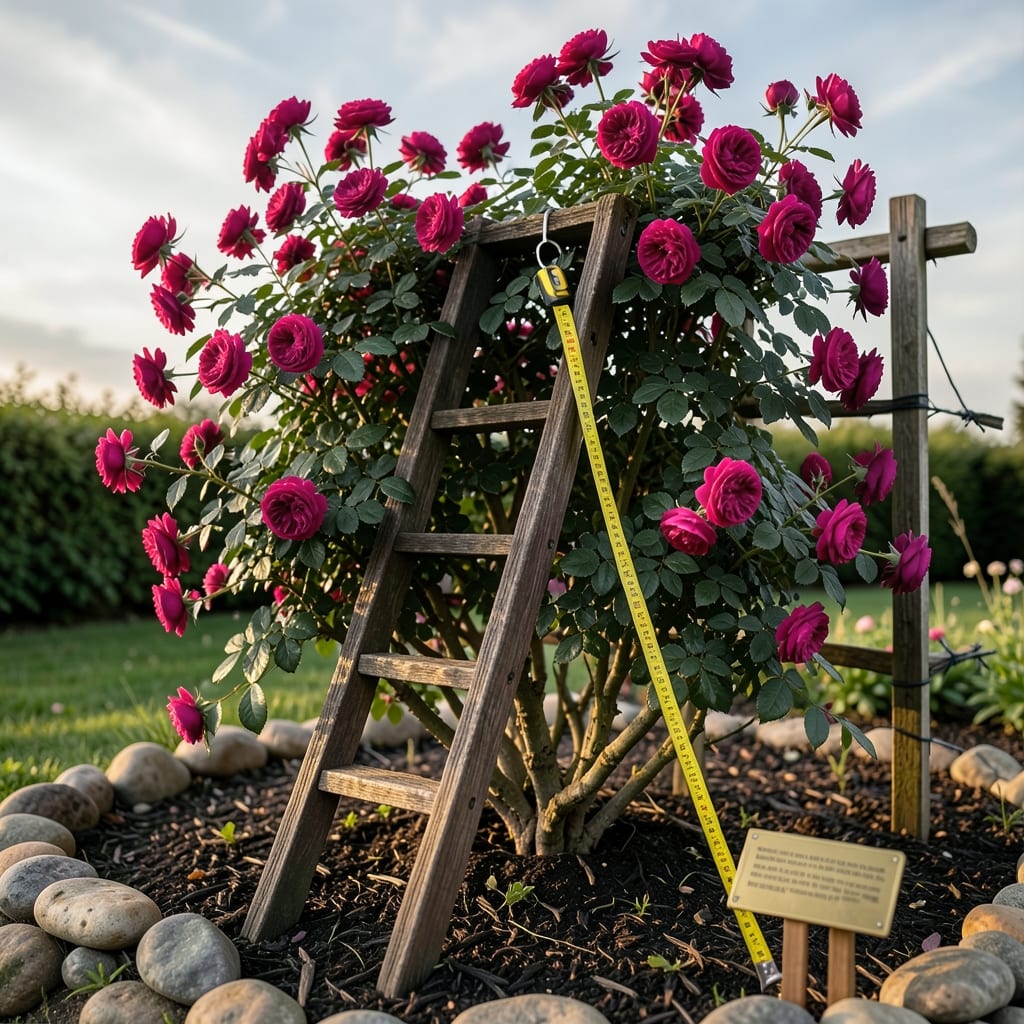
If you’ve ever dreamed of a garden that feels like a romantic storybook, you’re in luck—because how tall can roses grow depends entirely on the variety you choose. Some roses stay cozy and compact, perfect for small spaces, while others can climb 30 feet or more, turning your fence or trellis into a living work of art.
Picking the right rose isn’t just about aesthetics—it’s about matching your garden’s space, sunlight, and even your pruning style. A climbing rose might need a sturdy support system, while a bush rose could thrive in a neat, contained bed. The key is understanding their growth habits so you can create a space that’s both beautiful and manageable.
In this guide, I’ll break down the height ranges for climbing, shrub, and miniature roses, plus the simple tricks to control their growth. Whether you’re working with limited space or aiming for a dramatic vertical display, you’ll find the perfect fit for your garden’s vision.
Ready to transform your outdoor space? Let’s dive into the secrets of rose heights—and how to make them work for you, no matter the size of your yard.


Climbing rose heights: from 6 feet to 30+ feet explained
Climbing roses are the vertical giants of the rose world, capable of reaching heights that will make your garden feel like a fairytale. While some varieties stay modest at 6-10 feet, others can scale trellises, arbors, or even house walls to heights over 30 feet. The key to managing their growth lies in understanding their natural growth habits and providing the right support structures.
If you've ever dreamed of a romantic garden trellis covered in blooms or a dramatic vertical accent wall, climbing roses are your answer. But not all climbers are created equal—some grow aggressively upward, while others spread more horizontally. Choosing the right variety for your space and pruning strategy will determine whether your roses reach skyscraper heights or stay in check.
Here’s how climbing roses break down by height range, along with their unique care needs:
| Height Range | Common Varieties | Growth Habit | Support Needs |
|---|---|---|---|
| 6–10 ft | 'New Dawn', 'Blaze' | Moderate spread, strong vertical growth | Trellis, arbor, or fence |
| 10–20 ft | 'Zephirine Drouhin', 'Albertine' | Aggressive climber, long canes | Strong trellis or wall support |
| 20–30 ft | 'Rambling Rector', 'Rosemary' | Extreme vertical reach, sprawling canes | Heavy-duty trellis or pergola |
| Over 30 ft | 'Rambling Rector', 'Dr. Huey' | Uncontrolled spread, massive canes | Custom-built support or natural structures |
The 6-10 foot range is perfect for small gardens or balconies, where you can train roses along a simple trellis or fence. Varieties like 'New Dawn' are disease-resistant and thrive in USDA Zone 5-9, making them a great choice for cooler climates. Prune these roses in late winter to encourage new vertical growth.
For 10-20 foot climbers like 'Zephirine Drouhin', you’ll need a sturdy trellis or wall to handle their weight. These roses produce long, flexible canes that can reach 20 feet in a single season if given the right conditions. Plant them near a south-facing wall to maximize sunlight exposure, which is critical for their vigorous growth.
When dealing with 20-30 foot varieties, think big. 'Rambling Rector' is a classic example, capable of covering an entire pergola in blooms. These roses require heavy-duty support and regular pruning to manage their spread. If you’re planting near a house or fence, ensure the structure can withstand the weight of mature canes.
For the extreme climbers over 30 feet, you’re entering jungle-level territory. These roses, like 'Dr. Huey', can overwhelm even the largest gardens if left unchecked. They thrive in warm climates (Zones 7-10) and need custom-built supports, like metal trellises or cable systems. If you’re growing these, plan for annual pruning in late winter to control their height and shape.
One common mistake gardeners make is underestimating support needs. A 6-foot trellis won’t cut it for a 20-foot climber—the canes will snap under their own weight. Always choose a support system that’s at least 20% taller than your rose’s mature height. For example, a 10-foot rose needs a 12-foot trellis to avoid damage.
Another tip: Prune for structure, not just height. When training climbing roses, focus on selecting 3-5 strong canes each year and removing weaker growth. This ensures your rose puts energy into vertical growth rather than wild sprawling. Use soft ties (like garden twine) to gently guide canes along the support, avoiding tight binding that can damage the bark.
If you’re new to climbing roses, start with a 6-10 foot variety like 'Blaze'. It’s hardy, disease-resistant, and perfect for small spaces. Once you’ve mastered the basics of <
Bush rose height variations: compact to standard sizes for every garden
Bush roses offer the perfect balance between manageable size and stunning blooms, making them ideal for small gardens, containers, or even urban patios. Their height varies dramatically from miniature varieties that barely reach your knee to shrub roses that rival small trees. Choosing the right size ensures your roses thrive without overwhelming your space.
For tight spaces, miniature roses (under 1 foot tall) are perfect for window boxes or fairy gardens. These dainty varieties pack big floral power while staying contained. At the other end of the spectrum, shrub roses (5-8 feet) create dramatic focal points in larger landscapes, offering both height and seasonal interest.
Here’s how bush rose heights break down by category, along with their growth habits and care needs:
Bush Rose Height Guide
| Category | Height Range | Spacing Needs | Growth Rate |
|---|---|---|---|
| Miniature | Under 1 ft | 6–12 inches apart | Slow to moderate |
| Patio | 1–3 ft | 12–18 inches apart | Moderate |
| Standard | 3–5 ft | 2–3 ft apart | Fast |
| Shrub | 5–8 ft | 3–4 ft apart | Fast to very fast |
Spacing ensures airflow and reduces disease risk. Adjust for container growing.
To encourage fuller growth without excessive height, focus on pruning in early spring and regular feeding with a balanced fertilizer (5-10-5 NPK). For varieties like 'Knock Out' roses, which naturally stay compact, minimal pruning is needed—just remove dead wood to maintain shape.
If you’re working with limited space, dwarf varieties like 'Playboy' or 'Fairy' are game-changers. They thrive in containers and still produce abundant blooms. Meanwhile, shrub roses like 'The Fairy' or 'Dr. Huey' add vertical interest without requiring a trellis, making them low-maintenance giants.
Pro tip: Plant bush roses in groups of 3–5 for a lush, layered look. This creates a natural visual barrier while keeping individual plants manageable. Pair taller varieties at the back with shorter ones in front for depth and texture.