
Size
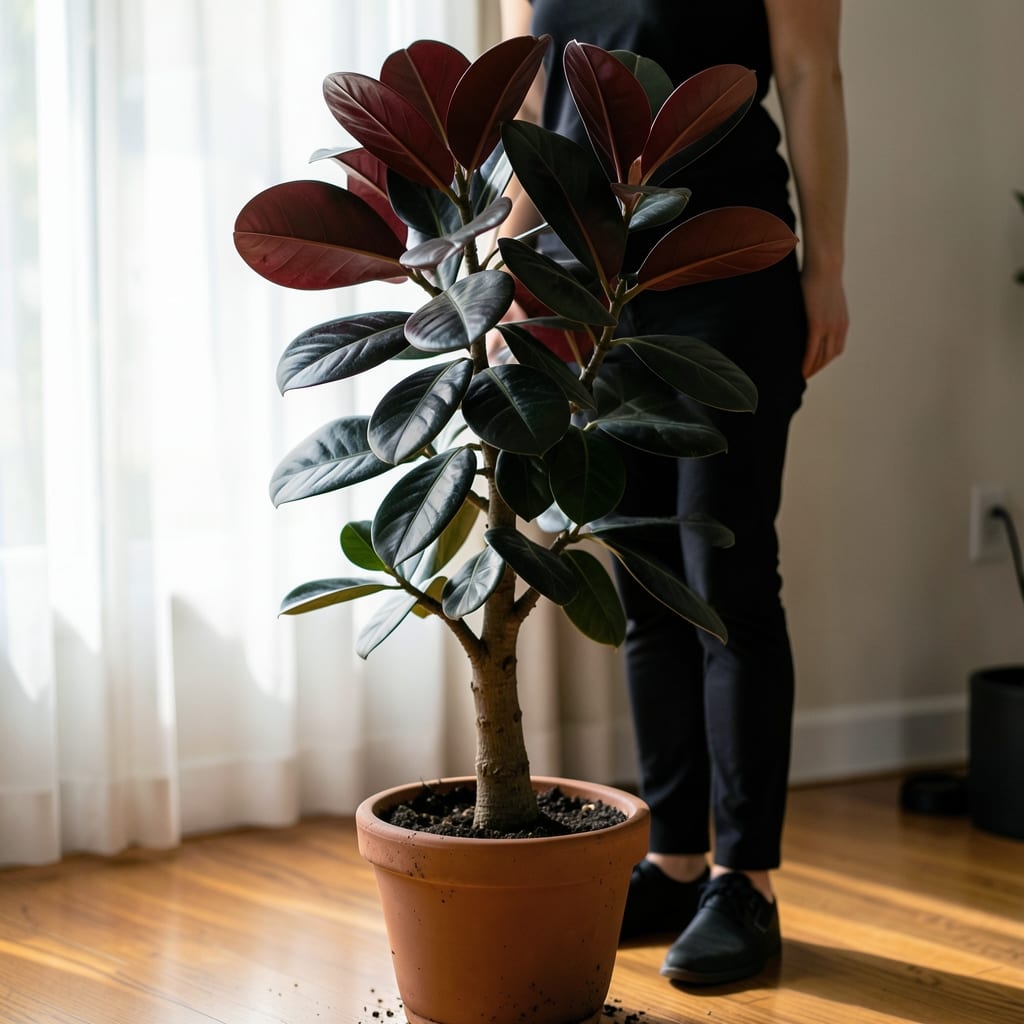
If you’ve ever wondered how tall can rubber plants grow before they become a ceiling hazard, you’re not alone. These striking 🌿 Rubber Plants can stretch toward the sky—indoors, they often reach 6–10 feet, while outdoors, they can soar even higher. The key to managing their height lies in understanding their growth habits and a few simple care tricks.
Your rubber plant’s final height depends on factors like light exposure, pot size, and even the variety you choose. Whether you’re growing a Robusta or a Doescheri, knowing these details helps you decide whether to let it grow wild or keep it compact. With the right approach, you can enjoy its lush foliage without sacrificing your living space.
Pruning is the game-changer for controlling height. By trimming strategically, you can encourage bushier growth or keep it at a manageable size. Plus, those cuttings can root and become new plants—it’s a win-win! Let’s dive into how to keep your rubber plant thriving at the perfect height for your home.
From indoor giants to well-managed houseplants, your rubber plant’s height is entirely in your hands. With the right care, you’ll find the sweet spot between letting it grow naturally and keeping it under control. Ready to learn the secrets to managing its size? Let’s get started.


Natural height limits of rubber plants: indoor vs. outdoor growth potential
Rubber plants (Ficus elastica) are natural climbers that can grow surprisingly tall when given the right conditions. Indoors, they typically reach 6–10 feet, while outdoors, they can soar to 15 feet or more in tropical climates. The key difference lies in light exposure, pot size, and variety—factors you can control to shape your plant’s growth.
Understanding these limits helps you plan for your space. A Robusta variety, for example, grows faster and taller than a Doescheri, which has variegated leaves and slower vertical growth. Your goal might be to keep it compact or let it grow wild—either way, knowing these limits keeps your rubber plant happy.
Light exposure is the #1 factor for height. In low light, rubber plants stretch toward light sources, creating leggy stems and slower growth. Bright, indirect light (like an east-facing window) encourages bushier, healthier growth. If your plant is reaching for the ceiling, it’s likely not getting enough light.
Pot size also plays a role. Root-bound plants grow taller faster because they’re competing for nutrients. If your rubber plant is root-bound, repotting into a slightly larger container can slow vertical growth and encourage fuller foliage. Aim for a pot that’s 2–3 inches wider than the root ball.
Outdoors, rubber plants thrive in USDA Zones 10–12, where they can grow into small trees. In cooler climates, they’re best kept as houseplants. Even indoors, they can live for decades with proper care, making height management a long-term consideration.
Here’s a quick comparison of how rubber plants grow in different settings:
| Setting | Height Range | Key Factors |
|---|---|---|
| Indoors | 6–10 feet | Light, pot size, pruning |
| Outdoors (Tropical) | 15+ feet | Climate, soil, space |
| Greenhouse | 10–12 feet | Humidity, light, pruning |
If you’re growing a rubber plant indoors, aim for bright indirect light to keep it compact. Place it near a window but avoid direct sunlight, which can scorch its leaves. A south-facing window with sheer curtains works well, or use a grow light for 12–14 hours daily.
Variety matters too. The Robusta variety grows faster and taller, while Doescheri stays slightly shorter but wider. If space is limited, choose a dwarf variety or prune regularly to control height. Even a few inches of trimming can make a big difference over time.
Pruning isn’t just for height control—it also encourages bushier growth and healthier leaves. By cutting back leggy stems, you redirect energy to new shoots. Plus, those cuttings can root easily in water or soil, giving you free plants! It’s a win-win for managing size and propagating.
For outdoor growers, rubber plants can become small trees with proper care. In warm climates, they thrive in partial shade and well-draining soil. Mulching helps retain moisture and keeps roots cool, which is especially important in hot summers. If you’re growing one outdoors, expect it to reach its full height within 5–10 years.
Remember, rubber plants grow at different rates based on their environment. A plant in a sunny indoor spot may grow faster than one in a dim corner. Pay attention to its growth habits and adjust care as needed. With the right balance of light, space, and pruning, you can enjoy a rubber plant that fits perfectly in your home—whether it’s a towering statement piece or a compact tabletop plant.
Pruning rubber plants for controlled height: step-by-step tricks to maintain size
Pruning is your secret weapon for keeping rubber plants at a manageable height while encouraging lush, bushier growth. When done correctly, it redirects energy to new shoots and prevents those leggy stems from reaching for the ceiling. The best time to prune is during spring or early summer, when your plant is actively growing. Avoid heavy pruning in fall or winter, as this can stress the plant during its dormant phase.
Start by inspecting your rubber plant for overgrown stems or branches that are growing in unwanted directions. Look for stems that are too long (often 6+ inches above your desired height) or those that are bare at the bottom. These are prime candidates for trimming. Use clean, sharp pruners or scissors to make clean cuts just above a leaf node—this is where new growth will sprout.
Here’s a step-by-step guide to pruning your rubber plant for controlled height:
- Step 1: Gather Tools
Clean pruners, rubbing alcohol (to sterilize), and a small pot for cuttings (optional). - Step 2: Identify Stems to Prune
Choose stems that are too tall or leggy. Aim for cuts just above a leaf node. - Step 3: Make the Cut
Angle cuts slightly downward to prevent water from pooling. Use one smooth motion to avoid crushing the stem. - Step 4: Propagate Cuttings (Optional)
Place cuttings in water or moist soil to root. New plants in 4–6 weeks! - Step 5: Post-Pruning Care
Water lightly and place in bright, indirect light. Avoid fertilizing for 2–3 weeks to reduce stress.
Pruning doesn’t have to be drastic—even small trims can encourage fuller growth. For example, if your rubber plant is 3 feet tall but you’d prefer it at 2 feet, trim the top 6–12 inches. This will stimulate side shoots, giving you a bushier plant in just a few months. Over time, consistent pruning keeps your rubber plant at your desired height while maintaining its health.
Another trick for controlling height is pinching. Instead of cutting, simply pinch off the tips of new growth when they’re about 3–4 inches long. This encourages the plant to branch out rather than grow taller. Pinching is ideal for younger plants or when you want to shape growth without removing large sections of the plant.
If your rubber plant is already quite tall and you’re aiming for a dramatic size reduction, consider aggressive pruning. Cut back stems to within 6–12 inches of the base, and your plant will respond by sending out multiple new shoots from the remaining stem. This method works well for reviving leggy plants and can transform a towering rubber plant into a full, compact shrub in just a season.
After pruning, your rubber plant may look a bit sparse at first, but don’t worry—it will bounce back with vibrant new growth. To speed up recovery, keep it in bright indirect light and maintain consistent watering. Avoid overwatering, as this can stress the plant while it’s adjusting to its new shape. With patience and care, your pruned rubber plant will thrive at your ideal height.