
How To
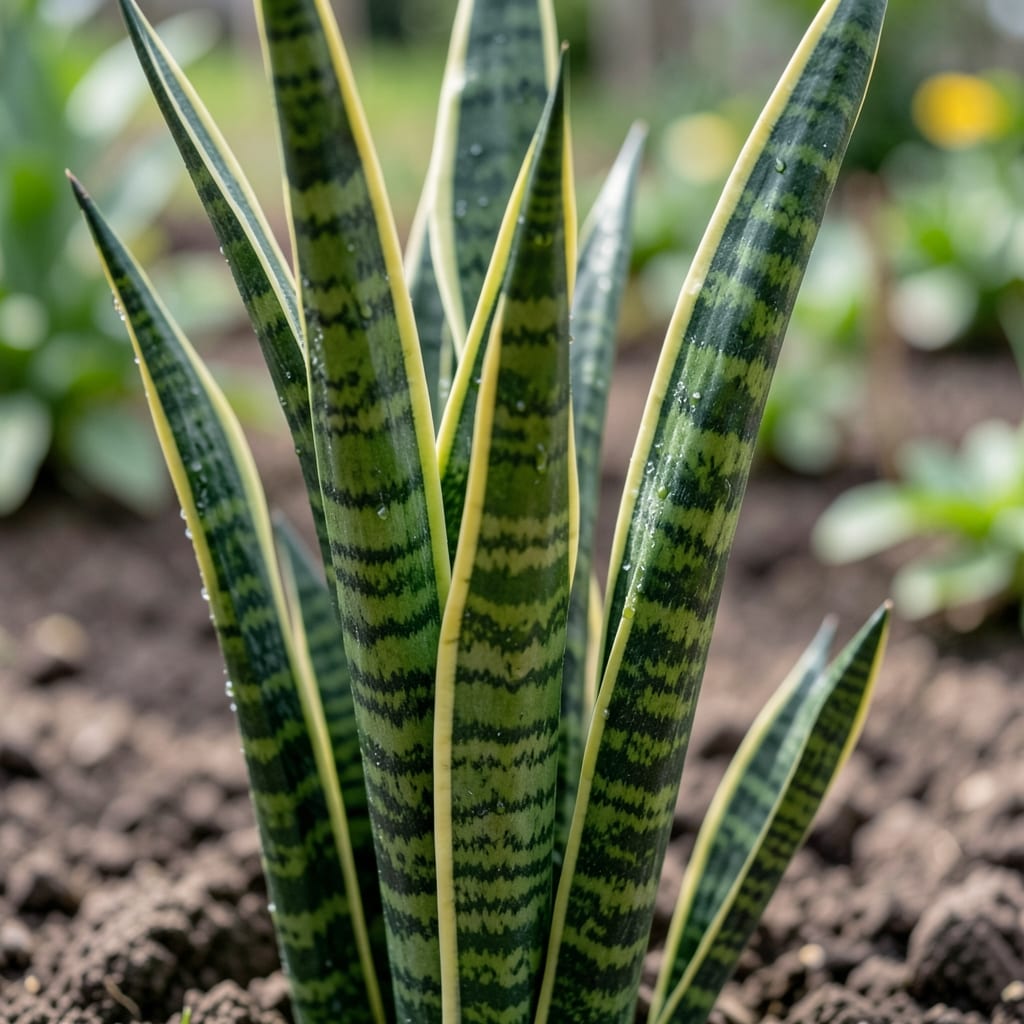
Indoor snake plant height: how tall can it grow inside?
When you bring a snake plant indoors, its height depends on the variety, light exposure, and pot size. Most common varieties like Sansevieria trifasciata (also called Mother-in-Law’s Tongue) reach 2 to 3 feet indoors, but some dwarf varieties stay under 1 foot. With ideal conditions, a mature snake plant can even hit 4 feet indoors, though this is less common.
Your snake plant’s growth rate slows indoors compared to outdoor conditions. In the first year, expect 1 to 2 feet of growth, while older plants add just 6 to 12 inches annually. The key to encouraging height is providing bright, indirect light—like near an east-facing window—and avoiding overcrowded pots.
If your plant stretches too tall or leans toward the light, it’s likely light-deprived. Rotate the pot every few weeks to ensure even growth. A snake plant in low light may grow leggy and weak, reaching heights of 3 feet but with sparse foliage. Proper light keeps it sturdy and compact.
Pot size also plays a role. A snake plant in a small container (6-8 inches wide) will focus energy on height rather than spreading roots. Upgrade to a 12-inch pot every 2-3 years to support healthier, slower growth. Overpotting can actually stunt height by encouraging root expansion instead of vertical growth.
Here’s how snake plant height compares by variety when grown indoors:
| Variety | Indoor Height Range | Growth Rate | Care Tip |
|---|---|---|---|
| Sansevieria trifasciata 'Laurentii' | 2–3 ft | Slow to moderate | Needs bright light to prevent legginess |
| Sansevieria 'Futura Superba' | 3–4 ft | Moderate | Repot every 3 years for height control |
| Sansevieria 'Hahnii' (Bird’s Nest) | 1–2 ft | Slow | Thrives in low light; minimal height growth |
| Sansevieria 'Moonshine' | 2–3 ft | Moderate | Use well-draining soil to prevent root rot |
To maximize height without sacrificing health, place your snake plant in a south-facing window (if available) and avoid overwatering. These plants store water in their leaves, so water every 2-3 weeks in winter and every 1-2 weeks in summer. Overwatering leads to root rot, which stunts growth entirely.
If your snake plant starts to yellow at the tips, it’s often a sign of overwatering or fluoride buildup from tap water. Switch to filtered or distilled water and reduce watering frequency. Healthy leaves should remain thick, upright, and vibrant green—never mushy or drooping.
For snake plants in low-light offices, growth will be slower, but they’ll still reach 1.5 to 2.5 feet over 5 years. Supplement with a grow light (12 hours/day) to encourage taller, sturdier growth. Just avoid direct sunlight, which can scorch the leaves.
Pro tip: If your snake plant outgrows its space, propagate the pups (baby plants) at the base. This keeps your main plant compact while giving you new plants to share or display elsewhere. Just use a clean, sharp knife to separate the pups and let them callous for a day before repotting.
Outdoor snake plant growth: when and how much taller can it get?
When your snake plant (Sansevieria) moves outdoors, it can stretch its legs—literally. Outdoor conditions often push these hardy plants to double their indoor height, sometimes reaching 6 feet or more under ideal circumstances. The key factors? Sunlight exposure, soil quality, and climate conditions. Let’s explore how outdoor environments transform your snake plant’s growth potential.
In full sun environments—like Mediterranean climates or warm desert regions—snake plants thrive and can grow 3-5 feet taller than their indoor counterparts. Varieties like Sansevieria trifasciata 'Laurentii' often become towering architectural plants when planted in the ground. However, in cooler climates or partial shade, growth may slow to 2-3 feet taller than indoor plants.
| Condition | Indoor Height | Outdoor Height | Growth Boost |
|---|---|---|---|
| Sunlight | 2-3 ft | 4-6 ft | 2x taller |
| Partial Shade | 2-3 ft | 3-4 ft | 1.5x taller |
| Well-Draining Soil | 2-3 ft | 5-7 ft | 3x taller |
| Poor Soil | 2-3 ft | 2-3 ft | No growth boost |
Seasonal variations also play a role. In spring and summer, snake plants experience rapid growth spurts, especially in USDA Zones 9-11. If you live in cooler regions like Zones 7-8, growth may slow during winter months, but the plant will still outpace indoor growth when conditions improve. For example, a 3-year-old snake plant indoors might hit 3 feet, but the same plant outdoors in full sun could reach 5-6 feet within the same timeframe.
To maximize outdoor height, plant your snake plant in well-draining soil mixed with sand or perlite to prevent root rot. Avoid heavy clay soils, which can stunt growth. Additionally, mulching around the base helps retain moisture while allowing excess water to drain—critical for encouraging vertical growth. Just remember: more sun = taller plant, but avoid scorching leaves by providing some afternoon shade in intense climates.
If you’re concerned about your snake plant becoming too tall, consider planting it in a large container rather than in the ground. This gives you control over root spread and makes it easier to move the plant indoors during colder months. With the right conditions, your outdoor snake plant could become a stunning vertical focal point in your garden or patio.
For those in cooler climates, overwintering your snake plant indoors can help preserve its height gains. Simply dig it up before the first frost and repot it in a well-draining container until spring. This way, you’ll retain its impressive outdoor growth while protecting it from winter damage.