
Trees
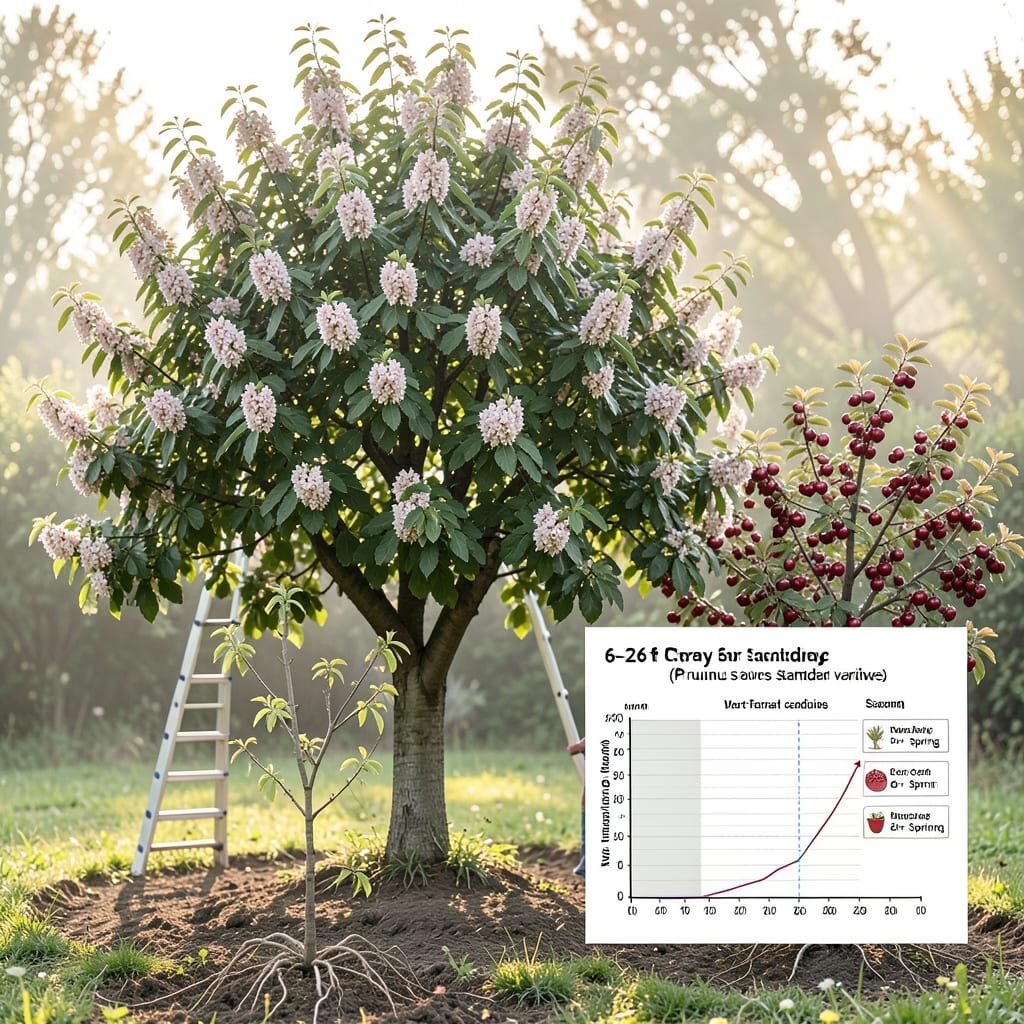
If you've ever dreamed of picking fresh cherries from your own backyard but hesitated because of space concerns, how tall cherry trees grow might surprise you. These stunning 🌳 trees can range from compact dwarf varieties to towering giants that reach heights of 40 feet or more.
The good news? You don't need a sprawling estate to enjoy them. Whether you're working with a small urban yard or a spacious rural plot, there's a cherry tree variety that will fit perfectly. From sweet Bing cherries to tart Montmorency, each type has its own growth story—and knowing these differences is the key to choosing the right tree for your space.
Curious about how quickly these trees grow? Some varieties can add 3 feet of height in just one season, while others grow more slowly but still reach impressive sizes. We'll break down the growth rates by variety and share expert tips on managing their height through pruning and care.
Ready to transform your garden with these versatile trees? Let's explore the height ranges, growth secrets, and practical tips to help you select—and maintain—the perfect cherry tree for your landscape.

Cherry tree height ranges by variety: from dwarf to giant
If you're dreaming of a backyard cherry tree but worried about space, don't panic! Cherry trees come in a stunning range of heights—from compact dwarf varieties perfect for small yards to towering standard trees that make a dramatic statement. The right choice depends on your space, sunlight, and long-term care goals. Let's break down the height ranges so you can pick the perfect tree for your landscape.
Most cherry trees fall into four main height categories: dwarf (8–12 ft), semi-dwarf (12–18 ft), standard (20–40 ft), and ornamental varieties (15–30 ft). Your backyard's size and layout will dictate which type works best. For example, a dwarf Bing cherry fits snugly in a suburban yard, while a standard Stella cherry needs room to stretch toward the sky like a natural skyscraper.
Here’s the key: mature height isn’t the only factor. Growth rate, pruning needs, and even root spread matter just as much. A 15-foot tree might sound manageable, but its roots could spread 10 feet outward, crowding other plants. Always measure your space—and leave room for future growth!
| Variety Type | Mature Height | Space Needs | Best For |
|---|---|---|---|
| Dwarf Sweet Cherries | 8–12 ft | 10 ft diameter | Small yards, containers, urban gardens |
| Semi-Dwarf Tart Cherries | 12–18 ft | 12–15 ft diameter | Suburban backyards, orchards |
| Standard Sweet Cherries | 20–40 ft | 20+ ft diameter | Large properties, rural landscapes |
| Ornamental Cherries (e.g., Yoshino) | 15–30 ft | 15–20 ft diameter | Landscaping focal points, parks |
| Columnar Cherries (e.g., 'Columnar Stella') | 12–20 ft | 6–8 ft diameter | Narrow spaces, hedgerows |
🌱 Pro Tip: Always check the specific variety’s tag—some "dwarf" trees can still grow taller if unpruned!
Now, let’s talk about sweet vs. tart cherries, since their height potential differs. Sweet cherries like Bing or Rainier often grow taller (up to 30–40 feet for standard varieties), while tart cherries such as Montmorency or Meteor tend to stay shorter (typically 15–25 feet). If you’re short on space, opt for a dwarf tart cherry like 'Balaton'—it tops out at just 8–10 feet while still producing a bountiful harvest.
Ornamental cherry trees, like the Yoshino cherry or Okame cherry, are all about spring blooms rather than fruit. These beauties can reach 20–30 feet and are prized for their pink or white blossoms that create a stunning canopy. If you love the look but not the mess of fruit, these are perfect for landscaping.
One variety that’s gaining popularity is the columnar cherry tree. These trees grow narrow and upright (typically 12–20 feet tall but only 6–8 feet wide), making them ideal for small yards or urban gardens. Varieties like 'Columnar Stella' or 'Columnar Bing' produce fruit just like standard trees but with a fraction of the space.
Before you plant, consider your local climate zone. Cherry trees thrive in USDA Zones 5–8, but their growth rate can vary. In warmer zones (like Zone 8), trees may grow 1–2 feet faster per year than in cooler zones (like Zone 5). Always check your specific variety’s cold hardiness to avoid winter damage that could stunt growth.
Finally, don’t forget about root spread. A tree’s canopy might be 15 feet tall, but its roots can spread
How fast do cherry trees grow? Annual growth rates explained
If you're dreaming of a backyard cherry tree but short on patience, you'll love knowing that some varieties grow up to 2 feet per year in ideal conditions. However, growth rates vary dramatically between types—from slow-and-steady dwarf varieties to skyrocketing standard trees. Understanding these rates helps you plan for shade, space, and fruit production timelines.
Most cherry trees enter their fastest growth phase between ages 3 and 10. During this window, a standard sweet cherry can shoot up 12-18 inches annually, while tart cherries often outpace them with 18-24 inches per year. Even slower-growing varieties typically add 6-12 inches yearly once established.
🌱
Your cherry tree's growth speed depends on three critical factors: variety genetics, climate conditions, and care practices. For example, a 'Rainier' cherry in USDA Zone 7 with 6+ hours of sun and well-draining soil will outgrow the same tree in Zone 5 with partial shade. Even within the same zone, watering consistency and fertilizer timing can push growth rates by 30-50%.
To maximize growth, I recommend spring feeding with a 10-10-10 fertilizer when buds swell (late April) and again after harvest. Pair this with deep watering 2-3 times per week during dry spells. Avoid over-fertilizing in late summer—this can stimulate tender new growth that won't survive winter frosts.
🌿
If space is limited, consider semi-dwarf varieties like 'Black Tartarian' (matures at 12-15 feet) or columnar cherries (grow 8-10 feet tall but only 3 feet wide). These still produce abundant fruit while staying manageable. For the bold gardener, standard varieties offer the thrill of watching your tree double in height every 3-5 years—just be prepared for the eventual 40-foot shade canopy!