
Size
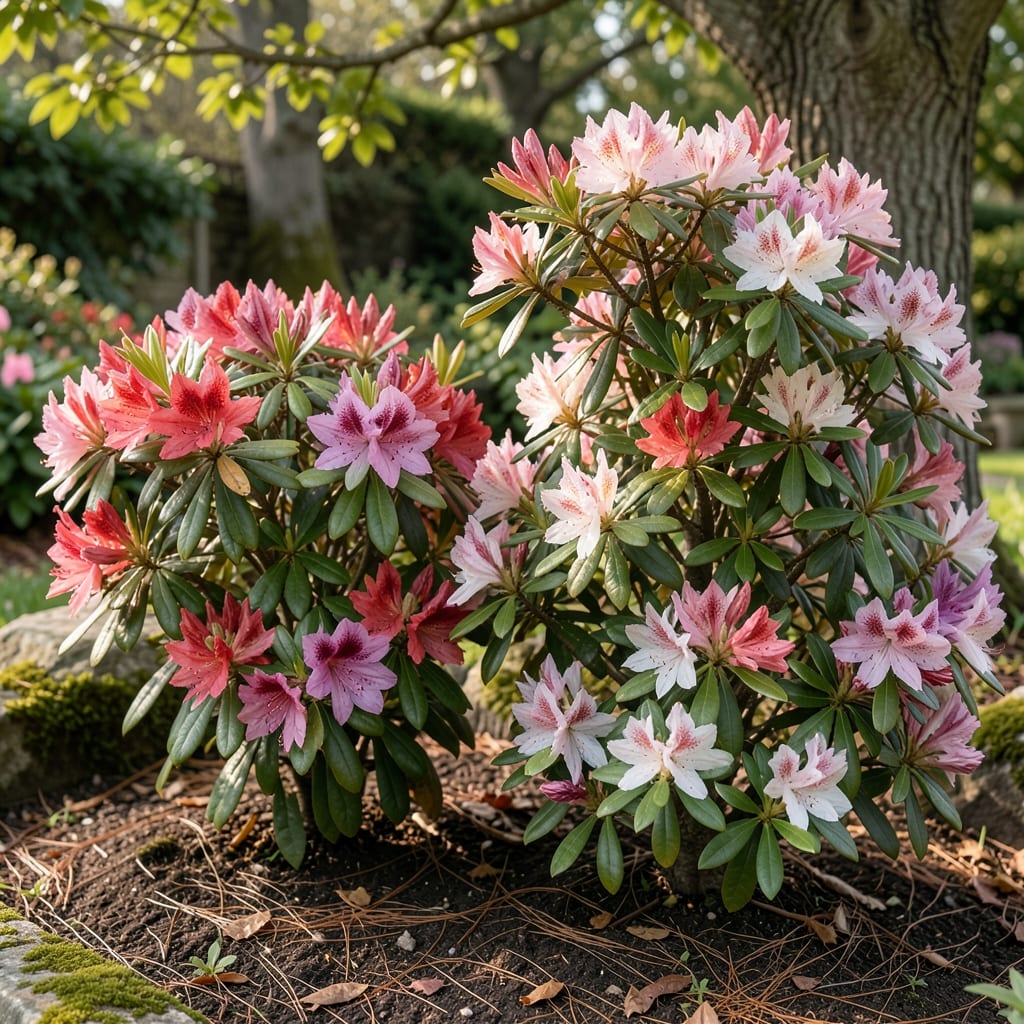
If you've ever wondered how tall do azalea bushes grow in your garden, the answer might surprise you—because these stunning 🌸 azaleas can range from compact shrubs to towering statement plants, all depending on the variety and care you provide.
For gardeners in USDA Zone 6a, where spring planting is ideal, azaleas can mature anywhere from 2 feet to a dramatic 12 feet, depending on whether you're growing a dwarf, semi-dwarf, or standard variety. The key to controlling their height lies in understanding their natural growth patterns and when to prune.
What most gardeners don’t realize is that pruning at the right time—not just when blooms fade—can drastically influence how tall your azalea grows while keeping it lush and full of vibrant blooms. I’ll show you exactly when and how to prune for the perfect height, whether you want a low border or a tall privacy screen.
Ready to transform your garden with azaleas that fit your space perfectly? Let’s dive into the secrets of managing their height naturally, so you can enjoy these beautiful shrubs without worrying about them outgrowing their welcome.


Natural azalea bush height ranges by variety: what to expect before pruning
Azaleas are one of those plants where genetics play a huge role in their final height. If you're planting a dwarf azalea, you can expect it to stay between 2 to 4 feet tall, making it perfect for foundation plantings or small gardens. These varieties are bred specifically to remain compact, so they won’t outgrow their space quickly.
On the other end of the spectrum, standard azalea varieties can reach an impressive 6 to 12 feet tall, creating a stunning privacy screen or focal point in larger landscapes. These are often the varieties you’ll find in parks or along highways, where their height adds drama to the scenery.
For those in between, semi-dwarf azaleas offer a middle ground, typically growing 4 to 6 feet tall. These are versatile enough for hedges, borders, or even as standalone specimens in mixed shrub beds. The key to choosing the right variety is understanding how much space you have and how you plan to use the plant.
Here’s a quick reference to help you visualize the differences:
| Variety | Mature Height | Best For | Growth Rate |
|---|---|---|---|
| Dwarf Azalea | 2–4 ft | Foundation plantings, small gardens | Slow to moderate |
| Semi-Dwarf Azalea | 4–6 ft | Hedges, borders, mixed beds | Moderate |
| Standard Azalea | 6–12 ft | Privacy screens, focal points | Fast to moderate |
Identifying your azalea’s variety can be tricky if you’re not sure what you’ve planted. Look for clues like leaf shape—evergreen azaleas have glossy, dark green leaves, while deciduous types shed theirs in fall. Also, note the flower cluster size and color, as these traits often align with specific varieties.
For example, the ‘Girard’s Pink’ azalea is a semi-dwarf variety that stays around 5 feet tall, while the ‘Southern Indigo’ can grow up to 10 feet if left unpruned. If you’re unsure, check the plant tag or consult your local nursery—they can help match your azalea to its growth expectations.
Another factor to consider is spread vs. height. While azaleas are often praised for their vertical growth, they also spread outward, sometimes doubling their height in width. This is especially true for standard varieties, which can create a 6-foot-wide canopy when mature. Planning for this spread is crucial to avoid overcrowding.
If you’re planting azaleas in USDA Zone 6a, where winters can be harsh, choose varieties known for cold hardiness. Dwarf and semi-dwarf types often handle cold better than taller varieties, which may suffer from winter dieback if not properly protected with mulch or burlap wraps.
One common misconception is that all azaleas grow tall naturally. In reality, pruning plays a massive role in controlling height, even for varieties with genetic height limits. For instance, a standard azalea left unpruned might reach 12 feet, but with regular pruning, you can keep it at 6 feet or less while maintaining a full, bushy appearance.
Understanding these natural height ranges will help you set realistic expectations and plan your garden layout accordingly. Whether you’re aiming for a low border or a tall hedge, knowing your azalea’s potential height is the first step to creating a stunning, well-balanced garden.
Best pruning timing to control azalea height without harming blooms
Pruning your azalea bushes at the wrong time can actually stunt blooms and encourage leggy growth, so timing is everything. Most gardeners make the mistake of pruning right after flowers fade, but this is a critical mistake for azaleas. The best time to prune depends on whether your plant blooms on old wood (last year’s growth) or new wood (current year’s growth).
For evergreen azaleas (which bloom on old wood), prune immediately after flowering but before new buds form, usually in late spring. This gives your plant time to develop next year’s blooms while keeping the height in check. For deciduous azaleas (which bloom on new wood), prune in late winter or early spring before buds swell.
I’ve found that spring pruning works best for most gardeners in USDA Zone 6a, as it aligns with the plant’s natural growth cycle. Start by removing dead or crossing branches first, then shape the bush by cutting back 1/3 of the oldest stems to encourage new growth from the base. This technique naturally reduces height over time while maintaining a full, vibrant appearance.
If you’re aiming for a compact azalea (2–4 feet), prune more aggressively in early spring, cutting back up to 50% of the growth from the previous year. For a taller privacy screen (6–12 feet), prune lightly in late spring to promote vertical growth while keeping the lower branches dense.
⚠️ Pruning Warning: Avoid These Mistakes
- Don’t prune after mid-summer: New growth won’t harden off before winter, risking frost damage.
- Never remove more than 1/3 of the bush: Over-pruning stresses azaleas and reduces flowering.
- Avoid pruning during dormancy: Winter pruning can expose tender new growth to cold.
🌿 Pro Tip: Sterilize your pruners with rubbing alcohol between cuts to prevent disease spread.
For height control, focus on pruning the top third of the bush to encourage lateral branching. Use sharp, bypass pruners for clean cuts just above a leaf node or bud. Avoid shearing, as it creates a dense, woody center that blocks airflow and invites pests. Instead, make angled cuts at 45 degrees to prevent water from pooling on the stem.
After pruning, apply a 2–3 inch layer of mulch around the base to retain moisture and suppress weeds. Water deeply in the morning to help the plant recover. With consistent pruning, you can keep your azaleas at your desired height—whether that’s a low border or a tall hedge—while ensuring they burst into blooms every spring.