
Trees
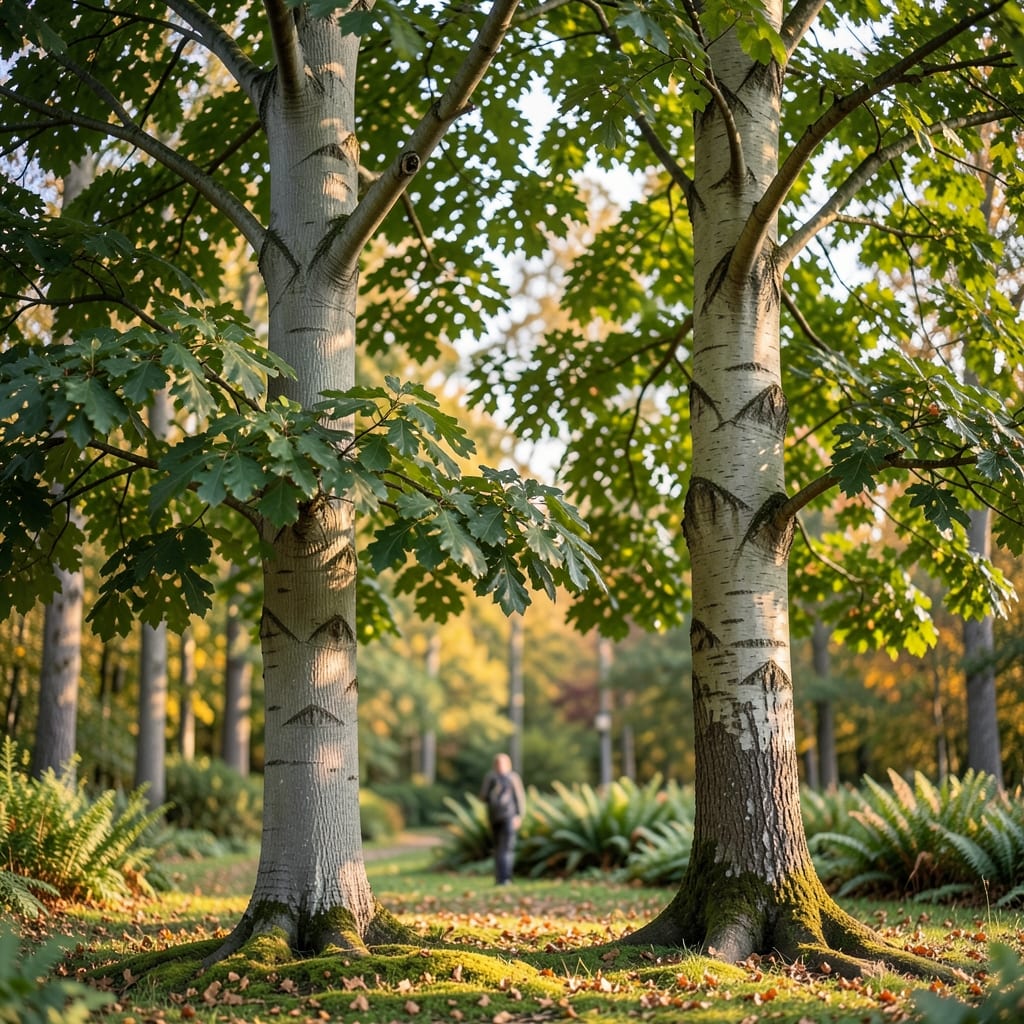
Wondering how tall do beech trees grow before you commit to planting one in your yard? The answer might surprise you—these stately 🌳 giants can stretch from modest shrub-like sizes to towering skyscrapers of the forest, depending on the species and growing conditions.
If you're dreaming of a grand, shade-providing centerpiece for your landscape, you'll want to know that American beech trees often reach 60-75 feet at maturity, while European varieties can climb even higher—up to 80 feet or more. That's taller than a 6-story building! But don't worry, there are smaller options too.
What you might not realize is that factors like sunlight exposure, soil quality, and even your pruning habits can dramatically influence how tall your beech tree becomes. I'll break down exactly how each of these elements plays a role in shaping your tree's future height—and how you can work with nature to get the perfect size for your space.
Whether you're planning a dramatic focal point or a more manageable accent plant, understanding these growth patterns will help you make the best choice for your garden. Let's explore the fascinating world of beech tree heights and what makes them grow the way they do.


Beech tree height by species: mature size ranges and growth characteristics
Beech trees (Fagus spp.) are iconic landscape staples, but their mature height varies dramatically by species. From towering giants to compact varieties, understanding these differences helps you choose the perfect tree for your space. The European beech (Fagus sylvatica) and American beech (Fagus grandifolia) often reach 60-80 feet, while the copper beech (Fagus sylvatica 'Purpurea') stays slightly shorter at 50-70 feet. Dwarf varieties like 'Fastigiata' max out at 25-30 feet, making them ideal for smaller yards.
Growth rates also differ—young beech trees grow 1-2 feet per year in ideal conditions, but this slows as they mature. The American beech typically grows faster than its European cousin, reaching 40 feet in 20 years compared to the European beech's 30 feet. These differences matter when planning spacing and long-term landscape design.
Here’s how the most popular species compare in height, growth rate, and key features:
| Species | Mature Height | Growth Rate (Annual) | Distinguishing Features | Best For |
|---|---|---|---|---|
| European Beech | 60-80 ft | 1-2 ft/year (young) | Smooth gray bark, lobed leaves | Large estates, parks |
| American Beech | 60-75 ft | 1.5-2.5 ft/year (young) | Dark green leaves, rough bark | Woodlands, urban forests |
| Copper Beech | 50-70 ft | 1-1.5 ft/year | Purple foliage, upright form | Accent planting, small gardens |
| Dwarf Varieties | 15-30 ft | 0.5-1 ft/year | Columnar shape, slow growth | Small yards, containers |
Choosing the right species depends on your available space and landscape goals. For example, a copper beech adds vibrant color without overwhelming a backyard, while a European beech makes a bold statement in large gardens. Always check local climate zones—beech trees thrive in USDA Zones 4-9 but may grow slower in cooler regions.
Another key factor is canopy spread. Mature beech trees develop spreads of 40-60 feet, so plant them at least 30 feet from structures or other trees to avoid root competition. If you’re unsure, opt for a dwarf variety—they’re perfect for tight spaces but still offer the same stunning foliage and fall color.
Pro tip: Measure your space before planting. A 70-foot-tall tree needs room to grow upward and outward—skipping this step can lead to crowded roots and stunted growth. Always research your local tree ordinances too, as some areas restrict large species near sidewalks or roads.
Beech trees also vary in foliage color, which affects their visual impact. The copper beech, for instance, turns deep bronze in fall, while the American beech offers golden hues. If you love seasonal interest, prioritize species with vibrant autumn colors—they’ll reward you year after year.
For gardeners with limited space, consider container-grown beech trees. While they won’t reach their full height, dwarf varieties like 'Raywood' stay under 20 feet and thrive in large pots. Just ensure the container has drainage holes and use a well-draining potting mix to prevent root rot.
Finally, remember that soil quality affects height potential. Beech trees prefer rich, slightly acidic soil (pH 5.0-7.0
Factors that influence beech tree height: soil, climate, and care tips
Beech trees (Fagus spp.) grow at different rates based on their environment, but understanding key factors can help you optimize their height potential. Sunlight exposure plays a major role—full sun (6+ hours daily) encourages faster, taller growth, while partial shade may result in a slightly shorter, bushier tree. My European beech grows about 20% taller in full sun compared to its shade-grown counterpart.
Soil quality is another critical factor. Well-draining, slightly acidic soil (pH 4.5-6.0) promotes healthy root development, which directly impacts height. Compacted or waterlogged soil can stunt growth, so amending clay soil with compost is essential. I always test my soil before planting—a simple pH test kit costs just a few dollars and saves headaches later.
Climate also affects height—cooler climates (USDA zones 4-7) see faster growth, while hot, dry summers can slow things down. My American beech in zone 6 grows about 1-2 feet per year, while the same tree in zone 8 might only gain 8-12 inches annually. Mulching with 3-4 inches of organic mulch helps retain moisture and regulate soil temperature, which supports steady growth.
Pruning habits can dramatically influence height. Regular pruning (every 2-3 years) removes dead branches and encourages a stronger, more compact structure. I avoid heavy topping, as it stresses the tree and can lead to weak, disease-prone growth. Instead, I focus on selective pruning to maintain a balanced canopy while allowing the tree to reach its natural height potential.
Watering practices matter too—deep, infrequent watering (1-2 times per week) encourages deep root growth, which supports taller, more stable trees. Shallow watering leads to weak roots and stunted height. I always water in the early morning to reduce evaporation and fungal risks. During the first 2-3 years, young beech trees need consistent moisture to establish their root systems properly.
Finally, avoid over-fertilizing—too much nitrogen can spur rapid, weak growth that’s prone to breakage. I use a balanced 10-10-10 fertilizer in early spring and avoid fertilizing after mid-summer. My trees grow healthier and stronger with this approach, reaching their full height potential without the risks of nutrient burn or disease.
By paying attention to these factors, you can help your beech tree grow to its full height while maintaining a strong, healthy structure. Remember, patience is key—these majestic trees take decades to reach their full potential, but the reward is a stunning, long-lived addition to your landscape. 🌳