
Size
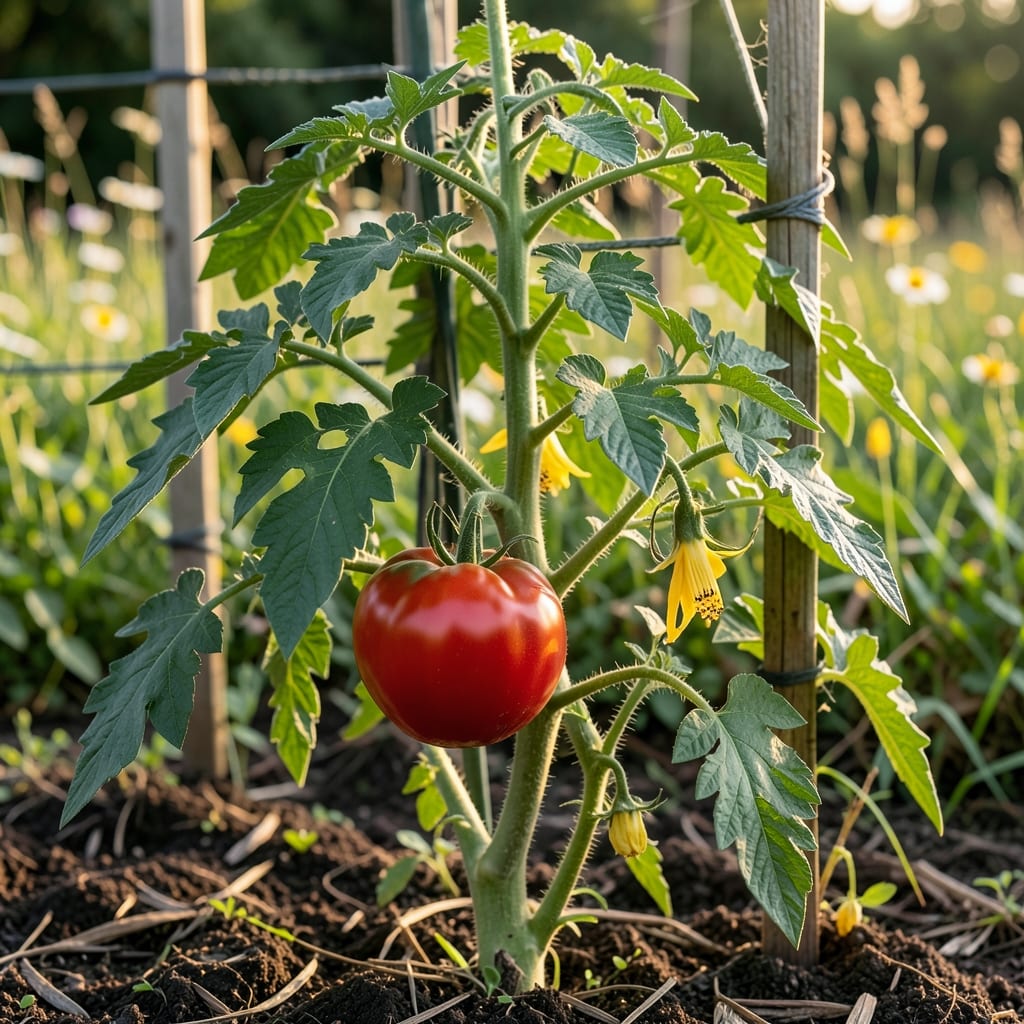
If you're dreaming of juicy beefsteak tomatoes but worried about how tall these tomato plants grow, you're not alone. These varieties can reach impressive heights—sometimes 8 to 12 feet—if left unchecked, making them a challenge for small spaces or container gardens.
The key to managing their growth lies in understanding whether you're dealing with indeterminate (vining) or determinate (bush) types, as this determines how much vertical space they’ll need. Without proper support or pruning, even the most compact varieties can sprawl uncontrollably, turning your backyard into a jungle of foliage.
But here’s the good news: with the right techniques—like strategic pruning, trellising, or cage systems—you can keep these plants at a manageable height while still enjoying bountiful harvests. I’ll walk you through exactly how to control their growth without sacrificing those massive, flavorful fruits.
Whether you’re working with a tiny balcony or a cozy backyard, these space-saving strategies will help you grow beefsteak tomatoes like a pro—no overgrown vines required.

Beefsteak tomato plant height: growth stages and space requirements
Beefsteak tomatoes are famous for their massive, juicy fruits—but their height potential can be just as impressive. Most beefsteak varieties are indeterminate, meaning they grow continuously throughout the season, often reaching 6 to 12 feet tall if left unchecked. This makes them perfect for vertical gardening but challenging in small spaces.
The key to managing their growth starts with understanding their two main growth patterns: indeterminate (vining) and determinate (bush). Indeterminate varieties, like 'Brandywine' or 'Cherokee Purple,' can climb like vines, while determinate types, such as 'Big Beef,' stay compact at 3 to 5 feet tall. Your choice directly impacts how much space you’ll need.
Even indeterminate varieties can be controlled with proper pruning and support. Without intervention, they’ll sprawl wildly, competing for sunlight and nutrients. But with the right techniques, you can keep them at a manageable 4 to 6 feet—ideal for containers or small gardens.
Here’s what you need to know about their growth stages and space needs:
| Variety Type | Mature Height | Growth Pattern | Space Needs |
|---|---|---|---|
| Indeterminate | 6–12 ft | Vining, continuous | Vertical support required |
| Determinate | 3–5 ft | Bushy, finite | 2–3 ft spacing |
| Semi-Dwarf | 4–6 ft | Vining but compact | Trellis or stake |
Indeterminate varieties dominate the beefsteak category, so if you’re growing 'Beefmaster' or 'Big Boy,' expect them to climb like a jungle vine. These plants thrive when given a strong support structure, like a 6-foot trellis or cage, to channel their energy upward instead of sprawling.
Determinate beefsteak types, while rarer, are a game-changer for small gardens. They stop growing once they flower, making them ideal for container growing or tight spaces. Even so, they still need 18–24 inches of space between plants to prevent overcrowding.
For indeterminate varieties, pruning is non-negotiable. Without it, they’ll focus energy on foliage instead of fruit, reducing your harvest. I recommend pruning suckers (side shoots) regularly to keep the plant focused on producing those 2-pound tomatoes you’re after.
Another critical factor is soil and sunlight. Beefsteak tomatoes crave full sun (6–8+ hours daily) and nutrient-rich soil. Poor conditions slow growth, but even in ideal settings, their height can become unruly. That’s why I always pair them with a robust trellis system—it’s the difference between a manageable plant and a backyard jungle.
If you’re working with limited space, consider espalier training or container growing. These methods let you grow beefsteak tomatoes even on balconies or patios, as long as you provide adequate support from the start. The key is to start pruning early—within the first few weeks—to shape the plant before it gets too tall.
Remember, the goal isn’t just to control height but to optimize fruit production. A well-pruned beefsteak tomato plant will yield more flavorful, larger tomatoes than an unchecked one. With the right approach, you can enjoy those heirloom-sized slices without sacrificing your garden’s layout.
Beefsteak tomato plant height: growth stages and space requirements
Beefsteak tomatoes are famous for their massive fruit size, but their growth habits can be just as impressive—especially if you're growing indeterminate varieties. These plants can easily reach 8 to 12 feet tall when given full support, while determinate varieties typically max out around 4 to 5 feet. The difference? Indeterminate types keep growing until frost, producing fruit along the way, whereas determinate types grow to a fixed height and set fruit all at once.
Understanding these growth patterns is critical for planning your garden layout. For example, an indeterminate beefsteak like 'Brandywine' can sprawl like a vine if not controlled, while a determinate type like 'Celebrity' stays compact. Without proper spacing or support, even the most well-intentioned garden can end up with tangled vines and poor air circulation, which invites pests and diseases.
Here’s what you need to know about their height progression: seedlings start small (1–2 feet), then bolt upward in early summer. By midsummer, indeterminate types can grow 1–2 feet per week under ideal conditions. This rapid growth means you’ll need to plan for vertical space from the start, whether through trellises, cages, or pruning.
🌱 Beefsteak Tomato Growth Summary
| Growth Stage | Height Range | Support Needs | Spacing |
|---|---|---|---|
| Seedling | 1–2 ft | None (small pots) | 6–12 in apart |
| Early Vegetative | 3–5 ft | Stakes or cages | 18–24 in apart |
| Fruiting (Indeterminate) | 6–12 ft | Trellis or strong cage | 3–4 ft apart |
| Mature (Determinate) | 4–5 ft | Cage or minimal support | 2–3 ft apart |
If you’re growing in containers, even indeterminate beefsteaks can be managed with 5-gallon pots or larger, but expect to prune aggressively to control height. The key is to train vines upward early—once they hit 3 feet, they’ll need a sturdy trellis or cage to avoid flopping. Without support, these plants can become unruly, with vines sprawling 6+ feet wide, making them a poor fit for small spaces.
For determinate varieties, height isn’t as much of an issue, but they still benefit from cages or stakes to prevent sprawling. The trade-off? They produce fruit all at once, so you’ll need to harvest quickly to avoid rot. Meanwhile, indeterminate types offer a longer harvest window but require more maintenance to keep them in check.
Pro tip: If you’re short on space, opt for bush-type beefsteaks like 'Mountain Merit' or 'Better Boy' (a semi-determinate hybrid). These stay under 5 feet tall while still delivering those signature beefsteak-sized fruits. Pair them with pruning shears and a 3-foot cage, and you’ll have a tidy, high-yielding plant that fits even the smallest garden.