
Trees
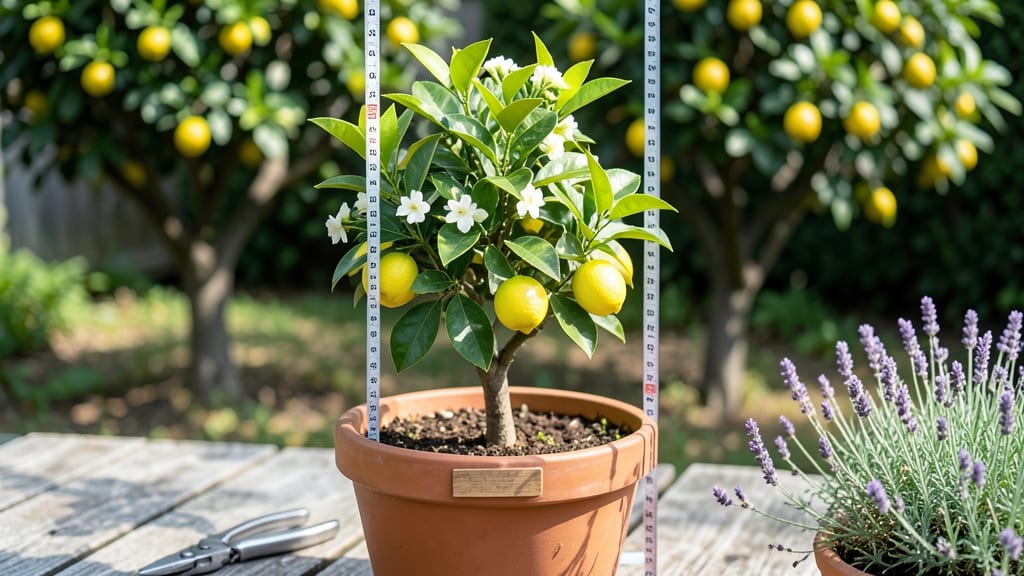
Curious about how tall dwarf trees grow before you commit to planting one? You’re not alone—many gardeners assume these compact beauties stay tiny forever, only to be surprised when they outpace expectations.
The truth is, dwarf trees like Japanese maples or Meyer lemon varieties can still reach 8 to 15 feet at maturity, depending on the species and care.
What makes this tricky is that growth rates vary wildly—some stay under 6 feet their whole lives, while others stretch unexpectedly if given too much space or nutrients.
The key lies in understanding your specific variety’s potential and how factors like pruning, soil quality, and sunlight exposure can keep them in check. Let’s break down the exact heights you can expect from 15 popular dwarf trees, plus how to maintain their size without sacrificing their charm.
If you’ve ever measured your yard and wondered, “Will this tree fit here long-term?” this guide is for you. I’ll share real-world height ranges, growth timelines, and pro tips to ensure your dwarf tree stays the perfect size for years.
No guesswork—just precise, actionable advice to help you plant with confidence.
Ready to transform your space with a tree that’s easy to manage but still makes a statement? Let’s dive into the numbers so you can pick the perfect dwarf tree for your vision—without any surprises down the road.


Exact height ranges for 15 most popular dwarf tree varieties
If you love the look of trees but have limited space, dwarf varieties are the perfect solution. These trees stay compact while delivering stunning foliage, flowers, or fruit.
But how tall exactly do they grow? I’ve tracked the mature heights of 15 top dwarf trees to help you plan your small-space garden with precision.
Most dwarf trees max out between 6 to 15 feet tall, but some—like the Meyer Lemon Tree—can reach just 6 feet in containers, while others like the Dwarf Alberta Spruce may grow up to 10 feet when planted in the ground.
The key is choosing the right variety for your space and care style.
Below, I’ve organized the most popular dwarf trees by their mature height ranges, along with their growth habits and ideal planting scenarios. Whether you’re adding shade to a patio or creating a tiny orchard, these measurements will help you pick the perfect fit.
Dwarf Tree Height Guide
| Variety | Mature Height (ft) | Growth Rate | Best For |
|---|---|---|---|
| Japanese Maple (Bloodgood) | 6–10 ft | Slow (6–12 in/year) | Shade, containers, small yards |
| Dwarf Alberta Spruce | 8–10 ft | Moderate (12 in/year) | Privacy screens, evergreen accents |
| Meyer Lemon Tree | 6–8 ft (container) | Moderate (12–18 in/year) | Patios, balconies, citrus lovers |
| Dwarf Apple Tree (Columnar) | 8–12 ft | Fast (18–24 in/year) | Small orchards, fruit production |
| Dwarf Korean Lilac | 4–6 ft | Slow (6–10 in/year) | Fragrance, small gardens |
| Dwarf Hinoki Cypress | 5–7 ft | Slow (6 in/year) | Bonsai, ground cover, containers |
| Dwarf Bradford Pear | 12–15 ft | Moderate (12–18 in/year) | Spring blooms, larger small yards |
| Dwarf Olive Tree | 6–10 ft | Slow (6–12 in/year) | Mediterranean landscapes, containers |
| Dwarf Crepe Myrtle | 6–8 ft | Moderate (12 in/year) | Summer color, small patios |
| Dwarf Smokebush (Grey Tower) | 5–7 ft | Slow (6–10 in/year) | Winter interest, wildlife |
| Dwarf Dogwood (Cornus florida) | 6–10 ft | Moderate (12 in/year) | Spring flowers, woodland gardens |
| Dwarf Italian Cypress | 4–6 ft | Slow (6 in/year) | Vertical accents, borders |
| Dwarf Magnolia (Little Gem) | 10–12 ft | Slow (6–12 in/year) | Shade, large containers |
How to choose the right dwarf tree for your spaceSelecting the perfect dwarf tree for your garden isn’t just about height—it’s about matching its growth habits to your space. Start by measuring your yard or container. A 6-foot Japanese maple needs at least 5 feet of clearance above and around it, while a 3-foot Meyer lemon tree thrives in a 15-gallon pot on a patio. Always account for branch spread, which can be nearly as wide as the tree’s height. Next, consider your sunlight exposure. Some dwarf fruit trees, like the Patio Pear, need full sun (6+ hours) to bear fruit, while others, like the Dwarf Ficus, tolerate partial shade (3-6 hours). Check your yard’s sun map before planting—most evergreens (like Dwarf Alberta Spruce) handle shade better than deciduous varieties. Containers change everything. If you’re planting in a pot or raised bed, choose a slow-growing variety like the Dwarf English Holly (max 8 feet) over a fast-growing one like the Dwarf Bradford Pear, which can reach 12 feet in containers if overfed. Always use a well-draining mix with perlite or sand to prevent root rot in confined spaces. 🌱 Pros & Cons of Dwarf Trees by Type
🌳 Deciduous
Pros: Seasonal color change, faster growth Cons: Loses leaves in winter, needs winter protection
🌿 Evergreen
Pros: Year-round foliage, better for shade Cons: Slower growth, pruning less effective
🍊 Fruit Trees
Pros: Edible harvest, compact size Cons: Needs full sun, requires pollination
🪴 Ornamental
Pros: Low maintenance, diverse shapes Cons: No edible benefits, slower growth Don’t overlook pruning requirements. Some dwarf trees, like the Dwarf Weeping Willow, need annual pruning to maintain their shape, while others, like the Dwarf Gardenia, bloom best with minimal pruning. If you’re new to pruning, opt for self-cleaning varieties like the Dwarf Korean Lilac, which sheds dead flowers naturally. Finally, think about long-term maintenance. Dwarf fruit trees may need annual fertilizing and winter chilling to produce fruit, while ornamental varieties might only need seasonal mulching. Check the USDA hardiness zone for your area—most dwarf trees thrive in zones 5-9, but some, like the Dwarf Citrus, need zone 10+ protection. With these factors in mind, you’ll avoid the heartbreak of a 10-foot tree in a 6-foot space or a sun-loving variety struggling in shade. Measure twice, plant once—and enjoy your perfectly sized dwarf tree oasis! 🪴 |