
Trees
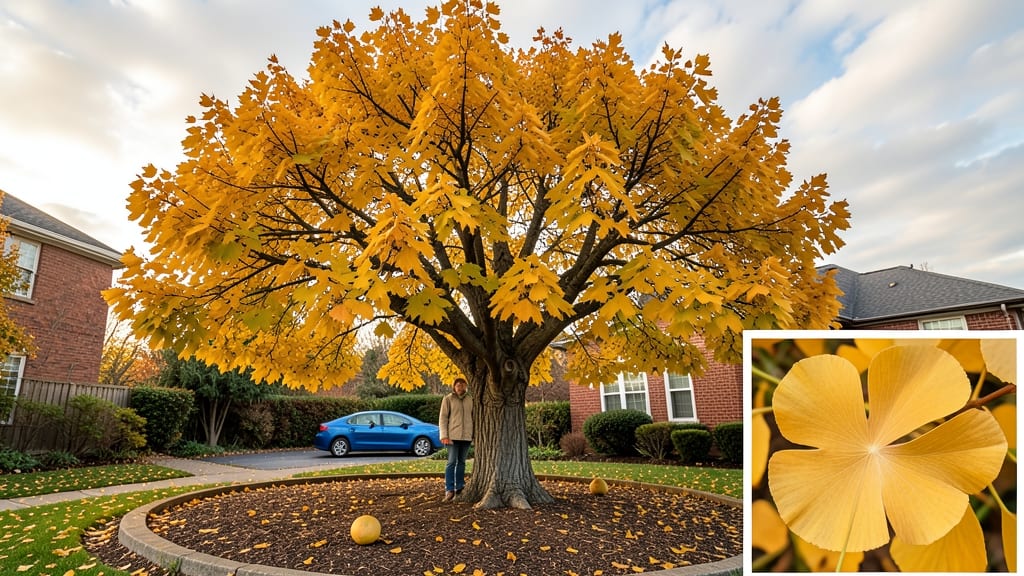
If you're wondering how tall do ginkgo trees grow, you're not alone—this ancient 🌳 Ginkgo Tree can be both a breathtaking centerpiece and a space-challenging giant, depending on the variety.
While wild ginkgos in USDA Zone 6a can soar to 80 feet or more, there are compact cultivars perfect for smaller yards that max out around 15-20 feet. The key to choosing the right one lies in understanding their growth habits and how environment plays a role.
Ginkgo trees are famous for their longevity, often living for centuries, but their height growth slows dramatically after the first 20-30 years. This makes them surprisingly manageable for long-term landscaping, even in urban settings.
Whether you're planting in spring or considering a dwarf variety, knowing these growth patterns helps you plan for the future without sacrificing that iconic fan-shaped foliage.
Let's break down the height ranges you can expect from different ginkgo cultivars, from the towering giants that dominate large estates to the neatly pruned dwarfs that fit cozy backyards.
You'll also discover how factors like soil quality, sunlight, and pruning techniques can influence their ultimate size—so you can make an informed choice that matches your space and vision.
Ready to transform your landscape with a ginkgo tree? Whether you're aiming for a sky-high statement piece or a low-maintenance compact beauty, this guide will help you pick the perfect variety and care for it long-term. Let's dive into the details so you can plant with confidence!


Ginkgo tree height guide: from dwarf cultivars to towering giants
Ginkgo trees (Ginkgo biloba) are living fossils that can grow into majestic giants or stay compact with the right cultivar. Their mature height ranges from 15 feet for dwarf varieties to over 100 feet for wild-type specimens.
Understanding these differences helps you choose the perfect tree for your space—whether you have a small urban yard or a sprawling estate.
The height of a ginkgo tree depends on its cultivar, growing conditions, and pruning habits.
For example, the 'Adonis' and 'Mariken' cultivars top out at 15–20 feet, making them ideal for patios or containers, while the 'Fastigiata' cultivar reaches 30–40 feet—perfect for narrow spaces like street medians.
Wild-type ginkgos, however, can soar to 50–80 feet or even 120 feet in ideal conditions.
Here’s a quick comparison of how ginkgo tree heights stack up across common varieties:
| Cultivar | Mature Height | Growth Rate | Best For |
|---|---|---|---|
| 'Adonis' | 15–20 ft | Slow to moderate | Containers, small yards |
| 'Mariken' | 15–20 ft | Slow | Urban landscapes |
| 'Fastigiata' | 30–40 ft | Moderate | Street trees, narrow lots |
| Wild-type Ginkgo biloba | 50–120 ft | Slow to fast | Large estates, parks |
Growth rates vary by cultivar, but most ginkgos grow slowly in their youth, putting on 2–4 feet per year before maturing. Wild-type ginkgos may grow faster—up to 6 feet per year—if given ideal conditions like full sun and well-draining soil.
However, their growth slows significantly as they age, often after 20–30 years.
Environmental factors like soil quality, sunlight exposure, and water availability play a huge role in height.
Ginkgos planted in poor soil or shady spots may stay shorter, while those in rich, loamy soil with full sun can reach their full potential. Pruning also influences height—regular pruning keeps dwarf cultivars compact and can reduce the height of taller varieties by 20–30% over time.
If you’re considering a ginkgo for a small space, focus on dwarf cultivars like 'Adonis' or 'Mariken'. For medium-sized yards, 'Fastigiata' offers a tall but narrow silhouette.
And if you have ample space, a wild-type ginkgo will reward you with a centuries-old giant that becomes a landscape centerpiece.
One common misconception is that all ginkgos grow into towering monsters. In reality, their height is highly controllable with the right cultivar and pruning plan. For example, container-grown ginkgos can stay under 10 feet with regular trimming, while unpruned wild-types can dwarf even the tallest oak trees.
Ginkgos are also long-lived, with some specimens reaching 1,000+ years without significant height increases after maturity. This makes them a low-maintenance choice for permanent landscape features, as their growth slows dramatically after 50–60 years.
Their unique fan-shaped leaves and golden fall foliage add seasonal interest regardless of size.
For those worried about root spread, ginkgos have shallow but wide roots, so planting them at least 20 feet away from structures is wise. Their non-invasive nature makes them a great choice for urban forests or backyard privacy screens, depending on the cultivar you choose.
Ready to pick the perfect ginkgo for your space? Start by measuring your yard and matching it to the mature height ranges above. Whether you want a dwarf conversation piece or a sky-scraping sentinel, there’s a ginkgo cultivar that fits—just plan ahead for its future size! 🌳
How to choose the right ginkgo tree size for your landscape
Selecting the perfect ginkgo tree for your space starts with understanding your yard’s dimensions and layout. Urban gardeners with small yards can opt for dwarf cultivars like 'Adonis', while those with spacious properties might prefer the majestic height of wild-type ginkgos.
The right choice depends on your long-term vision—whether you want a quick-shade provider or a century-old landmark.
For urban or suburban yards, compact ginkgo varieties are ideal. These trees stay between 15–25 feet tall at maturity, making them perfect for tight spaces or as accent trees near patios.
If you’re planting near a driveway or sidewalk, always check local regulations for minimum distances from structures to avoid future issues.
🌱
| Cultivar | Mature Height | Best For | Spacing Needs |
|---|---|---|---|
| 'Adonis' | 15–20 ft | Small yards, containers | 10–15 ft from structures |
| 'Mariken' | 15–20 ft | Urban landscapes, patios | 10–12 ft from buildings |
| 'Fastigiata' | 30–40 ft | Medium yards, privacy screens | 20–25 ft from structures |
| Wild-type Ginkgo biloba | 50–80+ ft | Large estates, parks | 50+ ft from buildings |
If you’re unsure about long-term height, consider pruning strategies to manage growth. Ginkgos respond well to structural pruning in early spring, which helps shape their canopy and control height. For example, topping the leader (the central stem) can reduce vertical growth by up to 30% over 5 years.
However, avoid heavy pruning in late summer, as it can stimulate weak, disease-prone growth.
For container gardening, dwarf varieties like 'Adonis' thrive in large pots (at least 24 inches in diameter) with well-draining soil. These trees can stay in containers for years, making them ideal for balconies or small porches.
Just ensure the pot has drainage holes and use a balanced fertilizer like 10-10-10 in early spring to encourage healthy growth.
🪴
Remember, ginkgos are slow-growing trees, so their height increase is gradual. A 10-year-old 'Fastigiata' might only reach 15–20 feet, while a wild-type ginkgo in ideal conditions can grow 2–3 feet per year in its youth.
Plan accordingly—especially if you’re planting near power lines or rooftops—to avoid costly trimming or removal later.