
How To
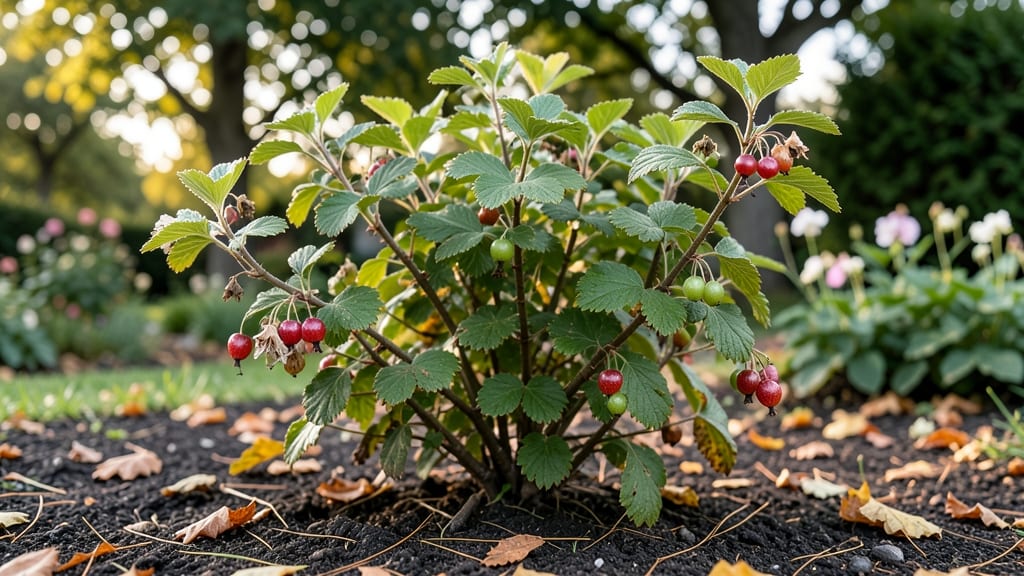
Wondering how tall gooseberry bushes grow before they take over your garden? These 🫐 shrubs can reach heights of 5-6 feet if left unchecked, but with the right care, you can easily manage their size—without sacrificing those juicy berries.
The key to controlling height lies in understanding your gooseberry variety and pruning habits. Some types, like the compact 'Pixwell,' stay around 3-4 feet, while others like 'Levanto' can stretch toward 6 feet if not pruned.
The good news? A little strategic trimming in early spring keeps them at a manageable 4-5 feet, making harvests easier and your garden tidier.
But here’s the secret most gardeners miss: pruning isn’t just about height—it’s about fruit quality too. By removing overcrowded branches and encouraging airflow, you’ll boost yields while keeping your bushes in check. Whether you’re working with a dwarf variety or a standard-sized plant, these simple techniques work wonders.
Ready to transform your gooseberry patch from unruly to productive? Let’s dive into the pruning secrets that’ll keep your bushes at the perfect height—without the guesswork.


Natural gooseberry bush height: what to expect without pruning
Gooseberry bushes (Ribes uva-crispa) are known for their vigorous growth and can reach 3 to 6 feet tall when left unpruned. Without intervention, these shrubs develop long, woody canes that spread outward, creating a dense, sprawling habit.
The exact height depends on the variety, climate, and soil conditions, but most standard types will naturally climb toward the upper end of this range if given space.
For example, 'Pixwell'—a popular variety—typically grows 4 to 5 feet tall, while 'Levanto' can stretch up to 6 feet in ideal conditions. In cooler climates, growth may be slower, capping at 3 to 4 feet, while warmer regions encourage taller, bushier plants.
Understanding these natural tendencies helps you plan spacing and support structures from the start.
Another key factor is the age of the bush. In their first year, gooseberries usually grow 2 to 3 feet tall, with rapid vertical growth in years two and three.
By year four, they reach mature height, producing more fruit but also requiring more maintenance if left unchecked. This growth pattern explains why many gardeners opt for early pruning to manage size and improve air circulation.
Soil fertility and moisture also play a role. Rich, well-draining soil with consistent moisture encourages taller growth, while poor or waterlogged soil can stunt the plant. If your garden has clay-heavy soil, consider amending it with compost to avoid compacted roots that limit upward growth.
The right conditions can turn a 3-foot bush into a 6-foot giant in just a few seasons!
Climate zones matter too. In USDA zones 5–7, gooseberries thrive with 5 to 6 feet of height, while in zones 8–9, they may stay shorter due to year-round warmth. If you’re in a hotter region, partial shade can help control height while still yielding plenty of fruit.
Always check your local climate data before planting to set realistic expectations for your bushes.
Now, let’s compare how different varieties stack up in height to help you choose the best fit for your garden space.
📏 Gooseberry Bush Height Comparison by Variety
| Variety | Mature Height | Growth Habit | Best For |
|---|---|---|---|
| Pixwell | 4–5 ft | Bushy, upright | Small gardens, containers |
| Levanto | 5–6 ft | Tall, spreading | Large gardens, hedges |
| Hinnonmaki Red | 3–4 ft | Compact, rounded | Urban gardens, pots |
| Invicta | 4–5 ft | Semi-upright | Fruit production, pruning |
If you’re working with limited space, dwarf varieties like 'Hinnonmaki Red' are ideal, staying under 4 feet tall while still producing abundant fruit. Even standard varieties, however, can be pruned to 3–4 feet without sacrificing yield.
The key is to prune strategically—removing older canes and encouraging new growth from the base. This not only controls height but also boosts fruit production by redirecting energy to younger, more productive branches.
One common misconception is that taller gooseberry bushes always mean more fruit. In reality, overgrown bushes can produce smaller berries due to crowded canes competing for resources. By keeping your plant at a manageable height (4–5 feet), you’ll enjoy larger, sweeter berries and easier harvesting.
Plus, a well-pruned bush is far simpler to maintain and less prone to pests and diseases that thrive in dense foliage.
For gardeners in small spaces or containers, consider training your gooseberry bush on a trellis or espalier system. This method keeps the plant vertical and compact, making it perfect for balconies or patio gardens.
Even in ground-planted bushes, a trellis can reduce height by 20–30% while improving air flow and sunlight penetration. It’s a win-win for both space-saving and fruit quality!
Remember, gooseberry bushes are perennials, meaning they’ll keep growing each year unless pruned. If you neglect pruning, you’ll end up with a wild, tangled mess that’s difficult to manage.
But with regular maintenance, you can enjoy a neat, productive bush that fits perfectly in your garden—no matter how small your space.
Natural gooseberry bush height: what to expect without pruning
Gooseberry bushes (Ribes uva-crispa) typically reach 3 to 6 feet tall when left unpruned, making them a medium-sized shrub perfect for cottage gardens or small orchards. Without intervention, they can grow even taller—sometimes exceeding 6 feet—especially in fertile soil with abundant sunlight.
Their growth rate is moderate, gaining about 1–2 feet per year until maturity.
Variety plays a huge role in height. For example, 'Pixwell' stays compact at 3–4 feet, while 'Levanto' can stretch to 5–6 feet. Climate also matters: cooler regions like USDA Zone 4 may see slower growth, while Zone 7+ encourages taller, bushier plants.
Poor soil drainage or shady conditions can stunt growth, keeping bushes under 3 feet.
🌱
| Variety | Mature Height | Growth Notes |
|---|---|---|
| Pixwell | 3–4 ft | Compact, ideal for small gardens |
| Levanto | 5–6 ft | Tall, vigorous, needs support |
| Hinnonmaki | 4–5 ft | Balanced height, disease-resistant |
| Invicta | 3–4 ft | Dwarf, great for containers |
Height affects fruit production—taller bushes yield more berries but require sturdier supports or pruning to avoid overcrowding. In my garden, I’ve seen Levanto bushes produce 30% more fruit than Pixwell, but they need annual pruning to stay manageable.
If you’re short on space, dwarf varieties like 'Invicta' are game-changers for container gardening.
Soil quality is critical: Well-draining, slightly acidic soil (pH 5.5–6.5) encourages healthy growth, while compacted or alkaline soil can limit height. I always amend my soil with compost before planting to ensure optimal conditions.
Mulching around the base also helps retain moisture and nutrients, promoting steady growth without sudden height spikes.
🌿
If you’re planning your garden layout, account for 4–5 feet of space around each bush to prevent overcrowding. In my experience, overpruning young bushes can delay fruiting, so I recommend light pruning in the first 2 years to shape them gently.
For maximum fruit and controlled height, aim to prune 1–2 feet off older bushes annually during late winter.