
How To
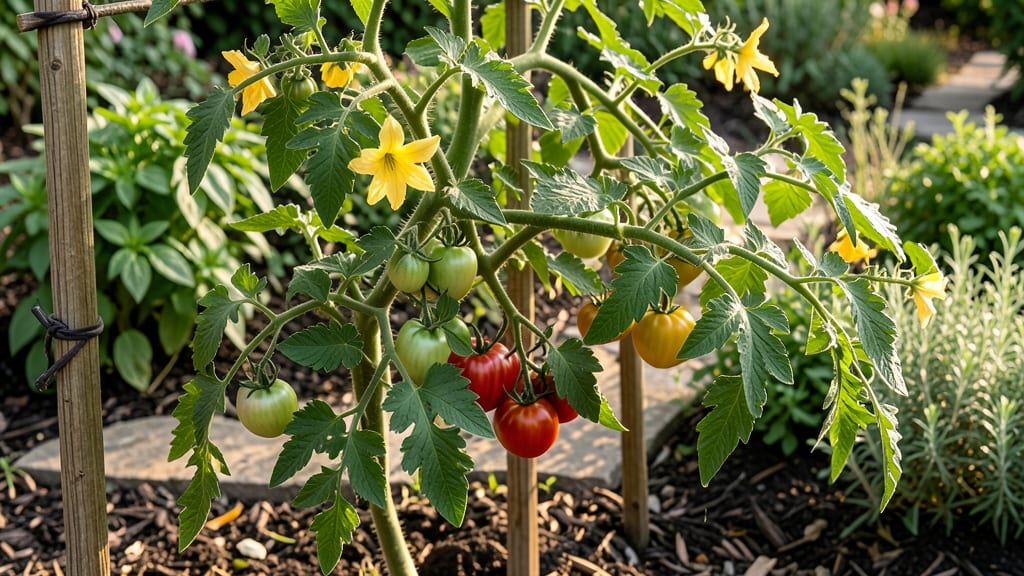
If you’ve ever dreamed of growing heirloom tomatoes and wondered how tall do heirloom tomatoes grow, you’ve probably noticed that these flavor-packed plants come in all shapes and sizes.
The answer isn’t one-size-fits-all—some stay compact enough for a windowsill, while others stretch toward the sky like 6-foot vines needing serious support.
Knowing your heirloom tomato’s height isn’t just about aesthetics—it’s the key to planning your garden layout, choosing the right support, and even maximizing your harvest.
A 3-foot bush variety like ‘Tiny Tim’ fits neatly in containers, while a sprawling ‘Brandywine’ could turn your backyard into a vertical jungle if left unchecked. The difference between these extremes shapes everything from spacing to trellising strategies.
For gardeners in Zone 6a, where spring planting kicks off in April, height becomes even more critical. Will your tomatoes need staking by May? Or can you tuck them into a corner with minimal fuss?
The right approach saves you time, space, and headaches—especially when those July-to-September harvests are on the line.
Let’s break down the height ranges of popular heirloom varieties, how to support them, and why getting this right could mean the difference between a few scattered fruits and a bountiful, sun-ripened feast. Ready to plan your perfect tomato patch?


Heirloom tomato height ranges: from dwarf to giant varieties
Heirloom tomatoes grow in a stunning range of heights, from compact 2-foot bushes to towering 10-foot vines—though most fall between 3 and 6 feet. The key difference lies in their growth habit: determinate (bush) varieties stay short, while indeterminate (vining) types keep growing until frost.
This height variation directly impacts your garden layout, trellising needs, and even harvest timing.
Understanding these height ranges helps you choose the right varieties for your space. For example, a small balcony garden might only accommodate dwarf heirlooms, while a large backyard can support giant vining types. Let’s break down the most common height categories and popular heirloom varieties that fit them.
| Variety Type | Height Range | Growth Habit | Notes |
|---|---|---|---|
| Dwarf Varieties | 1–3 ft | Determinate | Ideal for containers; produces fruit in 1-2 seasons. |
| Semi-Dwarf | 3–4 ft | Determinate | Balanced for small gardens; needs minimal support. |
| Standard | 4–6 ft | Indeterminate | Classic vining types; requires trellising or cages. |
| Giant Varieties | 6–10+ ft | Indeterminate | Needs strong support structures; produces fruit all season. |
Popular heirloom varieties reflect these height ranges perfectly. For instance, the Tiny Tim tomato stays under 2 feet, making it perfect for container gardening. On the other end, the Cherokee Purple or Brandywine varieties can reach 6–8 feet if left unpruned, requiring robust trellising.
Even within the same growth habit, heights can vary—indeterminate varieties like Sungold might max out at 5 feet, while others like Mortgage Lifter can stretch to 12 feet!
Height also affects yield and spacing. Taller vining tomatoes produce fruit over a longer season but need more space to avoid shading shorter plants. Meanwhile, bush varieties offer a single harvest window but are ideal for dense planting.
For example, you can fit 4–6 dwarf plants in a 4-foot square, but only 1–2 giant vines in the same space.
Another critical factor is wind resistance. Tall, top-heavy vines (like Beefsteak varieties) may need additional staking in windy areas to prevent stem breakage. Even in still conditions, overly tall plants can develop blossom end rot due to poor calcium uptake from deep roots struggling to reach nutrients.
If you’re growing heirlooms in containers, height becomes even more critical. A 5-gallon bucket might support a 3-foot Bush Early Girl, but a 10-foot Mortgage Lifter would need a large fabric grow bag or vertical trellis system.
Always check the variety’s mature height before choosing containers—root space matters just as much as vertical support.
For small-space gardens, consider pruning techniques to control height. Pinching back suckers (the small shoots in the leaf axils) can reduce height by 20–30% while improving airflow and fruit quality. This is especially useful for indeterminate varieties that would otherwise dominate your garden.
Finally, remember that height isn’t the only factor—spread matters too! Some heirloom tomatoes (like Black Krim) grow wide rather than tall, requiring horizontal support instead of vertical. Always research both height and spread when selecting varieties for your garden layout.
Now that you know the height ranges, you’re ready to plan your garden like a pro—whether you’re growing tiny patio tomatoes or monster vining giants. The next step? Choosing the right support system to keep those plants thriving at any height! 🌱
Heirloom tomato height ranges: from dwarf to giant varieties
Heirloom tomatoes grow in stunning diversity, from bushy 2-foot varieties to vining giants that reach 6 feet or taller. The key difference lies in their growth habits: determinate (bush) types stay compact, while indeterminate (vining) types keep growing until frost.
This height variation directly impacts your garden layout and harvest strategy.
Determinate varieties like Brandywine or Cherokee Purple typically max out at 3-4 feet, producing all their fruit in one flush. Indeterminate types such as Sungold or Black Krim can climb 8-10 feet with proper support, yielding fruit all season long.
Even within these categories, microvariations exist based on genetics and growing conditions.
| Variety Type | Height Range | Growth Habit | Harvest Window |
|---|---|---|---|
| Dwarf Varieties | 1-3 ft | Determinate | Single flush (60-75 days) |
| Semi-Dwarf | 3-4 ft | Determinate | Single flush (70-85 days) |
| Standard Indeterminate | 4-6 ft | Indeterminate | Continuous (80+ days) |
| Vining Giants | 6-10+ ft | Indeterminate | Continuous (90+ days) |
Your garden spacing should reflect these heights. Dwarf varieties can thrive 18-24 inches apart, while tall indeterminates need 3-4 feet of space between plants. The vertical growth of indeterminate types also means you'll need strong trellising to prevent sprawling and disease.
I once grew a Sungold plant that reached my garage roof—12 feet tall—and required a heavy-duty tomato cage!
Height also affects fruit production. Determinate types produce all their fruit at once, ideal for canning or preserving. Indeterminate varieties yield continuously, perfect for fresh eating all season.
For example, Brandywine (4 ft) gives you 50-100 lbs in one harvest, while Sungold (6+ ft) can produce 20+ lbs weekly if properly supported.
If you're working with limited space, consider dwarf heirlooms like Tiny Tim (2 ft) or Micro Tom (1 ft). These are perfect for container gardening or small urban plots.
For larger gardens, tall indeterminates like Cherokee Purple or Black Beauty will reward you with massive yields—but only if you commit to regular pruning and support.
One final tip: Soil fertility impacts height. Rich, well-draining soil with compost and balanced fertilizer encourages stronger vines in indeterminate types. I've seen Black Krim plants grow 2 feet taller in amended soil compared to poor soil.
Always test your soil before planting—aim for a pH of 6.0-6.8 for optimal growth.