
How To
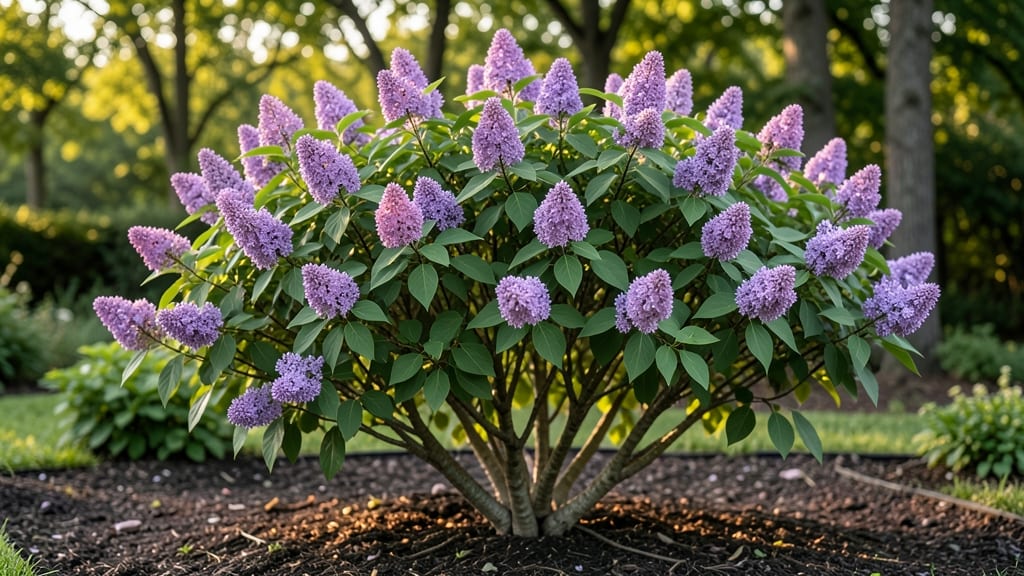
If you're planning your garden layout or wondering whether your lilac bushes will soon need a trim, knowing how tall do lilac bushes grow is the first step to keeping them healthy and beautiful.
These fragrant shrubs can range from compact 4-foot varieties to towering 15-foot giants, depending on the type and growing conditions.
Understanding these height differences isn't just about aesthetics—it directly impacts how you space your lilacs and when to prune them. A standard lilac like 'Common Lilac' can easily reach 8-15 feet tall, while dwarf varieties like 'Miss Canada' stay neatly between 4-6 feet.
This variety in size means your garden design choices can completely change the look and feel of your outdoor space.
But here's the thing: height isn't the only factor. Soil quality, sunlight exposure, and even your pruning habits play a huge role in how big your lilac bushes become.
Let me walk you through the key considerations so you can plan for the perfect lilac garden that fits your space and maintenance style.
Whether you're a first-time gardener or a seasoned pro, getting this right means your lilacs will thrive—and that means more fragrant blooms and less headache when it comes time to prune. Let’s dive into the details so you can make the best choices for your garden.


Lilac bush height by popular variety: from dwarf to giant
Lilac bushes (Syringa spp.) are famous for their fragrant spring blooms, but their mature heights can range from compact 3-foot shrubs to towering 15-foot giants. The variety you choose determines not just height but also growth habit, pruning needs, and even garden placement.
Whether you're designing a cottage garden or a modern landscape, knowing these differences helps you plan for spacing, sunlight, and maintenance.
Most lilacs thrive in USDA Zones 3–7 and prefer full sun, but their growth rates and final heights vary. For example, the classic 'Common Lilac' can reach 10–15 feet tall, while dwarf varieties like 'Miss Canada' stay under 4 feet.
Understanding these differences ensures your lilacs grow healthily and harmoniously in your garden layout.
Here’s how popular lilac varieties compare in height, growth habit, and ideal spacing:
| Variety | Mature Height | Growth Habit | Spacing Needs |
|---|---|---|---|
| Common Lilac ('Syringa vulgaris') | 10–15 ft | Upright, multi-stemmed | 10–12 ft apart |
| Katherine Havemeyer | 6–8 ft | Bushy, rounded | 6–8 ft apart |
| Miss Canada | 3–4 ft | Compact, mounding | 3–4 ft apart |
| Dwarf Korean Lilac ('Syringa meyeri') | 4–6 ft | Upright, slender | 4–5 ft apart |
| President Lincoln | 8–10 ft | Vigorous, upright | 8–10 ft apart |
| Bloomerang Lilac | 6–8 ft | Multi-season blooms | 6–8 ft apart |
If you’re planting lilacs near a fence or walkway, dwarf varieties like 'Miss Canada' or 'Dwarf Korean Lilac' are ideal—they stay under 4 feet and fit neatly into small gardens. For privacy screens or backyard borders, taller varieties like 'Common Lilac' or 'President Lincoln' create stunning vertical interest.
One factor that influences height is pruning frequency. Lilacs left unpruned can grow wildly, while regular trimming keeps them contained and bushier. For example, 'Katherine Havemeyer', which naturally reaches 6–8 feet, can be pruned to 4–5 feet for easier maintenance.
Always prune after flowering to avoid cutting off next year’s bloom buds.
Another key consideration is soil drainage. Lilacs hate soggy roots, so amend heavy clay soil with compost or sand to encourage healthy growth. In well-draining soil, lilacs grow faster and reach their mature height more quickly.
For instance, a 'Common Lilac' planted in ideal conditions might hit 10 feet in 5–7 years, while one in poor soil may take 10+ years.
For container gardening, choose dwarf varieties like 'Little Miss Perfume' (3–4 ft) or 'Palibin' (4–5 ft). These stay manageable in 15–20 gallon pots and can be moved to extend their sunlight exposure or protect them from frost. Just ensure the container has drainage holes to prevent root rot.
Pro tip: Plant lilacs in groups of 3 or 5 for a dramatic display
How to plan lilac bush spacing based on mature height
Spacing your lilac bushes correctly is half the battle for healthy growth and stunning blooms. Standard lilacs can reach 8–15 feet tall, so planting them too close will lead to overcrowding, poor airflow, and reduced flowering.
Dwarf varieties, like 'Miss Canada', stay compact at 4–6 feet, making them perfect for small gardens or containers.
For standard lilacs, aim for 6–12 feet apart in all directions. This gives roots room to spread and prevents competition for nutrients. If you’re planting near a fence or wall, leave at least 5 feet of clearance to avoid blocking sunlight or making pruning difficult.
Dwarf and semi-dwarf varieties need less space—3–5 feet apart is ideal. This spacing also works well for hedge planting, where you can create a fragrant, flowering barrier. Just remember: taller lilacs cast long shadows, so avoid planting sun-loving plants underneath them.
| Variety | Mature Height | Spacing Needs | Best For |
|---|---|---|---|
| Common Lilac | 8–15 ft | 8–12 ft apart | Large gardens, borders |
| Miss Canada | 4–6 ft | 3–5 ft apart | Containers, small yards |
| Katherine Havemeyer | 6–8 ft | 5–7 ft apart | Medium gardens, hedges |
| Dwarf Korean Lilac | 3–5 ft | 2–3 ft apart | Rock gardens, borders |
Proper spacing also impacts pruning frequency. Taller lilacs (8+ feet) need annual pruning to control height and shape, while dwarf varieties may only need light trimming every 2–3 years. Always prune right after flowering to avoid cutting off next year’s blooms.
If your garden has limited space, consider container growing for dwarf lilacs. Use pots at least 18 inches wide and deep with drainage holes, and replant every 3–4 years to refresh the soil. Just remember: containers dry out faster, so water deeply every 5–7 days during dry spells.
For a fragrant, low-maintenance hedge, plant semi-dwarf lilacs 3–4 feet apart in a row. Shear lightly after flowering to encourage bushier growth. With the right spacing, your lilacs will thrive for decades, filling your garden with color and scent every spring.