
How To
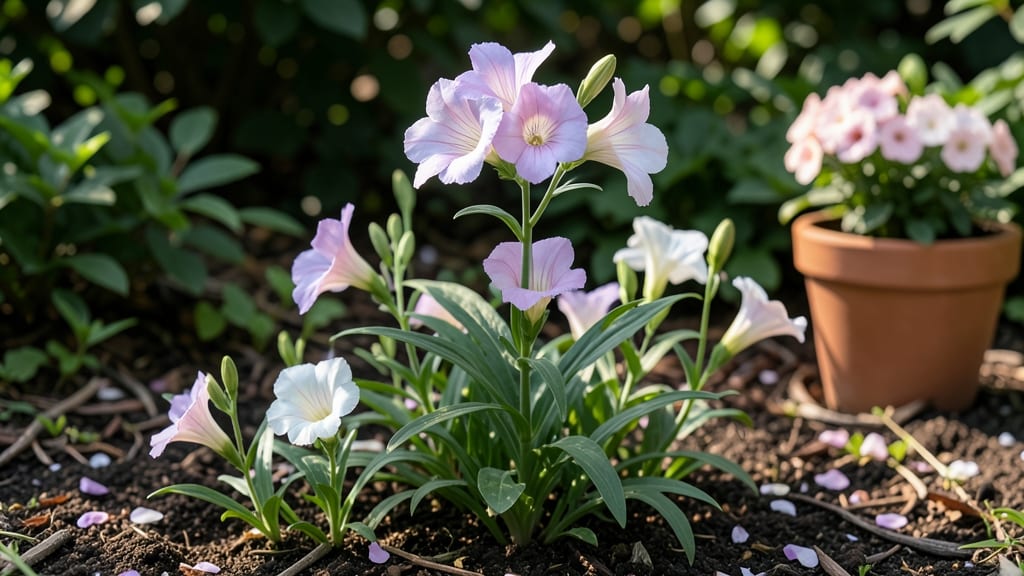
If you're wondering how tall do lisianthus grow, the answer might surprise you—these delicate 🌸 blooms can range from compact 1-foot wonders to towering 4-foot stunners, depending on the variety and growing conditions.
Whether you're designing a cottage garden or planning container arrangements, knowing the height range is key to creating the perfect visual balance.
Lisianthus varieties fall into three main height categories: dwarf types stay between 1-2 feet, making them ideal for borders or small pots, while standard varieties can reach 3-4 feet, adding dramatic vertical interest to mixed beds.
The difference isn't just about space—it also affects how you'll support, prune, and even fertilize your plants for optimal bloom performance.
What many gardeners don't realize is that height isn't set in stone. With the right techniques—like strategic pruning or choosing the right container size—you can influence how tall your lisianthus grow, even within the same variety.
I'll show you how to work with these stunning flowers to fit your garden's layout, whether you're aiming for a lush, bushy display or elegant, upright stems.
Ready to transform your garden? Let's dive into the specifics of lisianthus heights, from choosing the perfect variety to spacing them like a pro for maximum impact. Your dream garden is just a few inches away!


Lisianthus height ranges by variety type: compact to towering
If you’re planning your garden layout, knowing lisianthus height ranges is key to creating a balanced, eye-catching display. These romantic blooms come in three distinct height categories—dwarf, medium, and tall—each perfect for different spaces.
Whether you’re designing a container garden or a sprawling border, choosing the right variety ensures your lisianthus thrives without overpowering other plants.
Dwarf lisianthus varieties, like 'Twinkle' or 'Pink Velour', typically reach 12 to 24 inches tall, making them ideal for small gardens, window boxes, or mixed containers. These compact beauties add delicate color without stealing the show from taller neighbors.
Meanwhile, standard varieties such as 'Blackout' or 'Vulcan' can stretch up to 36 inches or more, perfect for back-of-border plantings or cut flower arrangements.
🌸
| Variety Type | Height Range | Best For | Popular Cultivars |
|---|---|---|---|
| Dwarf | 12–24 inches | Containers, window boxes, small gardens | Twinkle, Pink Velour, Echo |
| Medium | 24–36 inches | Mixed borders, cut flowers, mid-height beds | Vulcan, Echo, Salsa |
| Tall | 36–48 inches | Back-of-border, cut flower gardens, tall arrangements | Blackout, Echo, Salsa |
Height isn’t the only factor to consider—growth habits also play a role in how lisianthus fits into your garden. Dwarf varieties often grow in a bushy, compact form, while taller types may need staking or support to prevent flopping, especially in windy conditions.
For example, 'Blackout' lisianthus can grow up to 4 feet tall but may lean without proper care, making it a great candidate for cage or trellis support.
Sunlight and soil conditions also influence height. Lisianthus grown in full sun (6+ hours daily) tends to reach its maximum height, while those in partial shade may stay slightly shorter but produce larger, more vibrant blooms.
If you’re in a hot climate, providing afternoon shade can help lisianthus maintain its height without stress, ensuring those romantic, trumpet-shaped flowers stay upright and show-stopping.
For container gardening, dwarf varieties are your best bet. A 12-inch pot works well for 'Twinkle', while medium varieties like 'Vulcan' may need 16-inch containers to accommodate their roots and support their height.
Always ensure containers have drainage holes to prevent root rot, which can stunt growth and reduce bloom quality.
If you’re aiming for a cut flower garden, taller lisianthus varieties like 'Salsa' or 'Echo' are excellent choices. These can reach 3 to 4 feet tall and produce long, sturdy stems perfect for bouquets.
To maximize height and stem length, avoid over-fertilizing with nitrogen—this can lead to leafy growth at the expense of blooms. Instead, use a balanced 10-10-10 fertilizer every 4 to 6 weeks during the growing season.
Pro tip: If you’re unsure about spacing, err on the side of more room. Lisianthus plants benefit from 12 to 18 inches of space between each plant in the garden bed.
This prevents overcrowding, which can lead to disease or competition for nutrients, ultimately affecting height and bloom production.
Finally, remember that pruning can influence height. Pinching back the tips of young lisianthus plants encourages bushier growth and more blooms. For taller varieties, you can also prune spent flowers to redirect energy toward new growth rather than seed production, keeping your lisianthus compact and floriferous throughout the season.
With the right variety and care, lisianthus can be the star of your garden, whether you’re creating a whimsical cottage border or a modern, minimalist arrangement. Now that you know the height ranges, it’s time to pick your perfect lisianthus and get planting! 🌿
Lisianthus height ranges by variety type: compact to towering
Lisianthus (Eustoma grandiflorum) is famous for its delicate, rose-like blooms and adaptable height, making it perfect for everything from container gardens to backyard borders. But here’s the secret: not all lisianthus varieties grow the same.
Some stay compact at just 12 inches tall, while others reach 4 feet with proper care. The key is choosing the right variety for your space.
If you’re working with small containers or window boxes, dwarf varieties like 'Twinkle' or 'Pink Velour' will thrive at 12–18 inches. These are ideal for balcony gardens or patio planters where vertical space is limited.
On the other hand, standard types like 'Blackout' or 'Echo' can stretch up to 3–4 feet, perfect for cut flower arrangements or mixed borders.
🌸 Lisianthus Height Summary
| Variety Type | Height Range | Best For |
|---|---|---|
| Dwarf (e.g., 'Twinkle') | 12–18 inches | Containers, window boxes |
| Semi-Dwarf (e.g., 'Pink Velour') | 18–24 inches | Borders, small beds |
| Standard (e.g., 'Blackout') | 30–48 inches | Cut flowers, tall beds |
💡 Pro Tip: Height can vary by 10–15% based on sunlight and soil fertility.
Growth habits also play a role. Most lisianthus varieties grow upright with bushy stems, but some, like 'Echo Series', produce multiple blooms per stem, adding volume without extra height.
For tall varieties, always provide stakes or cages to prevent flopping, especially in humid climates where stems can become top-heavy.
Sunlight and pruning can tweak height too. Full sun (6+ hours/day) encourages taller growth, while partial shade keeps plants slightly shorter and bushier. Pinching back tips of young plants by 10–15% promotes wider, more compact growth—ideal for small-space gardening.
Just avoid heavy pruning late in the season, as it can reduce bloom count.
For container growers, choose pots at least 12 inches deep for dwarf varieties and 18+ inches deep for taller types. Use well-draining soil mixed with perlite or compost to prevent root-bound stress, which can stunt growth.
In ground beds, space dwarf lisianthus 8–12 inches apart and standard types 18–24 inches apart for optimal airflow and bloom display.
Remember, lisianthus is a biennial or short-lived perennial in warm climates (USDA Zones 9–11), so height isn’t just about aesthetics—it’s also about long-term planning. If you’re in cooler zones, treat it as an annual and replant each year for consistent blooms.
With the right variety and care, you’ll have stunning vertical interest without sacrificing your garden’s layout.