
How To
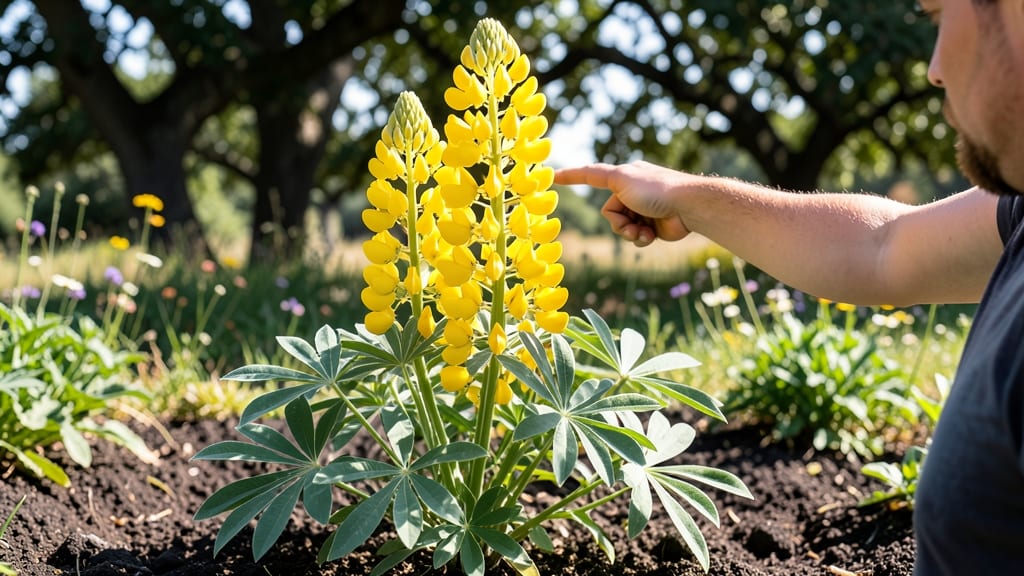
If you're wondering how tall do lupines grow, you're about to discover why these striking 🌸 Lupine plants are such a game-changer for gardeners.
Whether you're working with limited space or aiming for dramatic vertical accents, lupines offer something for every garden design—from delicate dwarf varieties to towering giants that can reach 6 feet tall.
What makes lupines so versatile is their incredible height range, which means you can easily find the perfect variety to fit your space.
Some stay compact at just 6-12 inches, making them ideal for borders or containers, while others grow tall enough to serve as stunning focal points in larger landscapes.
But height isn't the only factor—sunlight, soil quality, and even pruning techniques can influence how much your lupines will grow. With the right conditions, you can encourage your plants to reach their full potential or keep them more manageable for smaller gardens.
Let's dive into the specifics so you can choose the perfect lupine variety and create the garden of your dreams—no matter how much space you have to work with.


Lupine height ranges: dwarf to giant varieties explained
Lupines (Lupinus spp.) are famous for their dramatic vertical presence, but their mature heights can vary wildly depending on the species and variety. Understanding these ranges helps you choose plants that fit your garden's scale—whether you're working with a cozy container garden or a sprawling perennial border.
Most lupines fall into three broad height categories: dwarf (6-12 inches), mid-height (2-3 feet), and tall (4-6 feet).
The smallest lupines, like Lupinus microcarpus or Lupinus nanus, stay compact, making them perfect for rock gardens or edging. Meanwhile, tall varieties such as Lupinus polyphyllus or Lupinus arboreus can reach 6 feet or more, serving as stunning focal points.
Even within a single species, heights can differ—Lupinus perennis, for example, typically grows 1-2 feet but can stretch taller in ideal conditions.
Growth habits also play a role. Many lupines grow in clumps, creating a bushy form, while others, like Lupinus arboreus, develop single upright stems. This affects how they fill space and whether they need support structures to prevent flopping.
For instance, Lupinus polyphyllus often leans heavily and may require staking in windy areas.
Soil quality and sunlight can influence height too. Lupines thrive in well-draining soil with full sun exposure, but poor conditions may stunt growth. In rich, fertile soil, some varieties grow taller than expected, while nutrient-poor soil can limit their height.
Always check the specific variety’s requirements before planting to avoid surprises.
Here’s a quick guide to help you visualize lupine heights in your garden:
| Variety | Height Range | Best For |
|---|---|---|
| Dwarf Lupines (e.g., Lupinus microcarpus) | 6–12 inches | Rock gardens, containers, borders |
| Semi-Dwarf Lupines (e.g., Lupinus perennis) | 1–2 feet | Wildflower meadows, cottage gardens |
| Standard Lupines (e.g., Lupinus polyphyllus) | 3–5 feet | Back of borders, tall perennial beds |
| Giant Lupines (e.g., Lupinus arboreus) | 4–6+ feet | Statement plants, large gardens, focal points |
If you're planning a layered garden design, consider pairing tall lupines with shorter perennials like Echinacea or Rudbeckia to create depth. For small spaces, dwarf varieties add color without overwhelming the area.
Always measure your garden beds before selecting lupines—overestimating height can lead to a crowded or unbalanced look.
Another factor to consider is first-year growth. Many lupines start small in their first year but bolt upward in their second or third year. This delayed growth is normal and often results in taller, more robust plants over time.
Patience pays off if you’re aiming for a dramatic vertical display!
For gardeners in cooler climates, lupines like Lupinus nootkatensis (a native of the Pacific Northwest) thrive and can reach 3-4 feet, making them ideal for USDA Zones 5-8.
In warmer regions, varieties like Lupinus texensis (Texas Bluebonnet) stay shorter but pack a bold punch with their vibrant blooms.
Pro tip: If you’re unsure about a lupine’s mature height, check seed packets or plant tags for expected growth ranges. Some nurseries even provide height comparisons to common garden features, like "taller than a standard trellis".
This makes it easier to visualize how the plant will fit into your space.
Finally, remember that lupines are perennials in many climates, meaning they’ll return year after year. Choosing the right height ensures your garden maintains its desired structure without requiring constant adjustments. With the right variety, lupines can become the stunning backbone of your landscape for decades.
Lupine height ranges: dwarf to giant varieties explained
Lupines (Lupinus spp.) offer an incredible range of heights, from compact ground covers to towering garden statements. Understanding these variations helps you choose the perfect variety for your space, whether you're designing a small container garden or a wildflower meadow.
Most lupines fall into three broad categories: dwarf (6-12 inches), semi-dwarf (1-3 feet), and standard/giant (3-6 feet).
The height of lupines depends on both their species and cultivar. For example, Lupinus nanus stays under 12 inches, making it ideal for rock gardens, while Lupinus polyphyllus can reach 5-6 feet in ideal conditions.
Even within a single species, growth habits can vary—some lupines grow upright, while others develop sprawling, bushy forms.
Here’s how lupine heights break down by category, along with their ideal growing conditions:
| Variety Type | Mature Height | Growth Habit | Best For |
|---|---|---|---|
| Dwarf Lupines | 6–12 inches | Compact, bushy | Rock gardens, borders, containers |
| Semi-Dwarf Lupines | 1–3 feet | Upright, clumping | Mixed borders, cottage gardens |
| Standard/Giant Lupines | 3–6 feet | Tall, sturdy stems | Back of borders, wildflower meadows, cut flowers |
Sunlight plays a crucial role in determining lupine height. While most varieties thrive in full sun (6+ hours daily), some taller lupines may lean or flop without proper support. For example, Lupinus arboreus (tree lupine) can grow 4-5 feet tall but benefits from light staking in windy areas.
Conversely, shorter varieties like Lupinus albifrons (silver lupine) often grow wider than tall, making them perfect for ground cover.
Soil conditions also influence height. Lupines prefer well-draining, slightly acidic soil (pH 6.0-7.0). In poor soil or shade, lupines may grow shorter and leggier, while rich, fertile soil can encourage taller, more robust growth.
Always amend clay or compacted soil with compost or sand to promote healthy root development.
Pruning can also shape lupine height. While many gardeners let lupines self-seed and grow wild for a natural look, selective pruning in early spring can encourage denser, shorter growth. For taller varieties, deadheading spent blooms redirects energy to stronger stems rather than seed production.
Whether you’re planning a small urban garden or a rural wildflower display, lupines offer the perfect height for every space. Start with dwarf varieties for containers, then layer semi-dwarf and standard lupines for depth and drama in larger gardens.