
Trees
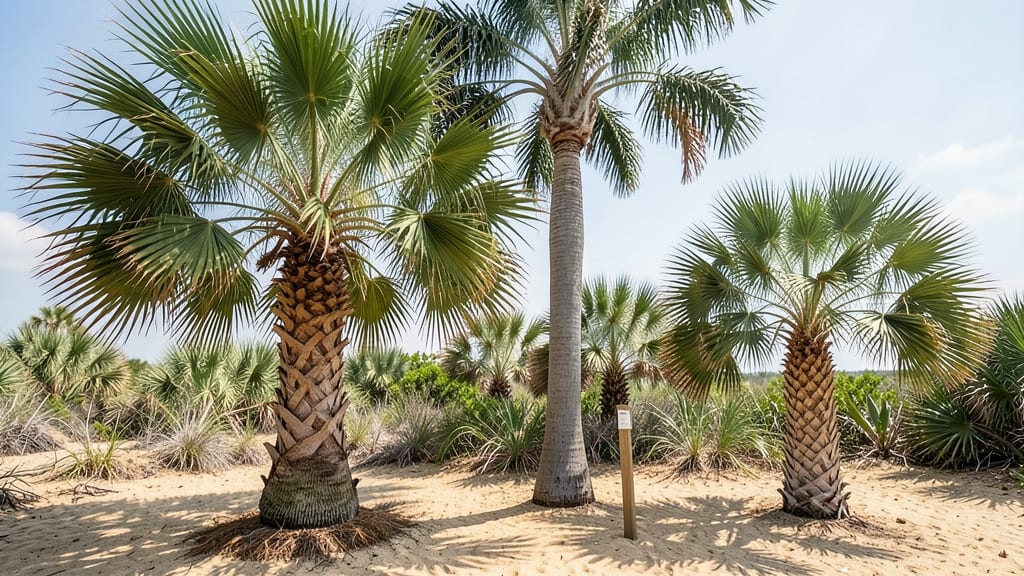
Florida palm tree heights by species: 10 most common varieties compared
Florida’s palm trees aren’t all created equal—some stay compact while others reach sky-high proportions. The mature height of a palm tree often determines whether it’s suitable for your front yard, urban patio, or rural landscape.
For example, the Royal Palm can soar to 100 feet, while the Pygmy Date Palm stays a modest 10-15 feet. Understanding these differences helps you avoid planting a towering palm where it’ll block sunlight or obstruct views.
When selecting palms, consider not just height but also growth rate and canopy spread. A fast-growing palm like the Coconut Palm (up to 80 feet) might be ideal for quick curb appeal, while slower-growing species like the Sabal Palmetto (up to 50 feet) offer long-term stability.
Florida’s USDA Zones 9b-11 support a wide variety of palms, but their heights vary dramatically based on species and growing conditions.
Below is a comparison of 10 common Florida palm trees, ranked by mature height, along with their growth habits and ideal planting zones. This guide will help you visualize which palms fit your space and aesthetic goals.
| Palm Species | Mature Height (ft) | Canopy Spread (ft) | Growth Rate | Best For |
|---|---|---|---|---|
| Royal Palm | 80-100 | 15-20 | Slow to Moderate | Large estates, parks |
| Coconut Palm | 60-80 | 12-15 | Moderate | Beaches, tropical landscapes |
| Sabal Palmetto | 30-50 | 10-15 | Slow | Native landscapes, windbreaks |
| Pindo Palm | 20-30 | 10-12 | Moderate | Urban yards, small spaces |
| Windmill Palm | 15-25 | 8-12 | Slow | Drought-prone areas, xeric gardens |
| Pygmy Date Palm | 8-15 | 6-8 | Slow | Containers, patios, small gardens |
| California Fan Palm | 30-50 | 10-15 | Slow | Mediterranean-style gardens |
| Mexican Fan Palm | 20-30 | 10-12 | Moderate | Residential yards, urban landscapes |
| Saw Palmetto | 10-20 | 5-8 | Very Slow | Native woodlands, wildlife habitats |
| Chinese Fan Palm | 15-25 | 8-10 | Slow | Shade-tolerant areas, mixed borders |
Notice how the Royal Palm and Coconut Palm dominate the height chart, making them perfect for large properties or coastal landscapes. In contrast, the
How to choose the right palm tree height for your Florida landscape
Selecting the perfect palm tree for your Florida yard isn’t just about aesthetics—it’s about long-term compatibility with your space. The mature height of a palm determines whether it’ll fit snugly in your front yard or tower over your roof.
For example, a Royal Palm can reach 60-80 feet, while a Pygmy Date Palm stays under 10 feet. Your choice depends on yard size, HOA rules, and even power line clearance.
Start by measuring your available space. If you have a small urban lot, dwarf varieties like the Chinese Fan Palm (15-20 feet) or Mediterranean Dwarf Palm (8-12 feet) are ideal.
For larger properties, tall palms like the Coconut Palm (60-100 feet) or Sabal Palm (30-50 feet) create dramatic focal points. Always check local regulations—some neighborhoods restrict palm heights to avoid power line conflicts.
🌴 Key Factors for Palm Tree Selection
- 📏 Yard Size: Measure height and spread—taller palms need 15+ feet of clearance.
- 🏡 HOA Rules: Check height limits (e.g., under 30 feet in many suburban areas).
- ☀️ Sunlight: Full-sun lovers (like Royal Palms) need 6+ hours daily.
- 💧 Water Access: Drought-tolerant palms (e.g., Windmill Palm) thrive in low-water zones.
- 🌡️ Climate Zone: North Florida’s cooler winters favor cold-hardy palms (e.g., Needle Palm).
- 🌿 Landscaping Style: Tropical vibes? Go for Coconut Palms. Rustic charm? Try Sabal Palms.
Don’t overlook growth rate—some palms like the California Fan Palm grow 2-3 feet per year, while others, like the Majesty Palm, take 10+ years to reach maturity. If you want quick results, prioritize fast-growing species for instant curb appeal.
For long-term investments, slower growers offer decades of low-maintenance beauty. Always plant palms 8-15 feet apart to allow airflow and prevent disease.
Pro tip: Test your soil’s drainage before planting. Palm trees hate soggy roots, so amend clay soil with compost or sand to improve aeration. Mulch around the base with organic matter to retain moisture and regulate temperature.
Avoid over-fertilizing—palms prefer balanced nutrients (e.g., 8-2-12 NPK ratio) applied every 3-4 months during growing seasons.
For urban gardens, consider container-grown palms. Dwarf varieties like the Pygmy Date Palm or Bismarck Palm (10-15 feet) thrive in large pots, making them perfect for patios or balconies.
Just ensure the container has drainage holes and use a lightweight potting mix. In ground, stake young palms to prevent wind damage until their root systems establish.
Finally, think about long-term maintenance. Taller palms may require professional trimming every 2-3 years to remove dead fronds and prevent pest infestations. Smaller palms need less upkeep but still benefit from regular pruning to encourage healthy growth.
By matching your palm’s mature height to your space and lifestyle, you’ll enjoy a low-stress, high-impact landscape for years to come. 🌴