
Trees
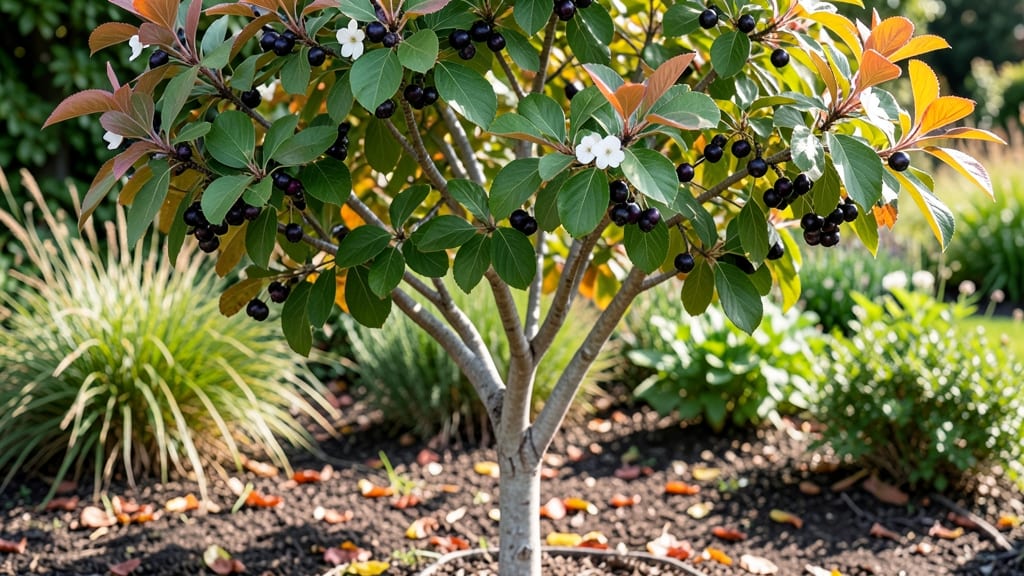
If you're wondering how tall do serviceberry trees grow, you're not alone—this is the first question I asked before planting mine in my 6a zone. These stunning 🌳 trees, also called Juneberries, can reach anywhere from 15 to 30 feet at maturity, depending on the variety and growing conditions.
What makes serviceberry trees so appealing is their versatility—they thrive in small gardens or larger landscapes, offering year-round interest with spring blooms, summer berries, and fiery fall foliage. But before you commit to planting, knowing the mature height helps you plan spacing and avoid future pruning headaches.
In this guide, I’ll break down the height ranges for popular varieties like Amelanchier lamarckii and A. canadensis, plus tips for controlling growth if you prefer a more compact look. Whether you’re designing a pollinator-friendly yard or just love low-maintenance trees, this is your go-to resource.
Ready to discover how to maximize your serviceberry’s beauty while keeping it at your ideal height? Let’s dive into the details so you can plant with confidence.


Serviceberry tree height by mature variety: what to expect
Serviceberry trees (Amelanchier spp.) are prized for their ornamental value and wildlife benefits, but their mature height varies dramatically by variety. Understanding these differences helps you choose the perfect tree for your landscape—whether you need a dwarf accent plant or a statement specimen.
Most serviceberries reach maturity in 10–15 years, with growth rates of 1–2 feet per year under ideal conditions.
From compact cultivars like Amelanchier alnifolia 'Regent' (a dwarf weeping type) to towering standard varieties like Amelanchier lamarckii (up to 30 feet), the range is wide. Even within species, rootstock and growing conditions can influence final height by 20–30%.
For example, a semi-dwarf serviceberry might stay under 15 feet in poor soil but stretch toward 20 feet with rich, well-drained earth and full sun.
Here’s how the most popular varieties compare in terms of height, spread, and growth habits—critical details for spacing and pruning plans:
| Variety | Mature Height | Spread | Growth Rate | Best For |
|---|---|---|---|---|
| Amelanchier lamarckii (Standard) | 20–30 ft | 15–20 ft | 1–2 ft/year | Large yards, specimen planting |
| Amelanchier canadensis (Allegheny) | 15–25 ft | 12–18 ft | 1 ft/year | Wildlife gardens, native landscapes |
| Amelanchier alnifolia 'Regent' (Dwarf Weeping) | 8–12 ft | 6–10 ft | 6–12 in/year | Small spaces, containers, patios |
| Amelanchier laevis (Allegheny x Smooth) | 12–18 ft | 10–15 ft | 8–12 in/year | Medium yards, hedgerows |
| Amelanchier arborea (Downy) | 15–20 ft | 12–16 ft | 1 ft/year | Native plantings, wildlife corridors |
If you’re planting near power lines or in a tight urban yard, prioritize dwarf or semi-dwarf varieties like Regent or Amelanchier laevis. For maximum shade and wildlife value, standard types like lamarckii excel—but be prepared for regular pruning to manage their sprawling canopies.
Pro tip: Measure your space before planting, leaving at least 10–15 feet of clearance for standard varieties to prevent future crowding.
Serviceberries also offer seasonal height advantages: their spring blooms and fall foliage create vertical interest even in smaller varieties. For example, a 10-foot 'Regent' can still frame a patio with dramatic weeping branches and edible berries for birds.
Pair it with low-growing perennials like hostas or heucheras to highlight its multi-layered structure.
One common misconception is that all serviceberries grow equally tall—but rootstock choice plays a huge role. Understocked dwarf varieties (grafted onto semi-dwarf rootstock) can stay 30–50% shorter than their standard counterparts.
Always check the nursery label for graft union details if height control is a priority. For instance, Amelanchier lamarckii on dwarfing rootstock might max out at 15 feet instead of 25 feet.
For fastest height gain, focus on soil quality and
Serviceberry tree height by mature variety: what to expect
Serviceberry trees (Amelanchier spp.) are prized for their stunning spring blooms, edible berries, and brilliant fall foliage—but their mature height varies dramatically by variety. Understanding these differences helps you choose the perfect tree for your landscape, whether you need a compact accent tree or a statement specimen.
Most serviceberries reach maturity in 10-15 years, so planning ahead ensures your tree thrives without overpowering your space.
From dwarf varieties that top out at 8 feet to towering standard types reaching 30 feet, each serviceberry cultivar offers unique proportions.
For example, Amelanchier lamarckii (also called Juneberry) typically grows 15-25 feet tall, making it ideal for medium-sized yards, while Amelanchier canadensis can stretch 20-30 feet, better suited for spacious landscapes or as a focal point near patios.
| Variety | Mature Height | Spread | Growth Rate | Best For |
|---|---|---|---|---|
| Amelanchier alnifolia 'Regent' | 8–12 ft | 6–10 ft | Slow to moderate | Small yards, containers, urban landscapes |
| Amelanchier lamarckii | 15–25 ft | 15–20 ft | Moderate | Medium yards, wildlife gardens, mixed borders |
| Amelanchier canadensis | 20–30 ft | 15–25 ft | Moderate to fast | Large properties, focal points, woodland edges |
| Amelanchier x grandiflora | 12–18 ft | 10–15 ft | Moderate | Small to medium yards, pollinator gardens |
| Amelanchier arborea (Downy Serviceberry) | 25–35 ft | 20–30 ft | Fast | Wildlife habitats, naturalized areas, large estates |
If you're working with limited space, dwarf varieties like 'Regent' or 'Smoky' (which maxes out at 10 feet) are excellent choices. These compact trees still deliver abundant blooms and berries while fitting neatly into gardens, patios, or even large containers.
For a balanced mid-sized option, Amelanchier lamarckii strikes the perfect balance between height and spread, thriving in USDA Zones 3-8 with minimal fuss.
Pro tip: Always check the nursery tag for grafted varieties, as some "dwarf" serviceberries may revert to their standard-sized rootstock over time. Planting too close to structures or power lines?
Opt for a weeping cultivar like 'Obelisk', which grows 12-15 feet tall but only 6-8 feet wide, creating a stunning vertical accent without encroaching on walkways.
Serviceberries also grow at different rates based on their environment. In optimal conditions (full sun, well-drained soil, and consistent moisture), a standard variety can add 1-2 feet per year in its first decade, while dwarf types grow just 6-12 inches annually.
Patience pays off—your tree’s full height potential won’t be reached until it’s 10-15 years old, so plan accordingly if you're planting near hardscapes or other features.
For urban gardeners or those with small yards, consider espalier training to control height while maximizing ornamental value. This technique involves pruning and shaping the tree against a fence or wall, allowing you to grow a 10-foot serviceberry in a space that would otherwise only accommodate a 6-foot shrub.
Just ensure you plant at least 8-10 feet away from buildings or other trees to avoid root competition and give the tree room to develop its natural structure.