
How To
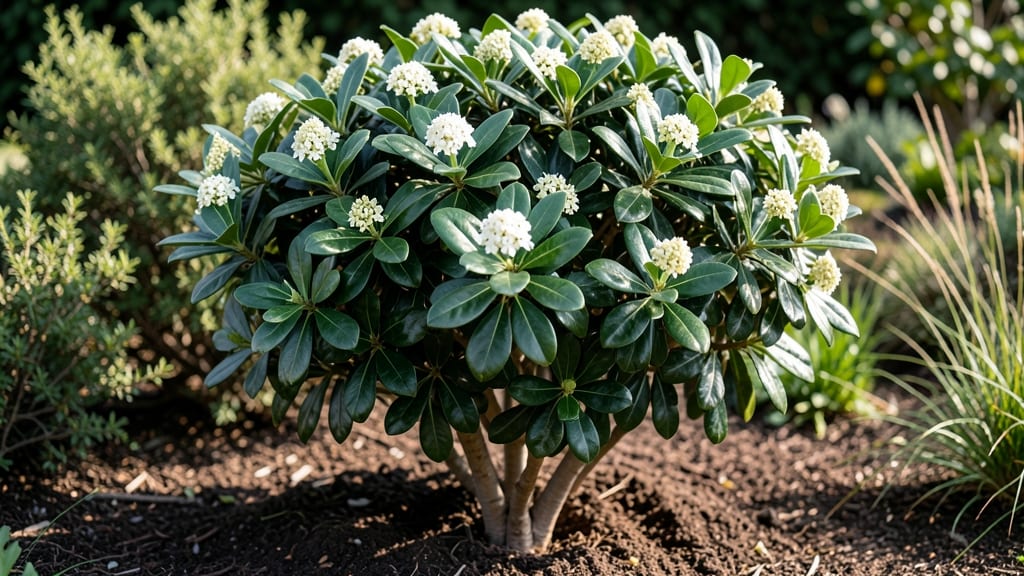
If you’ve ever wondered how tall your Wax Leaf Ligustrum 🌿 could grow—or how to keep it from becoming a towering jungle—you’re not alone. This versatile shrub can reach heights of 10 to 15 feet without intervention, making it a fast-growing favorite for hedges and privacy screens.
But with the right pruning techniques, you can easily trim it down to a manageable 3 to 6 feet, perfect for small gardens or container planting.
The key to controlling its size lies in understanding its natural growth habits and when to prune. In Zone 6a, where spring planting is ideal, this shrub thrives in partial sun and well-draining soil, but its height depends heavily on how and when you prune.
Whether you’re a beginner or an experienced gardener, learning the right timing and methods will save you from dealing with an unruly, overgrown shrub later on.
Let’s break down what you need to know to keep your Wax Leaf Ligustrum at your desired height. From seasonal pruning tips to common mistakes that can send it skyrocketing, you’ll discover how to shape it into a neat, compact plant that fits your space perfectly.
Ready to take control of your garden’s growth?
Whether you’re aiming for a tidy hedge, a privacy screen, or just a well-behaved shrub, the secrets to managing its height are simpler than you think. Let’s get started!


Natural growth height of wax leaf ligustrum: what to expect without pruning
If you’ve planted a wax leaf ligustrum (Ligustrum sinense) and are curious about its natural growth habits, here’s the key detail: without pruning, this shrub can reach an impressive 10 to 15 feet tall and spread 8 to 12 feet wide.
That’s taller than most mailboxes but still shorter than a two-story house—giving it a majestic yet manageable presence in landscapes.
The first year is all about establishing roots, with your shrub growing just 2 to 3 feet tall. By year two, it doubles in height to 4 to 6 feet, and by year three, it’s already 8 to 10 feet tall.
This rapid growth is one of the reasons wax leaf ligustrum is a favorite for quick privacy screens and hedges.
But here’s the catch: climate and soil conditions play a huge role in how tall your ligustrum grows. In warmer climates (USDA Zones 7–10), these shrubs thrive and can hit their maximum height faster.
In cooler zones (like Zone 6), growth slows slightly, but they’ll still reach 10 to 12 feet with proper care.
Well-draining, slightly acidic soil (pH 6.0–7.0) fuels faster growth, while compacted or waterlogged soil can stunt its height. If your soil is heavy clay, amending it with compost will encourage healthier, taller growth over time.
Sunlight also matters: Full sun (6+ hours daily) pushes ligustrum to grow taller, while partial shade (4–6 hours of sun) keeps it more compact. If you’re in a shady spot, expect your shrub to max out around 8 to 10 feet tall instead of 15.
Now, let’s talk about what this means for your garden. If you’re using wax leaf ligustrum as a privacy screen, its natural height works perfectly for blocking neighbors’ views.
But if you’re planting it as a specimen shrub, you’ll likely want to prune it to keep it under 6 to 8 feet for a more refined look.
| Growth Stage | Height Range | Width Range | Ideal Use |
|---|---|---|---|
| Year 1 | 2–3 ft | 1–2 ft | Foundation planting |
| Year 2 | 4–6 ft | 3–4 ft | Low hedge |
| Year 3+ (Unpruned) | 10–15 ft | 8–12 ft | Privacy screen |
| Pruned Regularly | 3–8 ft | 4–6 ft | Hedge or topiary |
🌿 Key Takeaway: Without pruning, wax leaf ligustrum grows 10–15 ft tall, but pruning can shrink it to 3–8 ft for hedges.
Comparing wax leaf ligustrum to other shrubs, it grows taller than boxwood (3–5 ft) but shorter than leucothoe (6–10 ft).
Its rapid growth makes it a standout for quick privacy solutions, but if you prefer slower-growing options, consider dwarf varieties like 'Golden Sunshine', which max out around 4 to 5 feet tall.
For those in urban settings, wax leaf ligustrum’s tolerance for pollution and compacted soil makes it a great choice for city gardens. Just be mindful of its mature size—plant it at least 6 feet away from structures to avoid overcrowding roots and limiting growth.
If you’re planting multiple ligustrum shrubs for a hedge row, space them 4 to 6 feet apart to allow for their natural spread. Over time, they’ll fill in beautifully, creating a lush, green barrier that’s both functional and attractive.
Remember, the healthier the soil, the faster and taller your ligustrum will grow. A simple soil test can reveal if your garden needs more organic matter or nutrients to support its ambitious growth plans.
Now that you know what to expect naturally, let’s talk about how to control its height with pruning—coming up next in our step-by-step guide! ✂️
Natural growth height of wax leaf ligustrum: what to expect without pruning
When left unpruned, your wax leaf ligustrum (Ligustrum sinense) can grow into a towering shrub reaching heights of 10–15 feet with a spread of 8–12 feet.
This rapid growth makes it a popular choice for privacy screens or natural fences, but it also means you’ll need to plan for its mature size if you’re planting near structures or walkways.
The natural growth rate is impressive—expect 2–3 feet of new growth per year in ideal conditions. By year three, your shrub could already be 8–10 feet tall, so early planning is key.
Without intervention, these shrubs can quickly outgrow their intended space, blocking sunlight from other plants or overwhelming smaller garden areas.
Several factors influence how tall your ligustrum grows, including climate, soil quality, and sunlight exposure. In USDA Zones 7–9, where wax leaf ligustrum thrives, warm temperatures and well-draining soil encourage faster growth.
Meanwhile, cooler climates or compacted soil can slow its vertical expansion, keeping it slightly shorter but often less dense.
If you’re planting for privacy or windbreaks, the natural height is an advantage. However, if you prefer a manicured look or limited space, regular pruning is essential. Even a single annual pruning can reduce its height by 30–50%, making it far more manageable for hedges or foundation plantings.
| Growth Stage | Height Range | Key Factors |
|---|---|---|
| Year 1 | 2–3 ft | Establishment phase |
| Year 2 | 4–6 ft | Rapid vertical growth |
| Year 3+ | 8–15 ft | Mature height without pruning |
| With Pruning | 3–8 ft | Controlled height for hedges |
For gardeners in urban or suburban settings, the natural height can be a double-edged sword. While it excels as a privacy hedge, its size can also make it difficult to maintain without heavy pruning.
If you’re planting near sidewalks or driveways, consider spacing multiple shrubs 8–10 feet apart to allow for their mature spread and avoid overcrowding.
Even if you don’t plan to prune, understanding its growth potential helps you choose the right location. For example, planting near a fence or wall can help contain its spread naturally, while a sunny, open area will encourage faster—and taller—growth.
Always check local regulations, as some areas restrict tall shrubs near property lines.