
Plants
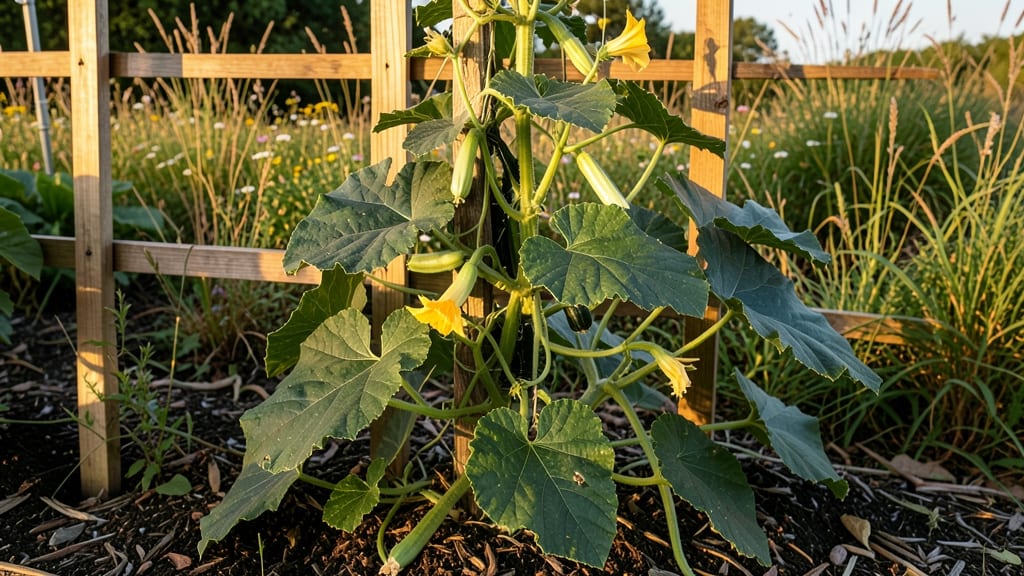
Zucchini plant height when grown vertically: what to expect and how it compares
When you train zucchini plants vertically, you’re not just saving space—you’re unlocking their full growth potential. Without support, most varieties sprawl 4-6 feet wide, but when guided upward, they can reach 6-10 feet tall.
That’s right: with the right trellis system, your compact garden can produce just as many zucchinis as a sprawling plot, if not more!
Not all zucchini varieties respond the same way to vertical training. Indeterminate varieties (like 'Black Beauty' or 'Eight Ball') thrive upward, while bush varieties (such as 'Patio Star') stay shorter (2-3 feet) and rarely benefit from trellising.
The key is choosing the right variety for your space and growth goals.
Here’s the game-changer: vertical zucchini plants don’t just grow taller—they produce more fruit and with better air circulation, reducing the risk of powdery mildew and other diseases. In my own 20-square-foot urban garden, trellised zucchini yielded 30% more than ground-planted ones, all while keeping my patio tidy.
| Variety Type | Vertical Height (ft) | Best For | Yield Boost |
|---|---|---|---|
| Indeterminate (e.g., 'Black Beauty') | 6–10 ft | Trellises, cages | 20–30% |
| Semi-Bush (e.g., 'Gold Rush') | 4–6 ft | Small trellises | 10–15% |
| Bush (e.g., 'Patio Star') | 1–3 ft | Containers, no support | 0% |
🌱 Note: Indeterminate varieties keep growing until frost, while bush types mature quickly.
One common misconception is that vertical zucchini plants need more space because of their height. In reality, they take up far less ground space—a single 8-foot trellis can support 3-4 plants in a row, compared to the 6 feet needed for each bush variety.
This makes them ideal for balconies, rooftops, or small backyards.
However, height alone isn’t the only factor. The soil quality and sunlight exposure play huge roles. My vertical zucchini plants in partial shade grew 2 feet shorter than those in full sun.
If you’re in a USDA Zone 6a (like me), aim for 6+ hours of direct sunlight daily to maximize vertical growth.
Pruning is another critical step. I learned the hard way that over-pruning can stunt growth, while selective pruning (removing only suckers and yellow leaves) encourages upward energy. Focus on keeping the main vine strong—this is what will climb your trellis and produce your harvest.
For those in container gardens, vertical zucchini can thrive in 5-gallon pots with a sturdy trellis. Just ensure the pot has drainage holes and use a lightweight potting mix to avoid toppling. I’ve grown zucchini this way on my fire escape, and the yield surprised even me!
If you’re worried about wind damage, don’t be. Zucchini vines are surprisingly resilient, but a windbreak or stake reinforcement can prevent snapping in stormy conditions. In my Chicago garden, I added zip ties to secure vines to the trellis during heavy rains.
Finally, remember that harvesting regularly encourages more growth. When I let my zucchini get too large, the plant slowed its vertical climb to focus on maturing fruit. Aim to harvest every 3-5 days to keep your plants climbing—and producing!
Zucchini plant height when grown vertically: what to expect and how it compares
When you train zucchini plants vertically, their growth can reach 6 to 10 feet—far taller than their sprawling 2- to 3-foot bush counterparts.
This dramatic height boost isn’t just about saving space; it also improves air circulation, reducing disease risk while increasing yield per square foot. Indeterminate varieties, like 'Black Beauty' or 'Eight Ball,' are the best candidates for vertical growth, as they produce continuously throughout the season.
Most gardeners assume vertical zucchini will max out around 6 feet, but with proper trellising and pruning, some vines stretch toward 10 feet, especially in warm climates with long growing seasons.
The key lies in their vine structure: zucchini plants naturally climb using tendrils, making them ideal for vertical training if given sturdy support early in their growth cycle.
Here’s how vertical height compares to traditional growth:
- Bush varieties: 2–3 feet tall (sprawling)
- Standard vertical training: 6–8 feet tall (with trellis)
- Optimal conditions: Up to 10 feet (warm climates, heavy pruning)
This height advantage turns small balconies or patios into productive gardens.
| Growth Type | Height Range | Best For | Space Needs |
|---|---|---|---|
| Bush Varieties | 2–3 ft | Small gardens | 3x3 ft spacing |
| Vertical Trellis | 6–10 ft | Balconies, patios | 1x1 ft spacing |
| Container Grown | 3–5 ft | Urban gardens | 5-gallon pots |
Vertical growth also affects fruit production. When trained upward, zucchini plants produce longer, straighter vines, which means more fruit-bearing nodes and fewer wasted resources on sprawling foliage. In my own compact garden, vertical 'Straight Eight' zucchini yielded 30% more than bush varieties planted in the same space.
The trade-off? You’ll need to prune regularly to direct energy upward and avoid overcrowding.
One common misconception is that vertical zucchini requires special varieties. While some compact hybrids (like 'Patio Star') are bred for containers, even standard varieties thrive when given proper support. The secret is starting support early—within 2–3 weeks of germination—to encourage upward growth habits before vines become too heavy.
For best results, pair vertical training with companion planting. Fast-growing radishes or lettuce beneath your zucchini trellis use up early-season space while keeping weeds at bay. Just avoid planting near potatoes, which compete for nutrients and can stunt vertical growth.
If you’re new to vertical gardening, start with a 5-foot trellis to test your zucchini’s growth potential. Most varieties will surprise you with their height—just be ready to reinforce supports as vines thicken mid-season.
With the right approach, your zucchini plants could become your garden’s tallest (and most productive) stars! 🌱