
How To
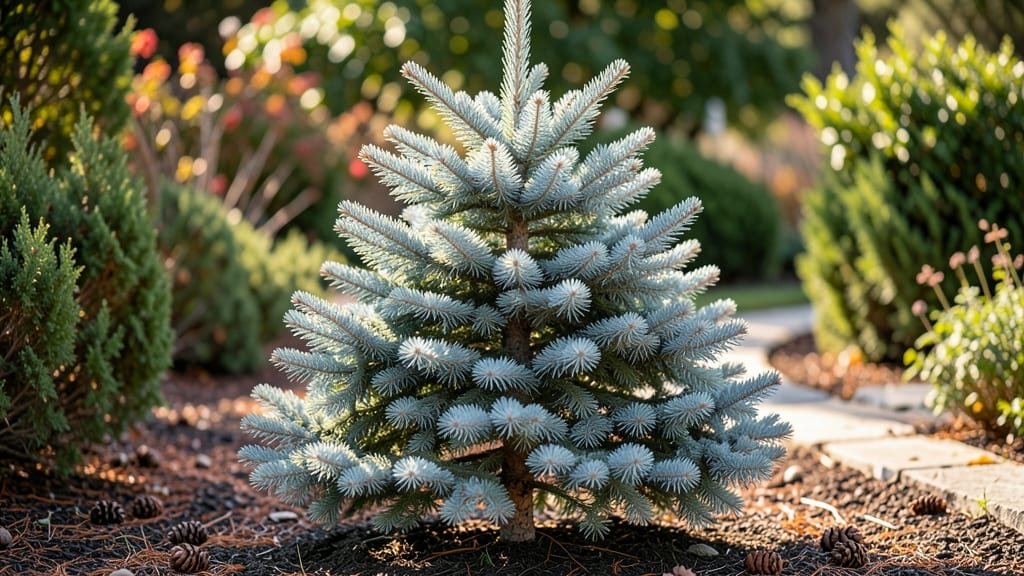
If you're wondering how tall does a blue spruce grow, the answer might surprise you—these stunning evergreens can range from a compact 8 feet to towering 60 feet, depending on the variety you choose.
Whether you're dreaming of a cozy backyard focal point or a grand landscape statement, knowing the mature height of a blue spruce 🌲 is key to planning your outdoor space wisely.
The beauty of blue spruce lies in their diversity—some varieties stay small enough for tight spaces, while others reach heights that make them a true centerpiece.
For example, the dwarf 'Glauca Globosa' stays under 10 feet, perfect for small yards, while the standard 'Glauca' can soar to 60 feet over time. This variety means you can tailor your choice to fit your property perfectly.
But height isn't the only factor—growth rate and environmental conditions play a huge role in how quickly your blue spruce reaches maturity. In ideal conditions (like full sun and well-drained soil), these trees grow about 1-2 feet per year when young, but that slows as they age.
Understanding these factors helps you predict how long it'll take for your tree to reach its full potential.
Ready to make the right choice for your space? We'll break down the exact height ranges for popular varieties, growth tips, and even how to manage their size if needed. Let's get started!


Blue spruce mature height by variety: from dwarf to giant trees
If you're planning to add a blue spruce to your landscape, knowing its mature height is crucial. These evergreen trees come in stunning blue-green hues and vary dramatically in size—from compact dwarf varieties perfect for small yards to towering standard trees that dominate large estates.
The Picea pungens 'Glauca' family offers options for every space, and choosing the right variety ensures your design vision comes to life without overpowering your property.
Most blue spruce varieties thrive in USDA zones 3-7, making them adaptable across much of the U.S. Their mature heights range from just 5 feet for dwarf types to an impressive 60 feet for standard varieties.
Below, I’ve broken down the most popular types so you can select the perfect fit for your yard’s scale and style.
🌲
| Variety | Mature Height | Width | Growth Rate | Best For |
|---|---|---|---|---|
| Glauca Globosa | 8–12 ft | 6–10 ft | Slow | Small yards, containers |
| Glauca Prostrata | 3–5 ft | 8–12 ft | Very slow | Ground cover, slopes |
| Glauca Pendula | 10–15 ft | 6–10 ft | Moderate | Weeping effect, focal points |
| Glauca Conica | 12–20 ft | 8–12 ft | Moderate | Medium yards, privacy screens |
| Glauca Montana | 30–40 ft | 15–20 ft | Fast | Large landscapes, windbreaks |
| Glauca 'Fat Albert' | 20–25 ft | 15–20 ft | Moderate | Specimen trees, focal points |
| Glauca 'Hoopsii' | 40–50 ft | 15–20 ft | Fast | Large properties, privacy |
| Standard Blue Spruce | 50–60 ft | 20–30 ft | Fast | Mature gardens, estates |
The Glauca Globosa, often called the "baby blue" spruce, is my top recommendation for small spaces. Its globular shape and slow growth make it ideal for containers or as a centerpiece in a front-yard garden.
On the other hand, the standard blue spruce can reach heights comparable to a two-story house, so it’s best suited for rural properties or as a windbreak along property lines.
For a balanced look,
Blue spruce mature height by variety: from dwarf to giant trees
Blue spruce trees (Picea pungens 'Glauca') are iconic evergreens that come in stunning blue-green hues, but their mature heights vary dramatically by variety. Whether you're dreaming of a towering landmark tree or a compact yard accent, choosing the right type is key.
Some varieties stay under 10 feet tall, while others reach 60 feet—so let’s break down your options!
For small spaces, dwarf varieties like 'Glauca Globosa' or 'Fat Albert' are perfect, topping out at just 8–12 feet. These are ideal for container gardening or foundation plantings where space is limited.
On the other end of the spectrum, the standard blue spruce can soar to 30–60 feet, making it a statement piece for large landscapes or parks.
🌲 🌲 Blue Spruce Height Guide by Variety 🌲 🌲
| Variety | Mature Height | Growth Habit | Best For |
|---|---|---|---|
| Glauca Globosa | 8–12 ft | Dwarf, rounded | Containers, small yards |
| Fat Albert | 10–15 ft | Dwarf, globe-shaped | Foundation plants, accents |
| Glauca Prostrata | 3–5 ft (spreading) | Prostrate, ground cover | Slopes, rock gardens |
| Glauca Pendula | 10–20 ft (weeping) | Weeping, graceful | Specimen trees, focal points |
| Standard Blue Spruce | 30–60 ft | Tall, pyramidal | Large yards, parks |
If you’re planning a privacy screen, semi-dwarf varieties like 'Glauca Compacta' (12–25 ft) strike a balance between height and manageability. These grow fast enough to create a living wall in 5–10 years but won’t overwhelm smaller properties.
For urban gardens or balconies, even the prostrate types like 'Glauca Prostrata' add texture and color without taking up vertical space.
Pro tip: Always check the nursery tag for the exact variety—some labels use common names that can be misleading. For example, a "blue spruce" might refer to 'Glauca', 'Concolor', or another cultivar with different height expectations. When in doubt, ask for the botanical name to avoid surprises!
🌿 Whether you’re aiming for a miniature masterpiece or a sky-scraping evergreen, blue spruce varieties offer something for every space. Just remember: soil drainage and sunlight exposure play huge roles in how well your tree thrives—more on that in the next section! 🌳