
How To
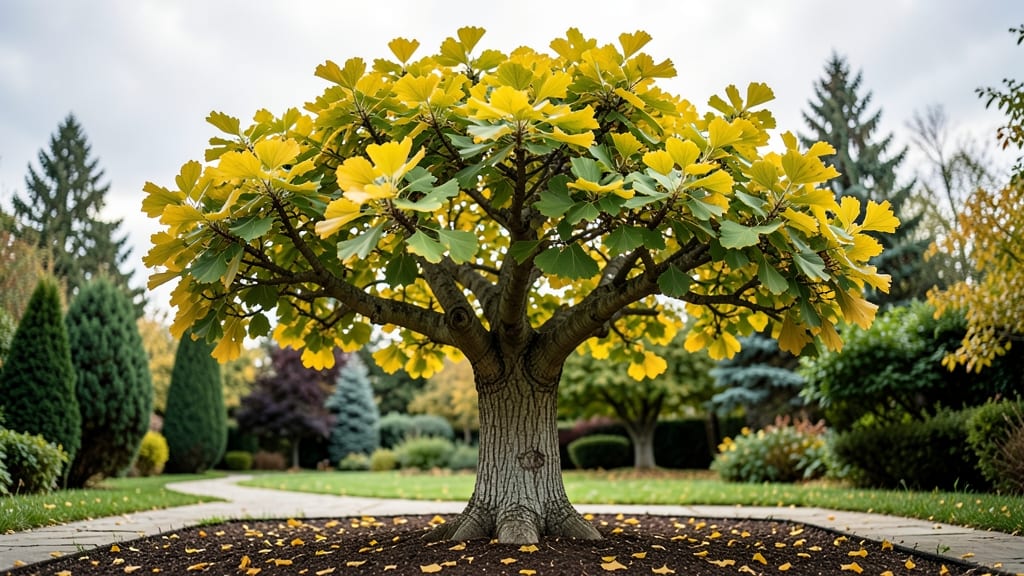
Wondering how tall does a ginkgo tree grow before it becomes that iconic, towering presence in your landscape? These ancient trees can reach 60 to 100 feet at maturity, making them a statement piece—but their size depends on variety, care, and where you live.
The Ginkgo Tree 🌳 isn’t just one-size-fits-all. Male varieties like 'Autumn Gold' often stay more compact, while female trees (with their famous smelly fruit) can grow even taller. In urban areas, dwarf varieties like 'Fastigiata' max out around 25 to 40 feet, perfect for smaller yards.
But if you’re planting one for shade or a bold focal point, expect a 3-story giant in just a few decades.
Your location plays a big role too. In USDA Zone 6a, where spring planting is ideal, ginkgos thrive with minimal fuss—just full sun and well-drained soil. Pruning young trees can shape their growth, but even neglected ones will reach their natural height.
The key? Choosing the right variety for your space and patience level.
Ready to add a living piece of history to your garden? I’ll break down how to pick the perfect ginkgo for your needs—whether you want a low-maintenance shade tree or a compact urban beauty. Let’s get growing!


Ginkgo tree height by variety: from dwarf to giant specimens
The ginkgo tree (Ginkgo biloba) is one of nature's most fascinating specimens, with mature heights ranging from 15 feet to an impressive 100 feet, depending on the variety.
If you're planning your garden layout or urban landscape, knowing these differences can help you choose the perfect ginkgo for your space. Some varieties stay compact, while others reach towering heights that rival skyscrapers.
For example, the Autumn Gold variety typically matures between 30-50 feet, making it ideal for medium-sized yards. On the other hand, the standard ginkgo can easily surpass 70 feet, dominating large properties or city parks.
The choice you make will depend on your available space and long-term vision for your outdoor area.
Here’s a quick comparison to help you visualize the differences. Understanding these variations ensures you select a ginkgo that aligns with your garden’s scale and aesthetic goals.
| Variety | Mature Height (ft) | Growth Rate (ft/year) | Best For |
|---|---|---|---|
| Autumn Gold | 30-50 | 1-2 | Medium yards, urban landscapes |
| Fastigiata | 40-60 | 1-1.5 | Narrow spaces, hedges |
| Mariken | 15-25 | 0.5-1 | Small gardens, containers |
| Standard Ginkgo | 60-100 | 2-3 | Large estates, parks |
The Fastigiata variety is a standout for those with limited space, as its narrow, columnar shape grows to 40-60 feet but only spreads 10-15 feet wide. This makes it perfect for lining driveways or adding vertical interest to small gardens.
Meanwhile, the Mariken variety is a dwarf ginkgo, ideal for container gardening or small urban patios, reaching just 15-25 feet at maturity.
If you're aiming for a statement piece, the standard ginkgo is unmatched. These giants can reach 100 feet or more, creating a breathtaking canopy that provides shade for decades. Their slow-to-moderate growth rate means they won’t outpace your garden planning overnight, but their long-term impact is undeniable.
When selecting a variety, also consider the growth rate. While some ginkgos grow 2-3 feet per year in optimal conditions, others like Mariken grow more slowly, adding only 0.5-1 foot annually. This difference can significantly impact how quickly your tree fills out its space.
Another key factor is the female vs. male distinction. Female ginkgos produce seeds with a strong odor, while males remain seedless. Both genders grow at similar rates, but the male varieties are often preferred for urban settings due to their cleaner appearance.
For example, the Autumn Gold male variety is a popular choice for city landscapes.
No matter which variety you choose, ginkgo trees are remarkably adaptable. They thrive in urban environments, tolerate pollution, and require minimal care once established. Their drought tolerance and resistance to pests make them a low-maintenance option for both novice and experienced gardeners.
For those with large properties, a standard ginkgo can become a cherished legacy tree, while smaller varieties offer elegance without overwhelming your space. Whether you're planning a backyard retreat or an urban oasis, the ginkgo’s height variations ensure there’s a perfect fit for every garden.
Ready to plant? Learn more about ginkgo tree care and fast-growing shade trees to ensure your new addition thrives for generations. 🌳
How tall does a ginkgo tree grow? Height progression over decades
If you've planted a ginkgo tree, you're likely wondering how quickly it will reach its majestic mature height. Unlike fast-growing trees, ginkgos are slow but steady growers, with their height increasing by about 1 to 2 feet per year under ideal conditions.
What makes this even more fascinating is how their growth patterns change dramatically over decades—from a delicate sapling to a towering monument.
In the first decade, your ginkgo will focus on establishing a strong root system and developing its iconic fan-shaped leaves. By year 10, it’ll typically stand between 10 and 15 feet tall, with a trunk diameter of 4-6 inches.
This early growth phase is when environmental factors like sunlight and soil quality have the most significant impact on how quickly it climbs toward the sky.
Here’s what to expect in terms of height milestones over time, along with the factors that can accelerate or slow its growth:
One of the most exciting aspects of ginkgo growth is how their height can vary dramatically based on their variety. For example, the 'Fastigiata' variety grows narrower and taller, while 'Mariken' stays shorter and bushier.
Even within the same variety, factors like climate, soil drainage, and sunlight exposure can push a tree to grow faster or slower than average.
In urban settings, where space is limited, ginkgos often grow more slowly due to restricted root space and competition for nutrients. However, with proper care—like regular deep watering in the first few years and avoiding over-pruning—you can encourage healthier, faster growth when the tree is young.
The key is patience; a ginkgo’s true beauty unfolds over decades, making every foot of growth a rewarding milestone.
If you're planning your landscape around a ginkgo, consider its long-term height when choosing a location. A 30-foot tree in 20 years might become a 60-foot giant in 50 years, so spacing it at least 30 feet from structures is wise.
For smaller spaces, dwarf varieties like 'Princeton Sentry' (reaching only 15-25 feet) are perfect alternatives.